
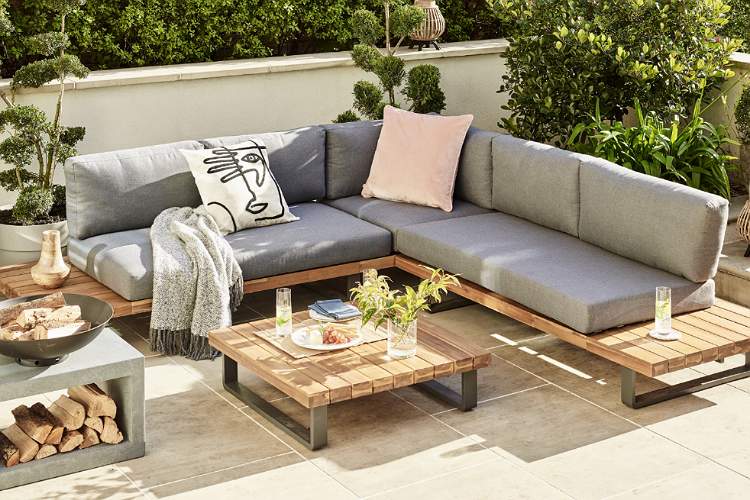
Arranging outdoor furniture can transform any patio or garden into a welcoming space for relaxation or social gatherings. Many people look forward to spending time outdoors, especially in pleasant weather. However, some frequent errors diminish both comfort and beauty. Recognizing these mistakes helps maximize both function and style. Here are five common missteps to avoid when styling outdoor furniture.
Ignoring the Space’s Size and Shape
Selecting pieces that do not suit the available area often leads to discomfort and a cluttered appearance. Oversized tables or bulky loungers may overwhelm a compact patio. Conversely, small chairs and tables seem out of place in a spacious yard. Measuring the space before shopping allows for better choices. Arranging furniture to complement the area’s shape creates a balanced look and promotes easier movement. This careful planning ensures the setting remains inviting and practical for everyone. By choosing to shop Miami outdoor furniture online, residents enjoy factory‑direct pricing and stylish collections tailored to Miami living.
Prioritizing Appearance Over Comfort
Choosing furniture solely based on its appearance can result in an unwelcoming atmosphere. A stylish chair provides little benefit if it is uncomfortable. Shoppers often overlook the importance of considering how seating feels after prolonged use. Materials should feel pleasant against the skin and support good posture. Testing cushions and seats before purchasing avoids future regrets. A visually pleasing area becomes far more enjoyable when comfort is not sacrificed for style.
Overlooking Weather Resistance and Maintenance
Outdoor furniture is exposed to sunlight, rain, and temperature fluctuations. Failing to consider durability often shortens a set’s lifespan. Materials like untreated wood, unprotected metals, or delicate fabrics quickly show wear. Opting for weather-resistant finishes helps furniture retain its appearance longer. Regular cleaning and occasional maintenance further preserve both function and charm. Paying attention to these details saves money and effort in the future.
Neglecting Cohesion in Style and Color
An outdoor area feels disjointed if furniture styles and colors clash. Picking pieces at random may result in a disorganized appearance. Sticking to a cohesive color palette brings harmony to the arrangement. Coordinating cushions, rugs, and tables creates a pulled-together appearance. Even when mixing materials, similar tones or complementary hues maintain unity. Consistency in design choices ensures the space feels intentional and welcoming to visitors.
Forgetting About Functionality and Flexibility
Spaces intended for various uses need adaptable furniture. Rigid layouts or single-purpose items limit possibilities for entertaining or relaxing. Selecting modular seating, stackable chairs, or foldable tables offers flexibility. These options make rearranging simple for different gatherings or occasions. Thoughtful planning keeps the setting practical and enjoyable for all types of activities. Functional pieces enhance both convenience and user satisfaction.
Overdecorating or Understating Accessories
Adding too many accessories can make the area feel crowded and chaotic. On the other hand, too few accents leave the space feeling unfinished. Finding the right balance with rugs, cushions, planters, and lighting brings comfort and style without excess. Each item should serve a purpose, whether for practicality or charm. A few well-chosen elements often achieve greater impact than an abundance of unrelated items.
Failing to Consider Traffic Flow
Crowded arrangements or poorly placed pieces can block movement and create discomfort. Ensuring clear walkways between furniture prevents tripping or awkward squeezing. Arranging seating to promote conversation enhances enjoyment. Allowing enough space between tables and chairs encourages easy access. Thoughtful placement supports both safety and relaxation for everyone who uses the area.
Disregarding Storage Solutions
Many outdoor accessories require protection from the elements when not in use. Lacking storage options leads to unnecessary wear or clutter. Benches with built-in compartments or weatherproof storage boxes keep cushions and throws dry and tidy. Proper storage extends the life of accessories and maintains a neat appearance. Anticipating these needs while planning the layout contributes to lasting satisfaction.
Conclusion
Styling outdoor furniture involves more than picking attractive pieces. Awareness of space, comfort, durability, cohesion, and function ensures a pleasant result. Avoiding common mistakes leads to inviting, practical outdoor settings. Careful planning and thoughtful choices help create a space that remains enjoyable through many seasons. With attention to these details, anyone can craft a stylish and comfortable outdoor retreat.
