
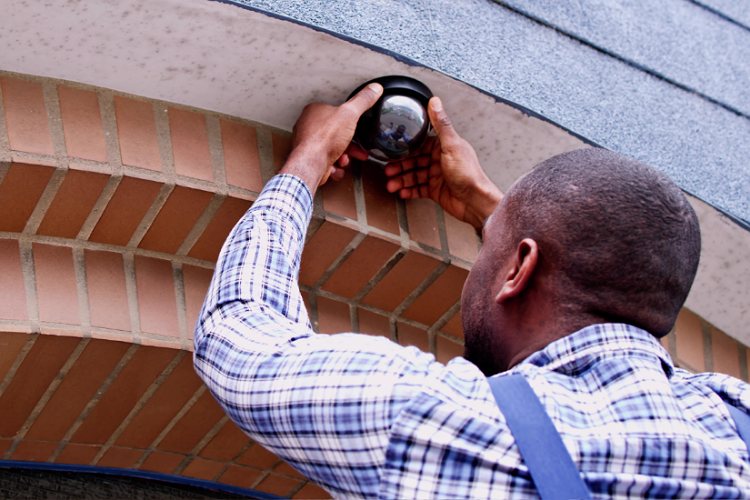
Step into a restaurant kitchen these days and you’ll notice something different. Cameras. Lots of them. Mounted in corners, watching prep stations, covering every angle. Five years ago? Not so much.
What changed? Here’s the thing: health violations started piling up. Employee injuries became harder to manage. Theft? Don’t even get me started on those losses. Restaurant owners finally realized surveillance wasn’t some fancy extra. It became survival equipment. The data backs this up: establishments with solid security setups see dramatic drops in criminal activity compared to places running blind. You simply can’t run a competitive restaurant without this technology anymore.
The Regulatory Push Behind Kitchen Surveillance Systems
Sure, most owners initially worry about sticky-fingered staff. But regulatory pressure? That’s what actually forced everyone’s hand. Federal watchdogs and insurance carriers made the decision pretty simple.
Updated Food Safety Modernization Act Requirements
The FDA isn’t playing around these days. They want documentation of your food handling procedures that goes way beyond those paper checklists everyone used to fake. Surveillance cameras give you visual evidence—hard proof that you’re maintaining proper temperatures and preventing cross-contamination. Several state health departments already accept video records as official compliance documentation when they come knocking.
Remote inspections exploded recently, and guess what? They’re sticking around. Inspectors can pull up your camera feeds without driving across town, which honestly makes life easier for everyone.
Critical Operational Benefits Driving Adoption
Meeting regulations and satisfying insurance requirements matter, obviously. But smart restaurant operators discovered something else. These systems deliver concrete operational wins that show up directly on your P&L statement. We’re talking about management tools, not just security equipment.
Modern security cameras for restaurants have evolved into sophisticated intelligence platforms. They track employee productivity patterns. They monitor ingredient usage. They’ve become central to running tight operations.
Real-Time Food Safety and Quality Assurance
Temperature monitoring has evolved past simple thermometers. AI-powered cameras now detect when your cooler door stays open for fifteen seconds too long. They catch food sitting in the danger zone before you’ve got a contamination problem. The challenges do hotels and restaurants face with operations and security? AI tackles them head-on.
Preventing cross-contamination gets infinitely simpler when you can verify through footage that raw chicken never touched your salad station. The FDA mandates handwashing compliance, and strategically positioned cameras near sinks give you undeniable documentation. This isn’t about hovering over your staff; it’s about protecting customers and your hard-earned reputation.
Inventory Shrinkage and Theft Prevention
Internal theft drains roughly $25 billion from restaurants annually. That number should terrify you. What’s scarier? Most owners have no clue how much they’re hemorrhaging until cameras go up. Strategic camera placement in receiving docks, walk-in coolers, and storage areas creates instant accountability.
A proper business camera setup reveals the truth behind food costs. When your costs suddenly drop 35% post-installation, you know exactly what was happening. People behave differently when they know someone might be watching. Even if you’re not monitoring every minute.
Advanced Technology Making Kitchen Cameras More Valuable
These operational advantages matter enormously, no question. But cutting-edge technology has transformed basic recording into intelligent systems offering insights we couldn’t imagine before. Recording is just the beginning—now we’re analyzing behavior, predicting failures, and stopping problems before they explode.
AI-Powered Analytics and Smart Alerts
Contemporary security camera packages don’t simply capture footage—they analyze and respond. Automated detection spots safety violations instantly, firing off alerts when someone skips critical procedures. AI CCTV catches fire and smoke early enough for preventive action.
Predictive maintenance notifications warn you about equipment trouble before catastrophic breakdowns occur. Temperature anomaly alerts catch dying refrigeration units before you dump thousands in spoiled product. Integration with your POS system matches video with transactions, making cash skimming or unauthorized comps virtually impossible.
Cloud-Based Storage and Remote Access Capabilities
Remember when surveillance meant a closet full of clunky recording machines? Ancient history. Cloud systems let you monitor every station from your smartphone on the beach. Managing five locations becomes manageable when you’re checking them all from one app.
Storage expenses plummeted while capabilities skyrocketed. Most operations maintain 30-90 days of cloud footage, compared to the measly week or two that old DVR boxes handled. Equipment costs dropped, and 4K resolution captures details those grainy analog systems never could.
Addressing Employee Privacy and Workplace Culture Concerns
Once you’ve handled privacy concerns properly and got your team comfortable, you need a strategic installation that maximizes coverage while respecting kitchen realities. You can’t randomly mount cameras and cross your fingers.
Balancing Surveillance with Employee Trust
Transparency counts more than you’d expect. Explain to your staff that cameras protect them from bogus accusations and identify training opportunities—resistance usually melts. Your employee handbook needs crystal-clear camera policies explaining footage usage.
Audio recording is flat-out illegal in 13 states without everyone’s consent, so most restaurants kill audio entirely. Camera-free zones must include bathrooms, changing rooms, and designated break spaces. Fostering a positive surveillance culture demolishes that “Big Brother” vibe.
Legal Requirements for Disclosure
State regulations vary wildly regarding employee notification. Some demand explicit written consent. Others just require visible signage. Check your specific state requirements before drilling anything.
Most places require obvious signs announcing commercial security camera monitoring. New employees should sign acknowledgment documents confirming they understand monitoring policies. Union environments? Address surveillance in collective bargaining—skipping this creates nightmares.
Common Questions About Kitchen Security Cameras
Are security cameras in restaurant kitchens legal?
Absolutely, with appropriate disclosure and audio restrictions. Notify employees, avoid private spaces like restrooms, and comply with state-specific consent and signage requirements.
How long should restaurants keep security camera footage?
Industry standard runs 30-90 days for routine recordings. Footage tied to pending lawsuits or insurance claims? Keep that indefinitely. Most insurance companies recommend a minimum 60-day retention.
What resolution is needed for kitchen security cameras?
Minimum 4MP (2K) for facial recognition, though 8MP (4K) works better for detailed food prep monitoring. You’ll want at least a 15 fps frame rate, preferably 30 fps, with low-light performance rated around 0.01 lux.
Final Thoughts on Kitchen Surveillance
Security camera installations shifted from optional gear to essential infrastructure for contemporary restaurant operations. Regulatory compliance demands it. Theft prevention requires it. Operational efficiency depends on it. Legal protection needs it. Most restaurants hit payback within 12-18 months, with ongoing advantages compounding annually. The question stopped being whether you should install cameras—it became how fast you can implement protection for your business, your team, and your customers while sharpening daily operations.
