
Table of Contents
- Sustainable Design Practices
- Technological Integration
- Human-Centric Urban Planning
- Adaptive Reuse and Renovation
- Case Studies of Innovative Projects
- Challenges and Opportunities
- Conclusion
Architecture firms are leading a wave of change across urban landscapes, harnessing innovation and sustainability to redefine what it means to build and dwell in cities. Today’s architects are not simply designers; they are visionaries, creating functional, future-ready communities that respond to societal challenges and environmental needs. Their expanded role sees them addressing pressing issues such as population density, resource scarcity, and the effects of climate change, all while pursuing aesthetic distinction. Their commitment to progress includes fostering more livable environments, improving energy efficiency, and engaging citizens in the design of their surroundings. Discover how expert modern home design is influencing every aspect of how our cities evolve for generations to come.
By adopting cutting-edge technologies, eco-friendly materials, and human-focused planning, architecture firms are not only shaping skylines but also the very fabric of urban daily life. Whether reimagining old structures or masterminding new developments, these firms stand at the confluence of creativity, technology, and public good. Their approach is interdisciplinary, blending engineering, environmental science, and sociology to create holistic solutions. Through their pioneering work, future cities promise to be greener, smarter, and vastly more connected. Their influence can be seen in our growing cities, where thoughtful design is rapidly becoming the cornerstone of progress and the defining feature of communities striving for excellence.
Sustainable Design Practices
Addressing climate change and curbing emissions are now top priorities for architectural leaders. Firms striving for eco-conscious design increasingly rely on advanced, sustainable materials such as recycled steel and low-carbon concrete. These materials lower the environmental impact of both construction and long-term operations, setting new benchmarks in green building. Many leading projects target certifications such as LEED, BREEAM, or WELL, demonstrating a firm’s measurable commitment to sustainability.
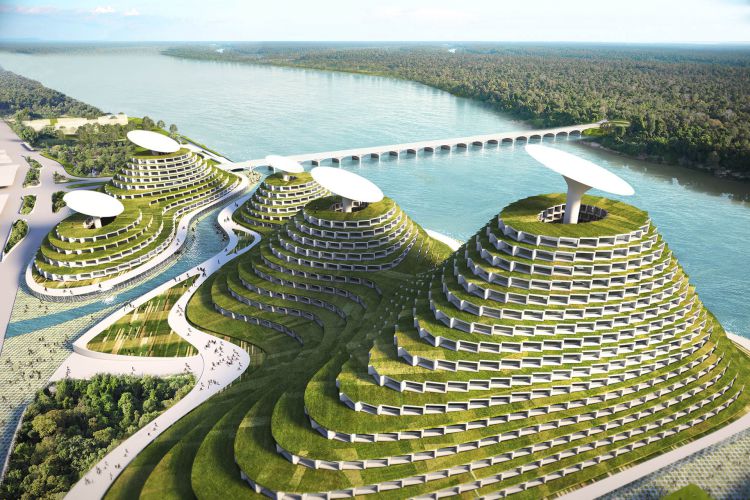
Sustainability doesn’t stop at materials. Contemporary design emphasizes features such as green roofs, urban forests, and solar canopies, which promote biodiversity and foster self-sufficiency within dense urban environments. Green walls and rooftops help reduce stormwater runoff, filter pollutants, and insulate buildings, thereby contributing to the city’s reduction of its ecological footprint. Smart water management systems and passive heating and cooling strategies are also leveraged to reduce consumption. In many cases, these design choices cut long-term energy and maintenance costs for building owners while improving urban air quality and reducing the urban heat island effect. Sustainable transportation options, like improved transit corridors and bike-sharing infrastructure, are also seamlessly integrated into the master plans of forward-thinking firms, exemplifying a holistic, city-wide approach.
The importance of sustainability in architecture goes beyond individual structures. Firms are now focused on shaping neighborhoods, districts, and even entire cities with sustainability in mind. Concepts like the 15-minute city prioritize walkability and proximity to essential needs, reducing reliance on vehicles and directing investments toward local infrastructure. This approach prioritizes mixed-use spaces and public amenities, bolsters social engagement, and promotes environmental stewardship. These ideas have gained international momentum, echoing recommendations from organizations such as The Guardian, which has covered sustainable urban planning, highlighting real-world city transformations.
Technological Integration
Digitization and high-tech solutions are accelerating the pace of urban development. Building Information Modeling (BIM) has revolutionized the design and construction process, enabling virtual collaboration, rapid iteration, and real-time performance analysis. This holistic approach yields more accurate estimates, fewer on-site errors, and enhanced communication across teams. The proliferation of digital twins—virtual models that monitor and predict a building’s ongoing performance—enables maintenance teams and architects to optimize efficiency and occupant comfort proactively, even after construction.
Beyond design, innovative technologies are being embedded into the built environment itself. IoT sensors monitor real-time energy usage, waste management, and even pedestrian movement, informing both city managers and residents. Cities such as Singapore and Barcelona are already demonstrating the transformative power of digitization with their robust smart urban infrastructure. Advanced control systems automatically manage lighting, heating, and security, supporting safer and more resilient communities.
Artificial intelligence (AI) is ushering in new horizons for creativity and efficiency in the field of architecture. From generative design, which explores thousands of options to achieve the optimal layout, to AI-driven simulations testing environmental and social outcomes, the possibilities are virtually endless. Machine learning is also being used to analyze social trends and forecast neighborhood development needs, creating more adaptive and context-specific spaces. The progressive adoption of these tools places architects in a position not only to predict but also to actively shape the dynamics of future cities. According to Architectural Digest’s insights into smart cities, these advances are becoming integral to the industry’s evolution.
Human-Centric Urban Planning
As urban populations mushroom, designing for people—not just structures—has become an imperative. Human-centric planning prioritizes wellness, inclusivity, and community interaction. Features like wide, accessible sidewalks, safe cycling lanes, and welcoming public parks foster social ties, encourage physical activity, and spur local economies. These people-first approaches make public spaces inviting, usable, and safe, bolstering a sense of belonging and connection that enriches city life for everyone.
Access to natural light and air, green playgrounds for children, and gathering places that reflect local culture all contribute to residents’ overall happiness and well-being. Making these amenities accessible to all, regardless of age or ability, is at the heart of modern urbanism. Features such as tactile paving for the visually impaired, ramps for wheelchair access, and multilingual signage help break down barriers and accommodate diversity. Mixed-use developments that combine living, working, and recreational spaces support reduced commute times and encourage immediate community engagement.
Increasingly, architects invite local communities into the conversation, seeking feedback at every phase of development. Participatory design leads to spaces that people actually want to use and helps mitigate potential conflicts before they arise. This open dialogue, often facilitated by workshops and digital platforms, fosters a sense of ownership and pride among residents, ensuring that new developments are not only functional but beloved by those who inhabit them. The ultimate goal is to create inclusive spaces that evolve in tandem with their populations, responding to residents’ changing needs and preferences.
Adaptive Reuse and Renovation
In cities rich with history, adaptive reuse is both an environmental strategy and a nod to cultural heritage. Rather than razing aging but structurally sound buildings, architecture firms often choose to repurpose them for new uses—such as converting factories into lofts or warehouses into museums. This approach enables cities to preserve their unique character and sense of place, while repurposing obsolete infrastructure to serve a new purpose in the modern urban landscape.
This process preserves historical character, reduces construction waste, and extends the life cycle of the urban built environment. Sophisticated renovations can significantly reduce energy and water consumption by utilizing modern insulation, efficient HVAC systems, and innovative building technologies. These interventions typically align with environmental certification schemes, providing not just aesthetic upgrades but quantifiable gains in performance and sustainability.
Adaptive reuse is particularly effective in revitalizing declining neighborhoods. A vacant office block transformed into vibrant homes or retail spaces can spark wider regeneration, attract investment, and preserve cherished urban narratives. These projects reflect a philosophy of stewardship, balancing reverence for history with adaptation for modern relevance, and encouraging cities to evolve without erasing the past.
Case Studies of Innovative Projects
CityWave, Milan: Renewable Energy Leadership
The CityWave project in Milan is a model for integrating clean energy into urban core development. Its striking feature—a sprawling photovoltaic canopy—powers much of the complex, underlining the Italian city’s commitment to green energy. The structure also shades public spaces, reducing cooling needs and creating comfortable gathering spots below. CityWave’s success underscores a practical approach to sustainability, making environmental infrastructure attractive and multifunctional.
160 Water Street, New York City: Office-to-Residential Transformation
Addressing a nationwide need for urban housing, New York City’s conversion of 160 Water Street showcases adaptive reuse at scale. The project shifted a commercial building into over 500 modern apartments, recycling much of the original frame and infrastructure. This solution not only curbs the construction carbon footprint but also revitalizes areas struggling with office space oversupply and enhances neighborhood vibrancy. The approach demonstrates the versatility of adaptive reuse in combating urban challenges.
Vertical Forests, Global Impact
Innovative urban forests, such as Bosco Verticale in Milan, are reshaping city skylines while producing tangible environmental benefits. Covered in living greenery, these skyscrapers absorb CO2, provide shade, and host biodiversity within dense urban environments. Similar projects around the world demonstrate that high-density cities can, in fact, coexist harmoniously with nature, encouraging other cities to adopt biophilic design on a larger scale.
Innovative urban projects like these highlight the transformative potential of forward-thinking design, blending sustainability, functionality, and community well-being. By prioritizing green spaces, efficient transportation, and inclusive public areas, they demonstrate how cities can strike a balance between growth and environmental and social responsibility. As highlighted in authoritative analyses, including reports by the Guardian, these initiatives serve as practical benchmarks for other municipalities seeking to modernize while remaining people-centered. Their success illustrates that thoughtful planning and innovative strategies can foster vibrant, resilient, and livable urban environments. Such projects inspire a global shift toward more creative, more sustainable, and socially conscious city development.
