
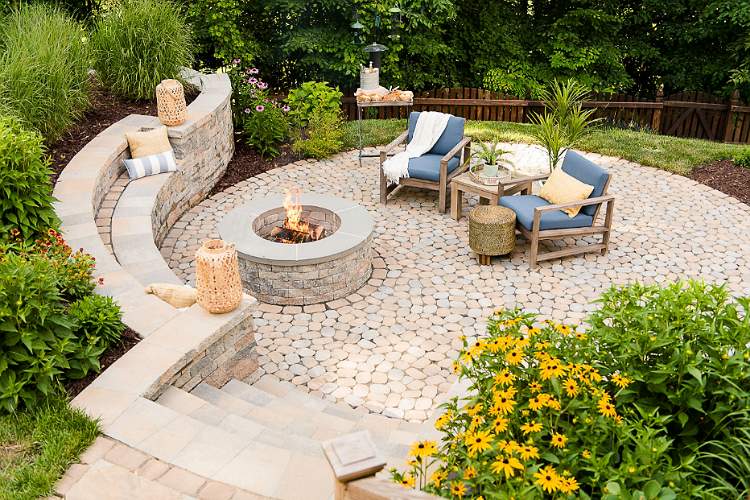
The properly planned hardscape will make a backyard or a garden a neat and an aesthetically pleasing area. The features of sitting spaces, lighting, and the use of water material are conveniently incorporated and do not consume more maintenance. Careful consideration guarantees that the area is practical, pleasant and no-hustle over the years.
Planning and Layout
The planning of the layout is the first step in developing a low-maintenance outdoor area. Take into account the purpose of the area and find the areas where to have fun, eat, or rest. The completely designed layout also allows the flow to be easy and makes the yard look as one piece with the least amount of unused or awkward areas that usually demand additional attention.
Planning also entails choosing appropriate scale/proportion of hardscape elements. Big patios, broad footways and retaining walls should be used to define spaces effectively and minimise the unnecessary planting or edging. A louver wall or a privacy fence panel can also be incorporated to create boundaries in addition to introducing style and structure to the outdoor space.
Choosing Durable Materials
The durability of the materials to be used plays a major role in minimizing the maintenance requirements. Great options would be natural stone, concrete pavers, and composite decking since they are resistant to weathering, fading and are also resistant to heavy usage. These are materials that take a minimum amount of maintenance and result in a sleek, modern appearance.
It must also have complementary materials that match the style of the home and landscape. Simple textures and neutral colors can simplify the process of cleaning and maintenance since it is less obvious when something is dirty or broken. Combining these materials with low maintenance plants or gravel beds will also decrease the amount of time one is engaged in gardening activities.
Integrating Functional Features
The features in a hardscaped area must be functional, and they should not introduce additional issues of maintenance. The purpose and comfort are done through the use of patios, fire pits, built-in seating, and planters to provide a multi-purpose space. Hard surfaces are more convenient to clean and maintain compared to large garden beds or grass patches which are convenient in the long term.
The functionality is also provided by lighting, water features, and outdoor furniture. Self-contained water features and low-voltage lighting do not need much attention and add to the ambiance. These additions enable homeowners to make the space useful to the fullest without the constant upkeep needs.
Minimizing Plant Maintenance
Although hardscaping eliminates the use of large-scale landscaping, the use of plants can be used strategically to make the design mellow. Select species with low-maintenance like ornamental grass, succulents or native shrubs that do not need much attention. Plants planted in groups in containers or raised beds also make it easier to water and prune.
Reducing the maintenance of flower beds or lawns will lessen the mowing, fertilizing and work required to maintain the lawns. Plants are put in a tidy, low-maintenance environment with the addition of gravel or mulch that keeps the area wet and prevents the growth of weeds. Plant choice is well considered to make sure that the space is improved with greenery that does not create excessive work.
Maintenance and Longevity
Even low-maintenance outdoors areas need certain attention to be maintained to be appealing and useful. Sweeping frequently, washing of hard surfaces periodically and checking of other features such as the louver walls or privacy fence panels to check on wear remains a long lasting process. When it is well maintained, minor problems do not turn out to be expensive repairs.
Stone or concrete surfaces are sealed periodically to prevent staining and weather damage whereas pavers are cleaned and rearranged to keep them looking good. The low but regular maintenance will help in keeping the outdoor space as a pleasant place to enjoy and will not diminish its value in the long run.
Enhancing Aesthetic Appeal
Hardscaping gives a chance to express oneself creatively and at the same time maintain low maintenance. The fusion of the texture, colors, and shapes of stones, pavers, and decking provides visual interest without referring much to plants and ornamentation. Strauss designs may be elegant and modern.
As an addition, items like a louver wall, or privacy fence panel can serve as well as be aesthetically pleasing. Such features will provide some isolated spaces to relax or have fun, as well as strengthen the overall theme of the design. The outcome is an integrated outdoor area that is pretty, functional and low maintenance.
Conclusion
Hardscaping an outdoor space makes it a low-maintenance and a beautiful place. Homeowners can have a beautiful yard and not have to work on it all the time by carefully planning the layout, selecting the strong materials, incorporating practical elements, and also reducing the maintenance of the plants. Louver walls and privacy fence panels are some of the features that provide structure, privacy and design worth and overall value of the outdoor environment. Hardscaping is a durable, entertaining area that is appropriately styled, functional, and convenient.
