
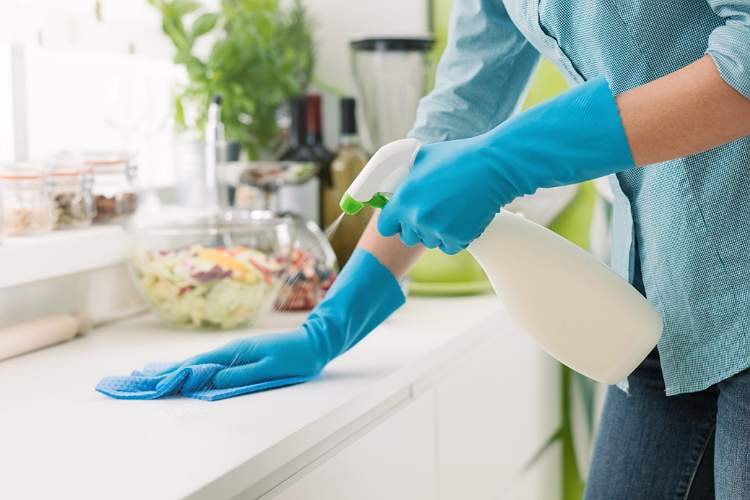
Ever stared at a splatter on the counter and wondered if there’s a smarter fix than scrubbing until your arms ache? You’re not alone.
From accidental coffee rings to the mystery marks kids leave behind, stains test patience in every household.
Before you resign yourself to permanent blotches, explore focused methods so every surface can breathe easy again.
Stain Chemistry 101
Before grabbing random cleaners, spend a minute understanding why stains cling so stubbornly to surfaces; a little chemistry knowledge saves scrubbing time and prevents accidental damage.
- Identify stain families. Classify spills as enzymatic, oxidisable, greasy, or particulate so you can match the correct chemical counter-attack instead of hoping for a miracle.
- Let enzymes handle proteins. Protease, amylase, and lipase detergents slice big biomolecules into water-soluble bits, perfect for blood, grass, dairy, or stubborn sweat rings.
- Oxidise bright pigments. Oxygen bleach (sodium percarbonate) or 3 % hydrogen peroxide fractures colourful chromophores; add TAED below 40 °C for furniture or low-temp laundry jobs.
- Surfactants surround grease. Cationic, anionic, or non-ionic heads keep oily tails caged inside micelles, lifting cooking splatters off counters without endless wiping.
- Builders beat hard water. Zeolites or washing soda tie up calcium and magnesium ions, keeping loosened dirt from gluing itself back onto cleaned surfaces.
Armed with this cheat-sheet, you’ll diagnose stains like a pro chemist and choose products that dissolve, disperse, or discolour messes instead of merely diluting them. For carpet fibres in particular, check these targeted carpet-stain removal techniques.
Common Household Stain Types
The kitchen, bathroom, and playroom each generate signature messes, so mapping typical stains to rooms helps you park the right ammo in the right cleaning caddy.
Food and beverage offenders
Wine, coffee, pasta sauce, and berries deliver tannins, sugars, and natural dyes that stubbornly lodge in porous grout, laminate seams, and upholstery fibres.
Outdoor intruders
Mud, grass, and pollen ride in on shoes and paws; they blend proteins, clay particles, and chlorophyll that set fast when sunlight bakes the moisture away.
Cosmetic culprits
Foundation, sunscreen, and toothpaste smear bathroom counters with oils and titanium-dioxide pigments that bond to mineral-rich water droplets after every rinse.
Artistic accidents
Ink, crayon wax, and acrylic paint transform desks into palettes; suitable solvents dissolve the binders, while surfactant-rich soap eases pigment release without abrasion.
“Gross-stuff” emergencies
Pet accidents, vomit, or diaper mishaps mix proteins, fats, and ammonia; enzyme cleaners neutralise odours while breaking molecular chains for painless blot-and-wipe removal.
Universal Removal Tips
No matter what splatters, quick intervention keeps molecules from sneaking deep into fibres or etching surfaces; follow a consistent triage routine before specialty treatments.
Blot, don’t rub
Press an absorbent towel straight down to lift liquids; rubbing spreads pigment laterally and frays fabrics, doubling your workload and possibly driving stains deeper.
Cold water first
Flush with cool water to halt coagulation or cook-on; hot water prematurely fixes proteins and sugars, making later chemical therapy far less effective.
Work outside in
Dab detergent from the perimeter toward the centre so the stain shrinks instead of blooming outward like a tie-dye experiment gone wrong.
Test hidden spots
Even “safe” cleaners can bleach or dull finishes; spot-test beneath cushions or behind appliances and wait five minutes before committing to a larger area.
Rinse completely
Residual detergent attracts dirt like a magnet; after stain victory, rinse until water runs clear, then dry thoroughly to prevent musty mildew odours from forming.
Baking Soda Magic
The humble box in the fridge moonlights as an all-purpose scrub, deodoriser, and pH buffer; leverage its versatility before purchasing pricey specialty powders.
- Lift acidic spills. Sprinkle generously on coffee or tomato splatters; the mild alkali neutralises acid and forms a gentle paste that loosens pigment when wiped.
- Deodorise fabrics. Shake soda over smelly cushions, wait thirty minutes, and vacuum; odour molecules bond to sodium-bicarbonate crystals instead of lingering in fibres.
- Boost detergent power. Add half a cup to a laundry load; it raises wash pH slightly, helping surfactants perform and softening water for brighter, residue-free clothes.
- Erase surface scuffs. Make a thick paste with water, then massage onto tile grout or stainless steel; micro-abrasion polishes without scratching glossy finishes.
- Unclog drains safely. Follow soda with vinegar; the fizzing CO? agitates grime while mild heat loosens greasy build-up without caustic lye.
Oil Stain Strategies
Grease sneaks into porous materials and laughs at plain water; combine absorption, emulsification, and heat control to break that slick bond before it turns permanent.
- Sop up excess first. Cover fresh drips with cornstarch or kitty litter; these powders drink oil so detergents can focus on microscopic residue, not puddles.
- Apply dish soap. High-foaming surfactants cut kitchen grease daily; massage into the spot, wait ten minutes, then rinse with warm water to avoid setting.
- Use rubbing alcohol. On hard surfaces, alcohol thins motor-oil or lotion films, evaporating quickly without leaving water marks on electronics or wooden furniture.
- Try enzyme boosters. Lipase-infused laundry pretreaters digest triglycerides, perfect for hoodie collars darkened by months of body oil build-up.
- Finish with a hot cycle. After pretreatment, launder fabrics at the highest safe temperature so softened grease fully liquefies and rinses away.
Dye Stain Defence
Colour-rich culprits like wine or ink require oxidisers, reducing agents, and chelators in the correct order; hesitate, and vivid pigments can etch themselves forever.
Attack fresh spills fast
Blot, then flood with cool water; dilution reduces concentration so fewer chromophores remain to bond with cellulose, grout pores, or countertop sealants.
Choose the right bleach
For whites, chlorine bleach works quickly but can pit stone; colour-safe oxygen bleach preserves patterns while fading dyes gradually – ideal for bright upholstery.
Neutralise metal ions
Hard-water minerals intensify dye adherence; add a builder product or a pinch of washing soda to sequester calcium, ensuring pigment can’t hide behind mineral shields.
Reduce stubborn inks
Isopropyl alcohol dissolves ballpoint oils; follow with mild detergent to rinse away pigment, then air-dry flat to avoid migration caused by vertical drip lines.
Deep Stain Overhaul
Some messes have aged like bad wine, migrating below the surface; combine mechanical agitation, chemical power, and dwell time to revive dingy, “hopeless” areas.
Soak and loosen
For fabrics, immerse overnight in warm water with enzyme detergent; prolonged exposure lets protease and amylase nibble away layered protein and starch residues.
Steam for penetration
Handheld steamers drive moist heat through carpet pile or grout lines, reopening microscopic pores so subsequent cleaners access trapped debris easily.
Agitate safely
Use a soft-bristle brush or microfiber pad; controlled friction helps lift particles without etching enamel cooktops or fraying delicate upholstery weaves.
Escalate chemistry
If stains persist, introduce stronger agents such as diluted oxalic acid for rust or sodium percarbonate for organic marks, always wearing gloves and ensuring ventilation.
Seal the victory
After full removal, apply fabric protector or grout sealer; these barriers repel future spills and extend the life of your deep-cleaning session.
Proactive Stain Prevention
Life gets messy, but setting up defences means fewer emergency clean-ups; small habits and coatings keep grime from ever getting a foothold.
Create a stain kit
Stock baking soda, white vinegar, microfiber cloths, enzyme spray, and cotton swabs in a portable container so immediate action is always within reach.
Use protective barriers
Table runners, silicone stove-gap guards, and washable slipcovers absorb the abuse first, sparing expensive surfaces from direct sauce, oil, or marker contact.
Adopt mindful rituals
Shoe-free zones, coasters under every glass, and prompt dish rinsing break the “I’ll do it later” cycle that lets stains settle and harden overnight.
Regular maintenance cycles
Weekly wipe-downs with mild detergent prevent gradual film build-up, meaning random spills meet clean surfaces that release stains rather than porous grime layers.
Leverage tech tools
Robot vacuums, induction cooktops, and water-softening systems quietly minimise mess formation, giving you back time and keeping stains from appearing at all.
Hard Water Fixes
If faucets and glassware sport chalky rings, your water contains mineral hitchhikers that sabotage cleaning agents and leave everything looking dull and spotted.
- Install point-of-use filters: Simple sink-mounted cartridges capture calcium particles, instantly improving detergent efficiency for dishwashing and countertop wipe-downs.
- Descale with vinegar: Soak showerheads or kettle parts in warm white vinegar for an hour; mild acetic acid dissolves carbonate deposits without toxic fumes.
- Use citric-acid rinses: Add powdered citric acid to dishwasher rinse compartments to prevent cloudy glassware and ease wipe-off of stainless-steel fingerprints.
- Opt for chelating cleaners: Products containing EDTA or gluconic acid bind minerals, letting surfactants focus on grease instead of wrestling magnesium ions.
- Dry surfaces quickly: Hard-water spots form as droplets evaporate; a quick microfiber buff prevents mineral crystals from anchoring to faucets and tiles.
Regular descaling preserves appliance efficiency, protects plumbing, and presents a spotless shine that makes guests assume you clean far more than you actually do.
When Pros Help
Sometimes stains laugh at your toolkit; recognise the tipping point when professional gear, industrial solvents, or specialised knowledge saves both time and treasured items.
- Delicate heirlooms: Vintage silk rugs or antique wood finishes merit expert assessment; aggressive DIY attempts could erase decades of patina or weaken fibres.
- Toxic mould stains: Black mildew behind drywall or on HVAC components requires certified remediation so spores and mycotoxins don’t boomerang into living areas.
- Large-area water damage: Flood-soaked carpets harbour bacteria; pros wield extraction vacuums, high-capacity dehumidifiers, and infrared cameras to verify complete drying.
- Stone etching: Marble etched by acid or rust demands diamond-pad resurfacing and professional polishing compounds beyond most household arsenals.
- Persistent mystery marks: When multiple chemistries fail, technicians identify obscure contaminants – think printer toner or automotive fluids – using ultraviolet light and solvent testing.
For deeper dives into stain science and comprehensive charts, check this post that states it’s about chemistry and Real Simple’s constantly updated stain-removal charts. Master these clever solutions, and spotless surfaces can become your home’s new normal.
Stains, Solved
You now know that stains break down through timing, the right solvent, and gentle mechanical lift. Apply what you’ve learned quickly and consistently, and your household surfaces will stay unmarked and ready for company.
