
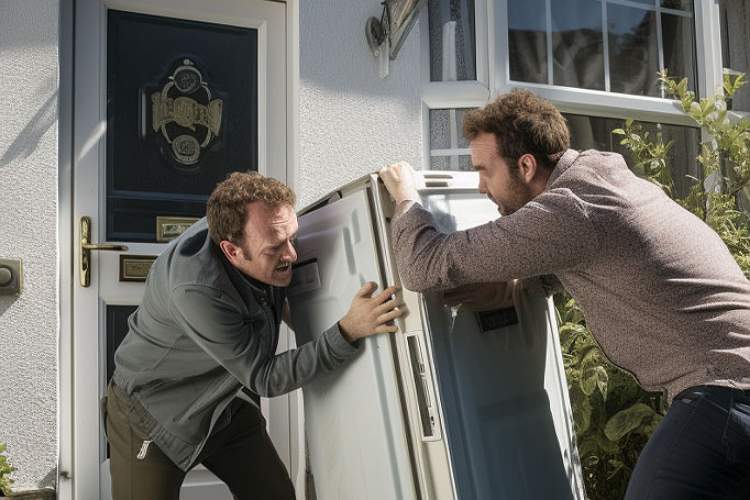
You probably have an old fridge or freezer humming away in the garage, and the idea of moving it on feels heavier than the appliance itself. Before you attempt a DIY shuffle to the curb.
Read up on local rules or check services like SameDay Rubbish Removal Melbourne that explain what can and cannot go to landfill. Understanding the basics first keeps the entire disposal process cleaner, safer and simpler.
Key Disposal Takeaways
Fridges and freezers demand thoughtful disposal because refrigerants, oils and bulky metal shells can trigger fines, injuries and climate damage when left curbside without preparation or paperwork.
- Book professionals quickly: Full-service haulers quote online, navigate tight hallways and guarantee eco-friendly processing of every hazardous component.
- Compare free options: Utility recycling, retailer haul-away and municipal bulky-item pickup often cost nothing, saving money and keeping appliances out of landfill.
- Earn money back: Rebates, scrap payments or resale channels can turn a clunky appliance into unexpected cash or charitable value.
- Prioritize safety first: Always unplug twenty-four hours in advance, tape doors shut and slide with an appliance dolly rather than brute force to avoid wall gouges or back strain.
A little planning prevents toxic leaks, neighbourhood eyesores and needless greenhouse gases, turning an intimidating chore into a responsible household victory.
Best Appliance Disposal Paths
When retirement day arrives for your fridge, modern disposal resembles ordering takeaway: several convenient services appear, each promising swift, compliant pickup tailored to your schedule and budget.
Retailer Haul-Away Services
Many big-box stores remove your old unit during delivery of the new model, ensuring responsible recycling while you simply clear a pathway and sign paperwork.
Manufacturer Take-Back Programs
Brands including Whirlpool and GE operate return initiatives. Some offer discounts or gift cards once the outdated appliance reaches certified dismantlers for safe refrigerant recovery.
Professional Junk Removal Companies
Licensed crews move heavy appliances down staircases, load trucks and deliver them to regulated facilities, sparing homeowners lifting injuries and compliance worries.
No-Cost Removal Methods
Budget-focused households can still dispose properly by using free community resources that trade a little scheduling flexibility for big savings.
- Utility recycling pickups: Energy providers often collect working fridges, reward you with bill credits and reclaim ozone-depleting refrigerants at no charge.
- Municipal bulky-item days: Town sanitation departments schedule appliance-only curbside programs; check guidelines for door removal and appointment stickers before setting units outside.
- Retailer promotions: Seasonal sales sometimes bundle complimentary haul-away, eliminating disposal fees when upgrading to an ENERGY STAR replacement.
- Neighbourhood gifting: Post functioning appliances on local swap groups; grateful neighbours will haul them away within hours, reducing transport emissions and landfill pressure.
Act early, because pickup calendars fill quickly during summer moves and holiday upgrade periods, leaving procrastinators paying private haulers unnecessarily.
Utility Rebate Opportunities
Your old energy hog can literally pay for its own departure; many power companies exchange cash or gadgets for surrendering inefficient fridges and freezers in working condition.
How Rebates Work
Utilities offset program costs with long-term grid savings. Removing one outdated fridge can save roughly three times the electricity of a modern unit each year, easing peak demand.
Typical Incentives Offered
Expect around fifty dollars per full-size refrigerator, fifteen for mini-units and occasional smart-home gifts. Exact amounts vary, so confirm with your provider.
Scheduling and Preparation
Book online, clear a path, defrost twenty-four hours, and ensure an adult signs release forms while technicians verify functionality and serial numbers at pickup.
Charity Donation Routes
Extending an appliance’s life helps families while delaying resource-intensive manufacturing. Donate only fully functional, clean units to maintain nonprofit efficiency and recipient dignity.
Local Habitat for Humanity ReStores
Many ReStores accept good-condition refrigerators for resale, funding affordable housing projects and providing low-income shoppers with reliable appliances.
Community Shelters and Food Banks
Shelters constantly need cold storage; coordinate deliveries outside meal service hours and supply model details to ensure compatibility with facility electrical capacities.
Online Donation Platforms
Websites like Freecycle or Nextdoor match donors with neighbours, reducing transport mileage and fostering hyperlocal sharing networks.
Certified Recycling Centers
When units no longer function, certified recyclers dismantle them into steel, copper and plastic while safely extracting refrigerant, keeping hazardous foam out of the atmosphere.
- Search Earth911: Enter your postcode and “refrigerator” to locate facilities that follow EPA Section 608 requirements.
- Verify certification: Ask centres for Responsible Appliance Disposal (RAD) or equivalent credentials to confirm compliance.
- Arrange transport: If you lack a truck, partner with local junk haulers who deliver appliances directly to the recycler for a modest fee.
- Request recycling proof: Many facilities provide weight tickets or certificates documenting that harmful chemicals were captured and metals reused responsibly.
Municipal Collection Programs
Cities increasingly recognise appliance recycling as an essential public service, offering subscription pickups or drop-off events funded through recycling revenue.
When council schedules do not align with your own, you can arrange a paid curbside appointment through Same-day RR in Melbourne and still keep materials out of landfill.
Bulk Pickup Scheduling
Most waste departments require advance reservations and small fees, which cover technician time to remove doors onsite and tag units for special handling.
Drop-Off Facilities
Some transfer stations accept appliances year-round, letting residents avoid curb clutter. Confirm operating hours and refrigerant evacuation policies before borrowing a friend’s trailer.
Compliance Importance
Illegal dumping risks steep fines. Municipal programs shield households from legal exposure by ensuring appliances follow documented recycling chains and approved processing.
Private Scrap Recyclers
Independent scrap yards can turn your fridge into fast cash, paying by weight for ferrous metals while still requiring certified refrigerant evacuation beforehand.
Selecting Reputable Yards
Choose facilities that photograph inbound loads and maintain EPA licences, guaranteeing harmful compounds are removed rather than vented illegally.
Maximising Payouts
Detach removable metal racks, ice makers and copper coils where allowed; separate aluminium trims to fetch premium prices without contaminating steel loads.
Transport Tips
Secure the appliance upright in a pickup truck, strap tightly and avoid highways during peak traffic to keep moving loads stable and fellow drivers safe.
Creative DIY Upcycling
Not every retired refrigerator must leave the property; imaginative transformations can repurpose hulks into conversation-starting furniture, garden features or backyard entertainment stations.
- Pantry cabinet: Strip doors, add shelves, paint bold colours and gain deep storage space for canned goods and bulk staples.
- Outdoor planter: After refrigerant is removed, punch drainage holes and create a quirky raised bed protecting herbs from rabbits and back strain.
- Wine cellar conversion: Install wooden slats, insulation and a hygrometer to cradle vintages stylishly without costly specialised equipment.
- Giant patio cooler: Line the interior with waterproof sealant, add a hinged lid and host barbecues where guests help themselves to frosty beverages.
Always hire certified technicians to remove gases before cutting metal panels to protect both personal health and the local environment.
Essential Safety Steps
Physical hazards, chemical dangers and legal liabilities accompany fridge removal. Following proven precautions shields your family, movers and the environment from avoidable harm.
Defrost and Drain
Unplug at least twenty-four hours beforehand, catching meltwater in towels. A dry, ice-free cabinet weighs less, prevents slippery drips and protects wooden floors from swelling.
Secure Doors or Remove
Tape doors shut with strong packing tape or unbolt them entirely to eliminate entrapment risks for curious children.
Lift with Proper Equipment
Use an appliance dolly, lifting straps and two helpers. Keep the unit upright so compressor oil does not flood cooling lines.
Follow EPA Regulations
Check EPA Section 608 guidelines before handling refrigerants. Hefty fines await anyone who intentionally releases chemicals while dismantling compressors or copper lines.
Document Disposal
Retain receipts, rebate forms or donation letters as proof the appliance reached an approved recycler rather than an illegal dumpsite.
Final Cooldown
You now have reliable, regulation-ready options for retiring old fridges and freezers. Verify refrigerant extraction, choose reuse or certified recycling, and document disposal for full compliance and peace of mind.
