
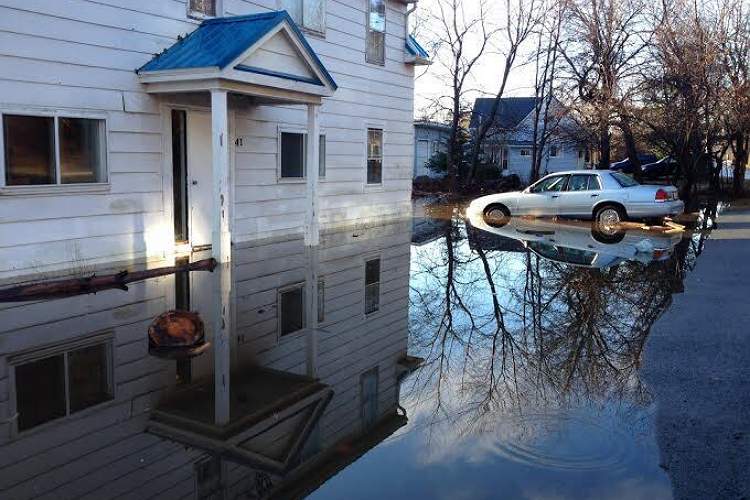
Basement flooding in Toronto often catches homeowners off guard. Heavy rain, melting snow, or failed drainage systems can turn a dry basement into a costly mess within hours. Basements in Toronto often flood because overloaded sewers, foundation cracks, or poor drainage allow water to enter and accumulate where it doesn’t belong. Understanding these causes helps property owners protect their homes before the next storm hits.
Toronto’s mix of older homes, dense neighbourhoods, and aging pipes makes some areas more prone to flooding than others. Even small gaps in foundations or clogged eavestroughs can invite water indoors. As a result, prevention often depends on a mix of maintenance, inspection, and simple upgrades that stop water before it finds a way inside.
Those who act early avoid the stress and expense that follow water damage. The sections that follow explain what triggers basement flooding in Toronto and outline practical steps to prevent it, so homeowners can keep their spaces dry year-round.
Understanding the Causes of Basement Flooding in Toronto
Basement flooding often results from heavy storms, structural wear, or internal plumbing failures. In Toronto, a mix of ageing infrastructure, seasonal weather, and outdated drainage systems adds to the problem. Homeowners who identify these causes early can prevent property damage and costly repairs.
Heavy Rainfall and Sewer Overflows
Toronto’s frequent rain and snowmelt often overwhelm city drains and combined sewers. During severe storms, water fills catch basins faster than it can move through underground pipes. Once the system reaches full capacity, the overflow can reverse into residential drains or basement toilets.
Homes in low-lying neighbourhoods face a higher risk because water naturally collects around foundations. Blocked street drains and poor yard grading make the issue worse by trapping water close to the house.
Property owners can reduce this risk by cleaning gutters, extending downspouts, and improving soil slope away from the home. Installing a backwater valve also helps stop sewage from entering through floor drains. Local plumbing services in Toronto offer inspections and upgrades that meet city by-law standards, which can protect basements from sewer backups during heavy storms.
Foundation Cracks and Drainage Issues
Even small cracks in a concrete foundation can let water seep through during rain. Over time, soil pressure, freeze-thaw cycles, and shifting ground widen these gaps. Once moisture enters, it can damage drywall, flooring, and wiring.
Poor exterior drainage also worsens flooding. Homes with uneven grading or blocked weeping tiles allow surface water to pool near walls. Hydrostatic pressure then forces water through foundation joints or basement floors.
Homeowners should walk around their property after rainfall to look for standing water or wet patches near the foundation. Repairs that use waterproof coatings and proper grading can stop moisture from building up. Regular professional inspection supports early detection before major leaks start.
Plumbing Failures and Internal Water Sources
Leaky pipes, burst lines, and appliance malfunctions often trigger indoor basement floods. In cold weather, frozen pipes can split and release large volumes of water once ice thaws. Damaged water heaters or cracked supply lines also create hidden leaks that spread over time.
Many homeowners overlook routine plumbing checks until damage has already occurred. However, simple steps like inspecting visible pipes, replacing worn hoses, and monitoring water pressure can limit future problems.
For added safety, licensed plumbers can assess water pressure systems and replace corroded sections. Emergency response teams across Toronto offer quick repair options for broken pipes and valve failures, helping prevent widespread water damage inside homes.
Sump Pump and Backwater Valve Malfunctions
Sump pumps keep basements dry by pushing water away from the foundation, but mechanical failure or power loss can cause trouble. A pump that fails to switch on during a storm leaves no defence against rising groundwater. Clogs or frozen discharge lines often stop the pump from clearing water efficiently.
Backwater valves protect against sewer backup, but they also need regular maintenance. If debris blocks the valve flap, it may stick open or closed at the wrong time.
Residents can test these systems every few months by adding water into the sump pit and checking valve operation. Battery backups and cleaning routines also add extra security during storm-related power outages. Professional maintenance improves system reliability and helps homeowners avoid sudden basement floods.
Effective Solutions to Prevent and Stop Basement Flooding
Reducing the risk of water entering a basement requires proper drainage, sealed foundations, and protective plumbing systems. Mechanical devices like sump pumps and backwater valves play major roles in keeping homes dry, while homeowners may also receive financial help through subsidy programs.
Installing and Maintaining Sump Pumps
A sump pump removes groundwater that collects around the foundation before it seeps through walls or floors. It sits in a pit, usually in the lowest corner of the basement, and activates once the water level rises. The pump directs water through a discharge pipe, sending it away from the house to a safe drainage area.
Homeowners should inspect the pump at least once a year. Testing involves filling the pit with water and checking that the system starts automatically and expels water properly. Cleaning the pit and discharge pipe helps prevent clogs. A backup battery or generator keeps the pump running during a power failure, which often occurs during heavy storms.
Proper installation is important because an undersized or incorrectly placed pump can fail to control water buildup. A licensed plumber can help select a pump with the right capacity for the property’s drainage system.
Implementing Backwater Valves for Sewer Protection
A backwater valve stops sewage from flowing into a home’s plumbing during heavy rain. It contains a flap inside the pipe that closes if water from the main sewer tries to move backward. This simple device can prevent dirty water from flooding toilets, drains, and basement floors.
Homeowners should check that the valve remains free of debris. Most models include a clear cover to make inspections easier without removing the entire cap. Regular cleaning, usually once a year, helps keep the valve working correctly. If the flap sticks open, the system will not protect the house from sewer backup.
Installing a backwater valve often requires cutting into the main sanitary line, so professional installation is recommended. In many retrofit projects, the valve is positioned on the sanitary line leaving the home, just downstream from where the home’s weeping tile connects. This setup helps reduce the risk of both stormwater and sewage backup.
Waterproofing Your Basement and Sealing Foundations
Strong waterproofing begins with keeping water away from exterior walls. Homeowners can seal cracks, repair damaged mortar, and apply waterproof coatings on the foundation. Exterior grading should slope away from the structure by at least 2% for the first two metres to help direct surface water outward.
Eavestroughs and downspouts should stay clear of leaves, mud, and ice. Downspouts should extend about two metres from the home or lead to a proper drainage area. Window wells also require tight seals and covers to block surface runoff.
Inside the basement, applying a waterproof membrane or sealant can stop moisture that seeps through porous concrete. Regular checks of wall corners and floors can detect dampness early. If leaks appear repeatedly, it can indicate a larger issue with the foundation drainage system or weeping tiles.
Taking Advantage of the Basement Flooding Protection Subsidy Program
Homeowners may receive financial assistance through the Basement Flooding Protection Subsidy Program, which encourages upgrades that limit flood risk. The program helps offset the cost of installing sump pumps, backwater valves, and other protective devices.
To qualify, the homeowner must own a single-family, duplex, or triplex property. Work must be completed by a licensed plumber and inspected before reimbursement. The subsidy covers a portion of eligible expenses, up to a maximum amount, depending on the type of improvement.
Applicants usually submit proof of payment, contractor invoices, and photographs of the completed work. The process supports preventive action instead of waiting for damage to occur. Residents who take part can reduce future cleanup costs and improve the safety of their property.
Conclusion
Basement flooding in Toronto often results from heavy rain, sewer backups, foundation cracks, or aging drainage systems. Each of these causes can lead to structural damage and health risks if ignored.
Regular maintenance and early inspections help reduce the chance of flood damage. Simple actions such as cleaning gutters, directing water away from the foundation, and checking sump pumps can prevent serious issues.
Homeowners should also consider waterproofing upgrades or backwater valves to protect their property. Professional assessments help identify hidden problems and guide effective repairs.
By addressing small warning signs promptly, property owners reduce both financial loss and stress. Awareness and consistent care keep basements dry and homes safe in all seasons.
