
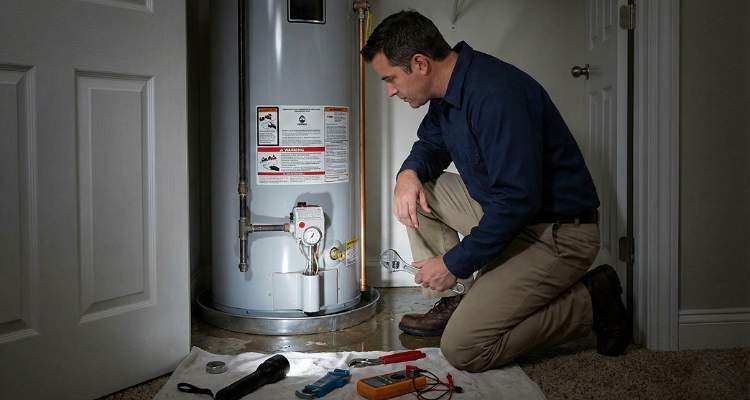
When a home’s hot water suddenly stops, the need for water heater repair becomes an urgent concern that every homeowner should understand. Whether a model uses a traditional storage tank or a modern tankless design, unexpected failures can disrupt daily life and even cause property damage. Knowing what steps to take during an emergency can help minimize risk, safeguard your family, and prevent long‑term damage to your system. This comprehensive guide offers a professional, user‑friendly walkthrough of the critical aspects of emergency water heater repair, including early signs of failure, key troubleshooting techniques, and when to seek expert help.
What Should You Do First When Your Water Heater Fails?
Responding quickly when your water heater malfunctions can make the difference between a minor fix and a major disaster. The very first action should always be focused on safety. In many emergency situations, home residents are unsure whether to turn off the power supply, the water flow, or both. If the unit is electric, locate the circuit breaker and switch it off. For gas‑powered units, carefully close the gas valve to prevent leaks or combustion hazards. Turning off the incoming cold water supply at the shut‑off valve can further reduce the risk of flooding or internal damage. These steps help secure the environment while you prepare for further troubleshooting.
Once safety protocols are in place, it’s important to inspect common failure points. Many emergency calls stem from heater elements or thermostats malfunctioning, sediment accumulation causing inefficiency, or valves beginning to leak. Correctly identifying these issues early is the first step in effective water heater repair.
An unexpected halt in hot water availability often leaves homeowners scrambling for solutions. While DIY techniques can sometimes offer temporary relief, they should be used judiciously. For instance, checking the thermostat settings can clarify whether the issue is merely incorrect temperature configuration or something more serious. On gas units, ensuring that the pilot light is properly lit and the gas control valve is open before further inspection can avoid unnecessary troubleshooting steps. However, persistent problems after these checks generally signal the need for professional attention.
One of the most common early indicators that an emergency repair may be needed is a sudden or prolonged absence of hot water. The issue can stem from electrical faults, thermostat inaccuracies, or worn heating elements. In such situations, you might try resetting breakers or relighting pilot lights, but repeated failures are often symptomatic of deeper problems within the heater’s system. Professional technicians can diagnose these issues more efficiently, reducing downtime and preventing repeated emergency calls.
At times, homeowners may notice water pooling around the base of their unit or signs of internal corrosion. Water leaks are among the most serious emergency scenarios because they can cause structural damage to walls, floors, and surrounding areas. If pooling occurs, shutting off water and power quickly is critical. While small leaks sometimes respond to temporary fixes like plumber’s tape around threaded joints, many leaks indicate more advanced wear and may require comprehensive water heater replacement rather than small patchwork repairs.
Why Does Sediment Build‑Up Matter in Emergency Water Heater Situations?
Sediment and mineral buildup at the bottom of a tank or inside pipes are underlying causes of many emergency issues in both traditional and tankless systems. Over time, hard water minerals settle and form deposits that impede heat transfer and reduce efficiency. This can lead to inconsistent water temperatures and strange noises like rumbling or popping, signaling that the heater is struggling to function properly. Regular maintenance such as flushing out sediment can extend unit life and help avoid emergency breakdowns.
When minerals accumulate, they not only degrade performance but also thrust stress on internal components like thermostats and heating elements. Without addressing these deposits, even professional repairs may only provide short‑term improvement. An annual flushing routine is recommended to prevent sediment‑based issues, and tankless models have their own specialized descaling process that should not be overlooked by homeowners or technicians.
Understanding the difference between addressing a minor issue and responding to a real emergency situation is vital. If hot water is merely inconsistent or there’s a slight drop in temperature, it might be a maintenance concern rather than an immediate crisis. However, complete loss of functionality, especially when paired with water around the heater’s base, is a clear signal that professional intervention is necessary rather than further DIY attempts. In such cases, experienced technicians can provide swift and reliable tankless water heater repair or replace components to restore full operation.
How to Avoid Future Emergency Repairs Through Maintenance
Preventive care plays a crucial role in reducing emergency calls. Homeowners who adopt a regular maintenance schedule can significantly extend the life of their water heaters and reduce costly breakdowns. Tasks such as checking the temperature and pressure relief valve, replacing sacrificial anode rods, and monitoring for corrosion are key parts of effective hot water heater maintenance. These efforts not only optimize performance but also help catch minor issues before they escalate into emergencies.
Routine inspections should cover both gas and electric systems, with particular care given to venting systems on gas units to prevent dangerous exhaust buildup. The pressure relief valve must be tested at least once a year to ensure safe operation, and any signs of rust around it should prompt immediate evaluation. Keeping flammable materials clear from the heater area is another overlooked detail that contributes to safe, effective long‑term operation.
For homeowners in regions with harder water, more frequent flushing and element checks are recommended. Tankless water heaters, while generally more efficient, still require professional descaling and filter cleaning to ensure they sustain peak performance. Ignoring maintenance for these systems can result in reduced flow, temperature fluctuations, and emergency breakdowns that could have been prevented with routine care.
When Is It Time for Water Heater Replacement Instead of Repair?
Not every problem can or should be fixed. The decision between water heater repair and replacement often hinges on the age of the unit, the severity of the damage, and the cost of the repair relative to the value of the system. Traditional tank models typically last about 8–12 years, while modern tankless systems can operate efficiently for up to 20 years. When a unit exceeds its expected lifespan, investing in replacement can yield long‑term savings and improved reliability.
Leakage from the tank itself is almost always a sign that replacement is needed, because internal corrosion means the heater no longer holds water safely. Similarly, frequent repairs that fail to restore consistent performance often signal that the unit is nearing the end of its useful life.
Frequently Asked Questions (FAQs)
- What are the most common signs that a water heater needs emergency repair?
Most emergency signs include a complete lack of hot water, water leaks around the heater, unusual noises like banging or rumbling, and discolored or rusty hot water from faucets. - Can I fix an emergency water heater issue myself?
Minor tasks like checking breaker panels or adjusting thermostat settings can be done by homeowners, but significant repairs should be handled by trained professionals to avoid safety risks and further damage. - How often should I have my water heater inspected to avoid emergency breakdowns?
Annual professional maintenance inspections are recommended for both traditional tank and tankless systems to catch small problems early and maintain efficiency. - What’s the difference between emergency repair and routine maintenance?
Emergency repair addresses sudden failures or safety issues that disrupt hot water service, while routine maintenance involves scheduled checks and preventative tasks to keep the system running smoothly. - When should I consider water heater replacement instead of repair?
Consider replacement if your heater is near the end of its typical lifespan, is leaking internally, or requires frequent costly repairs that outweigh the benefit of keeping it.
In sum, understanding the essentials of water heater repair, from spotting early warning signs to knowing when to call a professional, is key to maintaining a comfortable and safe home environment. Timely diagnostics, regular maintenance, and expert intervention can ease the stress of emergencies and extend the life of your system. For dependable service and assistance with water heater needs, trust Daigle Plumbing, Heating and Cooling to keep your hot water flowing when it matters most.
