
A roof is more than just a structural necessity; it is the protective crown of a home, shielding its occupants from the elements while defining the building’s aesthetic appeal. Throughout history, roofing materials and techniques have evolved, moving from traditional, time-tested solutions to modern innovations designed for durability, energy efficiency, and sustainability. Understanding the journey from traditional to modern roofing can help homeowners, builders, and designers make informed decisions when choosing a roof that balances performance, longevity, and style.
The Foundations of Traditional Roofing
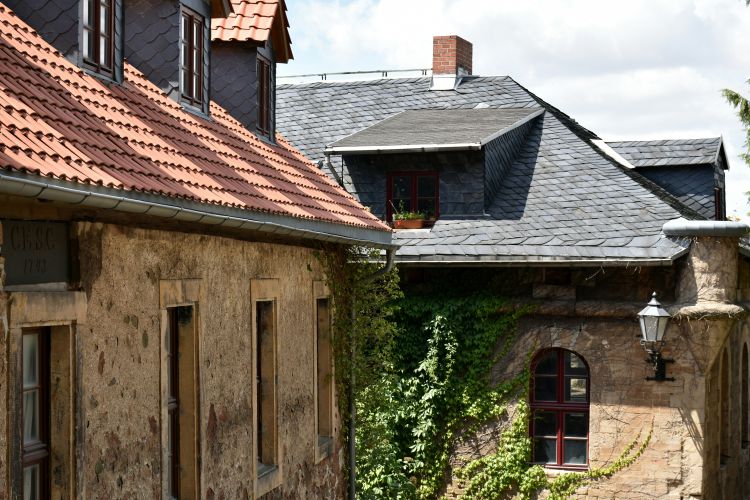
Traditional roofing methods have stood the test of time, often characterized by locally sourced materials and craftsmanship passed down through generations. One of the most enduring traditional roofing materials is clay tile. Known for their natural beauty and resistance to fire, clay tiles have been used for centuries in Mediterranean and Asian architecture. These tiles are not only durable but also offer excellent thermal insulation, keeping homes cool in hot climates. However, clay tiles are heavy and require strong structural support, which can increase construction costs.
Another classic material is slate, a metamorphic rock that splits into thin, flat sheets ideal for roofing. Slate roofs are prized for their elegance, longevity, and resistance to weathering. Robust slate roofing provides both durability and a timeless aesthetic, making it a preferred choice for those seeking a long-lasting investment. A well-maintained slate roof can last over a century, making it a long-term investment. However, similar to clay, slate is heavy and demands specialized installation, which can add to the upfront cost.
Wood shingles and shakes offer a more rustic aesthetic, commonly associated with traditional American homes. They provide natural insulation and a charming, organic appearance. Unfortunately, wood roofs require regular maintenance to prevent decay, insect damage, and fire hazards, which can limit their practicality in certain environments.
Thatched roofs, crafted from straw, reeds, or other vegetation, are another iconic traditional roofing style, often seen in rural or historical settings. Thatching is highly sustainable and provides good insulation, but it demands skilled labor and frequent upkeep, making it less common in modern construction.
Transitioning to Modern Roofing Solutions
While traditional roofing materials continue to have their place, modern demands for efficiency, durability, and sustainability have driven innovation in roofing technologies. Today’s modern roofs combine aesthetic versatility with performance-enhancing features that address contemporary concerns such as energy efficiency, climate resilience, and environmental impact.
Asphalt Shingles: Affordable and Versatile
Asphalt shingles are one of the most widely used modern roofing materials. They are suitable for a variety of architectural designs because they are reasonably priced, simple to install, and come in a variety of colors and styles. Although the lifespan of asphalt shingles is usually 20 to 30 years shorter than that of clay, slate, or metal roofs, they provide good protection against wind, rain, and UV radiation. Recent innovations in asphalt shingles include impact-resistant variants and reflective coatings to improve energy efficiency.
Metal Roofs: Durability Meets Sustainability
Metal roofing has gained popularity due to its longevity, strength, and environmental friendliness. Materials such as aluminum, steel, and copper provide exceptional durability, often lasting 50 years or more with minimal maintenance. Metal roofs are lightweight, fire-resistant, and recyclable, making them an excellent choice for eco-conscious homeowners. Modern metal roofing also comes in a variety of profiles and colors, allowing it to mimic traditional materials like tiles or shingles while offering superior performance.
Green Roofs: Eco-Friendly Innovation
Green or living roofs represent a significant shift in modern roofing philosophy, integrating plants and vegetation into the roof structure. These roofs provide natural insulation, reduce urban heat islands, and absorb rainwater, mitigating stormwater runoff. Green roofs also enhance air quality and contribute to biodiversity, making them a sustainable choice for environmentally minded building projects. Though installation and maintenance costs are higher than conventional roofs, the long-term benefits, both ecological and financial, are considerable.
Solar Roofs: Harnessing Renewable Energy
With the rise of renewable energy, solar roofs have emerged as a cutting-edge solution. Solar panels can now be seamlessly integrated into roof designs, allowing homeowners to generate electricity while maintaining an aesthetically pleasing exterior. Innovations such as solar shingles combine traditional roofing materials with photovoltaic technology, providing energy efficiency without compromising style. These roofs not only reduce electricity bills but also increase a home’s value and reduce its carbon footprint.
Key Considerations for Choosing a Quality Roof
Selecting the right roof involves more than choosing between traditional or modern materials; it requires careful evaluation of various factors, including climate, structural support, maintenance requirements, and budget.
- Climate and Environment: The local weather and environmental conditions play a critical role in roof performance. For instance, metal and slate roofs are ideal for areas with heavy snow or rain, while clay tiles excel in hot, dry climates. Green roofs thrive in urban settings with moderate rainfall, while solar roofs benefit regions with abundant sunlight.
- Longevity and Maintenance: Consider how long you intend to stay in the property and your willingness to maintain the roof. While traditional materials like slate and clay tiles can last a lifetime, they require structural support and occasional inspections. Asphalt shingles and modern metal roofs offer easier maintenance and predictable lifespans.
- Energy Efficiency: Modern roofs increasingly incorporate features that improve energy efficiency. Reflective coatings, green roofs, and solar integration can significantly reduce heating and cooling costs, contributing to long-term savings.
- Aesthetic and Architectural Fit: The roof should complement the overall architectural style of the building. Traditional materials often enhance historical or rustic designs, while modern solutions provide sleek, minimalist aesthetics suitable for contemporary homes.
- Budget and Investment: Initial cost is just one factor; consider the roof’s total cost of ownership, including installation, maintenance, and energy savings. Sometimes, a higher upfront investment in a durable or energy-efficient roof can pay off in the long run.
Conclusion
From the charm of clay tiles and slate to the cutting-edge efficiency of solar and green roofs, the evolution of roofing reflects a balance between tradition and innovation. Understanding the characteristics, advantages, and limitations of each roofing option empowers homeowners and builders to select materials that meet both functional needs and aesthetic preferences. Whether preserving historical authenticity or embracing modern technology, a quality roof provides not only protection and comfort but also enhances the value and sustainability of a home. By bridging the gap between traditional craftsmanship and modern innovation, today’s roofing solutions offer a diverse array of options to suit every taste, budget, and environmental context.
A well-chosen roof is not just a shelter—it is an investment in security, beauty, and sustainability that can endure for decades, if not centuries.
