
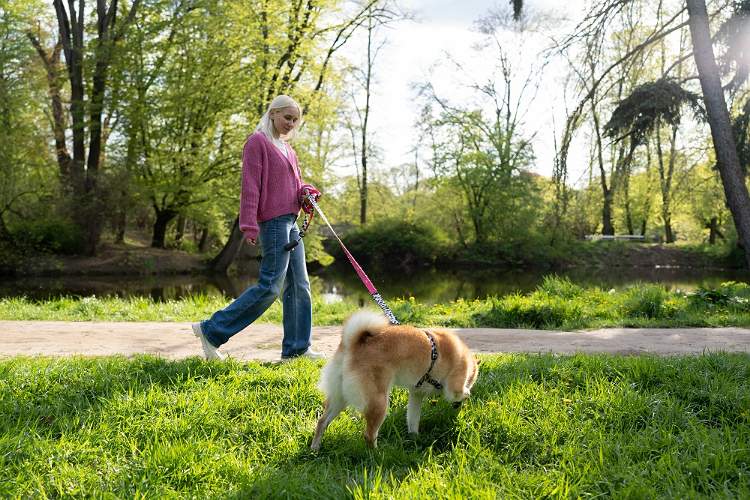
Keeping outdoor areas clean matters more than many dog owners expect. Your yard, patio, and walkways support your dog’s daily routines and directly affect health, comfort, and safety. When pet waste or lingering odors build up, bacteria can spread, and shared spaces quickly become less inviting.
The goal is not perfection. Instead, it helps to focus on realistic habits that fit naturally into your schedule. Simple steps taken regularly make outdoor hygiene easier to manage without turning cleanup into a chore.
By following a consistent outdoor cleaning routine, you protect the spaces your dog uses every day. Over time, those small efforts help create a cleaner, fresher environment that feels comfortable for both pets and people.
Tip 1: Establish a Consistent Dog Poop Cleanup Routine
Removing pet waste on a daily or routine basis plays a key role in keeping outdoor areas clean. When dog waste sits too long, bacteria and parasites can spread through soil, grass, and high-traffic areas. Over time, this buildup affects yard hygiene and increases health risks for both pets and people.
For busy dog owners, consistency matters more than frequency. A quick walk through the yard once or twice a day helps prevent odors and keeps cleanup manageable. Pairing this habit with clearly defined cleanup spots can make the routine feel easier and less time-consuming.
Many dog owners rely on simple dog waste disposal systems such as waste bins, bag holders, or designated disposal areas. Using reliable tools and accessories supports these routines naturally, and products like Pogi’s pet supplies can fit into a practical cleanup system without complicating your day.
Tip 2: Maintain a Clean and Odor-Free Yard
Outdoor odors often develop when pet waste, moisture, and repeated foot traffic combine in the same areas. Dog yards with poor airflow or shaded spots tend to hold moisture longer, which allows smells to linger. Over time, these conditions make keeping outdoor areas clean more difficult.
You can control outdoor odors by removing waste promptly and rinsing problem areas with pet-safe solutions. Light cleaning after rain or heavy use helps break down residue before smells settle into the ground. This approach supports better backyard sanitation without harsh chemicals.
Proper drainage and thoughtful lawn care with dogs also make a difference. Well-maintained grass, gravel paths, or designated dog zones reduce odor buildup and help your yard stay fresher between cleanings.
Tip 3: Clean Patios, Decks, and Walkways Regularly
Hard outdoor surfaces often hold onto bacteria, grime, and residue more than grass or soil. When dogs move between the yard and hardscaped areas, moisture and pet waste particles can settle into cracks and textured surfaces. Without routine cleaning, these areas become common sources of odors and bacteria buildup.
Regular patio and deck cleaning helps prevent long term sanitation issues. Rinsing surfaces after heavy use and spot cleaning problem areas keeps dirt from setting in. Paying attention to corners and entry points also reduces tracked debris.
Muddy paw prints are easier to manage when cleaned quickly. Using pet safe disinfectants designed for outdoor use protects your dog while keeping walkways clean and safe for everyday use.
Tip 4: Keep Outdoor Water Bowls and Feeding Areas Hygienic
Outdoor water bowls can quickly become breeding grounds for bacteria when water sits too long. In warmer climates, stagnant water also attracts insects and other pests that compromise outdoor dog hygiene. These conditions make regular attention essential for keeping feeding areas safe.
You can improve outdoor water bowl hygiene by emptying and refilling bowls daily. Rinsing them with clean water removes buildup before it becomes a problem. Placing bowls on raised or shaded surfaces also helps limit dirt and debris.
Preventing contamination requires mindful placement away from pet waste zones. A simple sanitation routine that includes quick checks during daily care keeps outdoor feeding areas cleaner without adding extra effort to your day.
Tip 5: Reduce Pests and Prevent Bacteria Buildup in Dog Areas
Pet waste left in the yard often attracts flies, insects, and other pests that thrive in unclean conditions. As pests gather, they increase the spread of bacteria and parasites, which makes outdoor sanitation harder to maintain. Consistent waste removal limits these problems at the source.
You can manage pest control in dog yards by focusing on cleanliness rather than chemicals. Clearing waste, improving drainage, and removing standing water reduce pest activity naturally. These steps protect your dog while supporting a safer outdoor environment.
Routine maintenance such as spot cleaning and surface rinsing helps prevent bacteria buildup over time. When these habits stay consistent, your yard remains a healthier space for pets throughout the year.
Conclusion
Regular outdoor cleaning schedules play a steady role in keeping your dog’s environment healthier and more enjoyable. When cleanup happens consistently, odors stay under control, bacteria has less opportunity to spread, and outdoor areas remain welcoming for everyday use.
Practical habits matter more than occasional deep cleans. Small actions like quick waste checks, light rinsing, and routine inspections fit easily into daily life and prevent larger problems from developing over time.
Viewing outdoor cleanliness as part of overall dog care helps you protect both your pet and shared spaces. With manageable routines in place, you support a safer, cleaner outdoor environment that works for real life and responsible pet ownership.
