
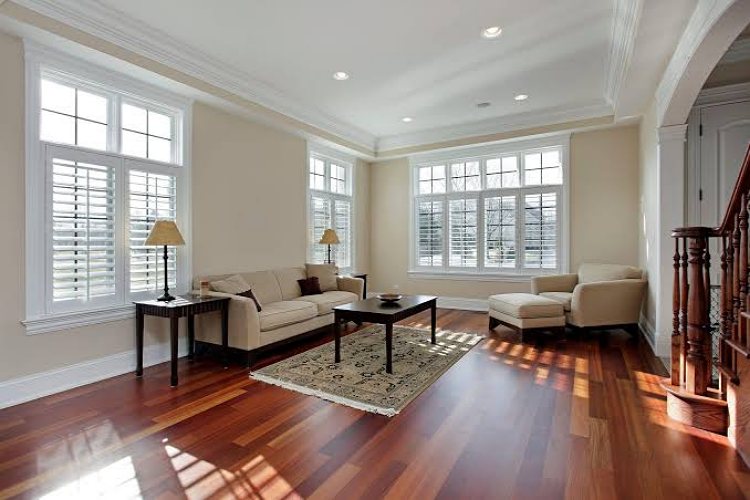
Older homes in Appleton hold a special place in the community. Many were built decades ago with difficult craftsmanship to replicate today—thick wood trim, solid framing, distinctive layouts, and architectural details that reflect the city’s history. While these homes often need updates to meet modern living standards, renovations should be approached thoughtfully. The goal isn’t to erase the past, but to enhance comfort, safety, and efficiency while preserving the character that makes these properties unique.
Successfully renovating an older Appleton home requires planning, restraint, and an understanding of what truly adds value—both emotionally and financially.
1. Identify and Preserve Defining Features
Every older home has elements that define its character. Before any demolition begins, homeowners should carefully identify features that should be preserved. These often include original hardwood floors, built-in cabinetry, solid wood doors, stair railings, plaster walls, decorative trim, and exterior materials like brick or wood siding.
Preservation experts and housing industry groups emphasize that maintaining original architectural elements helps protect long-term value and authenticity. Rather than replacing everything, restoration is often the better option. Refinishing floors, repairing trim, or restoring original doors can preserve the home’s historic feel while also giving it a refreshed appearance.
Documenting these features early—through photos and notes—helps guide renovation decisions and prevents accidental loss of irreplaceable details.
2. Modernize Core Systems Without Changing the Aesthetic
One of the most critical steps in renovating an older home is updating its core systems. Electrical wiring, plumbing, and heating systems in older Appleton homes may no longer meet current safety standards or household demands. Fortunately, these upgrades can usually be done without altering the home’s visual character.
Behind-the-scenes improvements—such as updated electrical panels, safer wiring, improved plumbing lines, and modern HVAC systems—significantly improve comfort and reliability. According to research from the National Association of Realtors, homeowners consistently report higher satisfaction from renovations that improve everyday livability, even when those upgrades aren’t immediately visible.
Prioritizing these system upgrades early prevents costly repairs later and ensures the home functions as well as it looks.
3. Balance Energy Efficiency With Historic Integrity
Energy efficiency is a major concern in Wisconsin’s climate, but older homes require a careful approach. Replacing all original windows or covering historic materials can unintentionally strip away character. Instead, homeowners should focus on improvements that preserve the home’s appearance.
Air sealing attics and basements, adding insulation where necessary, upgrading mechanical systems, and restoring original windows with weatherstripping can significantly improve energy efficiency. These changes often provide meaningful savings without compromising the home’s historic feel.
For homeowners weighing renovation versus selling options, especially when facing extensive efficiency upgrades, alternatives such as working with cash home buyers in Appleton may come into consideration, as these buyers often focus more on structure and potential than cosmetic updates.
4. Address Safety and Compliance in Older Homes
Older homes come with unique safety considerations. Properties built before 1978 may contain lead-based paint, and disturbing painted surfaces during renovation can create health risks if not handled properly. Federal housing agencies such as HUD recommend lead-safe renovation practices, including testing and containment procedures, especially in homes with children.
Other common issues include outdated wiring, aging sewer lines, moisture intrusion, and poor ventilation. A professional inspection before renovation helps uncover these problems early, allowing homeowners to budget realistically and avoid delays.
Addressing safety and compliance issues not only protects occupants but also preserves the long-term value of the home.
5. Renovate With Resale Value in Mind
Even if a homeowner plans to stay in the property long-term, resale value should always be factored into renovation decisions. In Appleton, buyers often seek homes that combine historic charm with modern functionality—updated kitchens and bathrooms, reliable systems, and good energy performance.
Over-customization or removing original details can limit buyer appeal. Consulting top real estate agents in Appleton can provide insight into which renovations add value locally and which may hurt resale potential. Their market knowledge helps homeowners strike the right balance between personal enjoyment and future marketability.
Thoughtful renovations tend to photograph better, attract more interest, and lead to smoother transactions when the time comes to sell.
Conclusion
Renovating an older Appleton home without losing its character is about making intentional choices. Preserving defining architectural features, upgrading systems discreetly, improving efficiency responsibly, addressing safety concerns, and maintaining resale value all play a role in a successful renovation. When done correctly, these updates honor the home’s history while making it comfortable, functional, and appealing for modern living. The result is a home that still tells its story—just with a stronger foundation for the future.
