
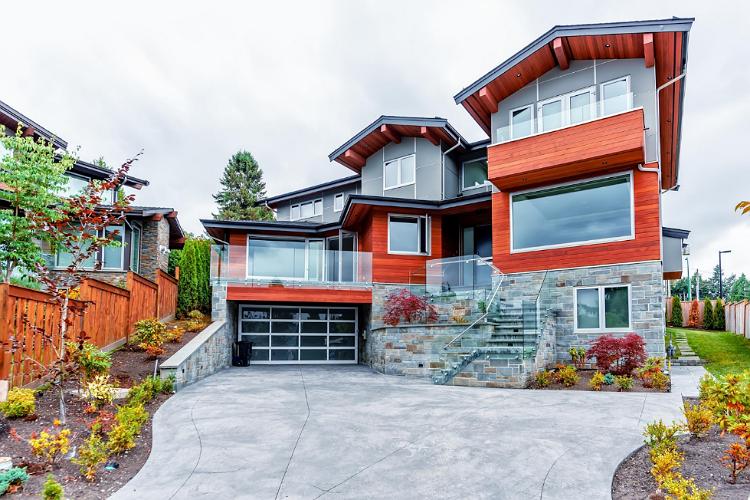
With the Victorian Government’s plan to increase building heights for high-density residential suburbs, is “building up” something you should consider in the near future?
In Melbourne alone, the average residential block is shrinking from over 450 square metres to under 350 square metres for new builds. A 2025 analysis has ranked Melbourne’s typical block size as the smallest in the country. Considering these figures, “building up” and having a look at scaffolding hire around Melbourne may be worth keeping in mind. Especially when wanting to retain a usable backyard or alfresco space to appreciate with family and friends.
Two or Three Storeys?
When looking at “building up”, there are factors to consider, but primarily, this will depend on the strength of your house’s structural foundation. This will determine whether one or two storeys can be added, or if a full or partial storey is possible. A structural engineer can guide you through this process.
Once you understand your house’s structural needs, design features can be refined. Practical considerations, such as stair development is key. Stair design should complement the existing room layout. A specialist stair builder will maximise this important central feature.
Other design factors to take into account are room locations and existing water and sewage points. For example, a bedroom and secondary bathroom downstairs could better cater to visitors or for unexpected periods of illness.
Due to hot air and sound often rising, when adding more than one additional level, there will be other considerations. Look at wall and ceiling insulation, window double glazing and solar film windows, air-conditioning or design around natural airflow, flooring that minimises noise and paint colours (inside and out) that reflect heat. Also, depending on the work being undertaken, temporary accommodation may be required.
Local Government Planning
Although operating under Victorian Planning Provisions, local governments set local planning guidelines and define zoning boundaries. While determining your house’s structural capacity, talk to your local government’s planning department about any zoning and permit requirements.
Even if building height limitations still exist in your area (up to two storeys or single storey only) local government may be willing to look at increased height options. Particularly if you’re living near transport hubs or other infrastructure, such as major roads, shopping precincts and community facilities. Explore your neighbouring suburbs or towns. If these homes have storey additions, this can go in your favour.
Both a building and a planning permit may be required for additional storeys. Local government, architects, building certifiers (private) or building surveyors (private and/or local government) can advise on what paperwork should be provided.
Safety
“Building up” involves safety considerations like managing the site, structural integrity and weather protection. Once all the paperwork has been put in place and a builder with storey development experience has been secured, you are ready to start. Your structural engineer will do a load-bearing check to identify the supports needed during construction.
The builder is responsible for a site safety plan. Under certain conditions, there is a legal requirement for scaffolding hire Melbourne-wide for storey additions. Also, wet weather protection for temporarily exposed internal structures is highly recommended. For unlockable properties, use temporary site fencing to establish boundary lines and for added security.
Improved Resaleability
Building additional storeys can significantly improve your home’s resale value through increased square footage, with added desirable bedroom, living and bathroom spaces. This increased space naturally allows for adequate separation between living, working and sleeping areas. Other value-adding features, of double or triple storey living, are maintained outdoor areas, enhanced views and improved curb appeal.
Final Considerations
Whether you’re ready to dive into making the most of your existing footprint or not, early planning for the increasingly popular building up movement will help determine your property’s suitability. Before going to the expense of getting a structural engineer to look at your house, first explore what’s happening in your own and the surrounding areas. Has your local government capitalised on this growing phenomenon? If it has or is starting to, then the next more formal steps can be taken. This will help you realise your dream of creating extra space for your family to enjoy. All the while investing in a more saleable property for the future.
