
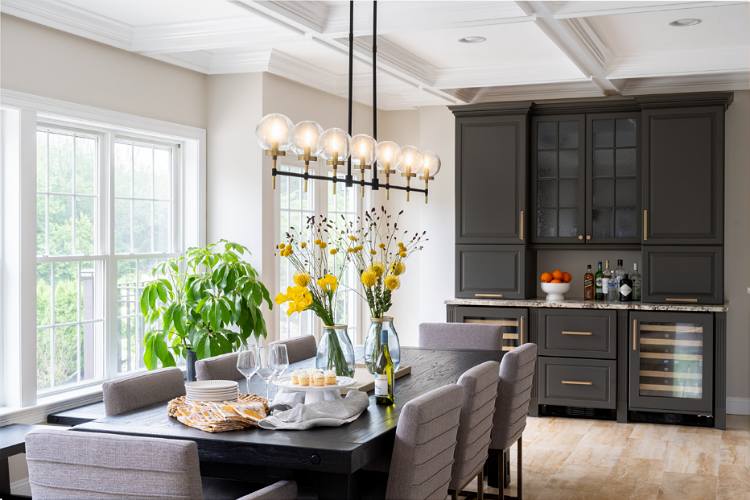
Every home has spaces that naturally bring people together. For many households, the dining room is one of those places. It is where families share meals, celebrate milestones, and spend time talking about their day. While furniture and décor contribute to the look of the space, lighting often plays the most important role in shaping how the room feels. Thoughtfully chosen dining room lights can transform an ordinary room into a warm and welcoming gathering place.
The right dining room lights do more than illuminate the table. They help create balance, support everyday activities, and influence the mood of the space. Understanding the importance of proper lighting can help homeowners design dining areas that feel comfortable, functional, and inviting.
Why Lighting Is Central to the Dining Experience
Lighting affects how people experience a room in subtle but meaningful ways. In the dining area, it determines how clearly people can see their food, how comfortable the atmosphere feels, and how easy it is to relax and enjoy a conversation.
When dining room lights are too bright, the space can feel harsh or overly formal. On the other hand, lighting that is too dim may make it difficult for people to see their meals or read menus during gatherings. Balanced lighting creates a comfortable middle ground that supports both visibility and relaxation.
Soft, even lighting also enhances the colors and textures of food, making meals look more appealing. This simple effect can elevate the dining experience and make shared meals feel more enjoyable.
Supporting Everyday Activities
Although dining rooms are designed primarily for meals, they often serve multiple purposes throughout the day. Many people use their dining tables for tasks such as reading, studying, working on crafts, or helping children with homework.
Because of this versatility, dining room lights must support different activities. Clear illumination allows people to focus on tasks without straining their eyes. At the same time, the lighting should remain comfortable enough to maintain a relaxed atmosphere.
Flexible lighting options can make this easier. Some homes use layered lighting, which combines different light sources to adjust brightness depending on the activity. This approach ensures the dining room remains practical for both daily routines and social gatherings.
Creating a Warm and Welcoming Atmosphere
The dining room is often a place where people gather to spend meaningful time together. Whether it is a casual family dinner or a celebration with friends, the atmosphere of the space influences how people feel.
Warm dining room lights help create a welcoming environment where people feel comfortable lingering at the table. Gentle lighting encourages conversation and relaxation, allowing guests to focus on each other rather than the surroundings.
Lighting also helps shape the emotional tone of the room. Soft illumination can make the space feel cozy and intimate, while balanced lighting keeps the environment calm and inviting. These small details make a significant difference in how people experience the space.
Highlighting the Dining Table as the Centerpiece
In most dining rooms, the table is the central feature. It is where meals are shared and where people naturally gather. Proper lighting helps highlight this focal point and visually organize the room.
Well-placed dining room lights direct attention toward the table, making it the natural center of activity. This arrangement helps create a sense of structure in the room and ensures that the most important area receives the best illumination.
When the table is clearly defined by lighting, the entire space feels more cohesive. Guests can easily see one another and engage comfortably in conversation, reinforcing the dining room’s purpose as a gathering place.
Enhancing Interior Design
Lighting plays an important role in interior design because it influences how other elements in the room appear. The color of the walls, the texture of furniture, and the details of decorative pieces can all look different depending on how they are illuminated.
Thoughtfully chosen dining room lights complement the overall style of the room. They can highlight architectural details, emphasize design features, and create visual harmony with other elements in the space.
For example, lighting can accentuate artwork on nearby walls or draw attention to decorative centerpieces on the table. When lighting works in harmony with décor, the room feels more balanced and thoughtfully designed.
Encouraging Social Interaction
One of the primary purposes of the dining room is to bring people together. The environment should feel comfortable enough to encourage conversation and shared experiences.
Soft, welcoming dining room lights help support this social atmosphere. When lighting is balanced and pleasant, people are more likely to relax and stay longer at the table.
This is particularly important during gatherings or celebrations. Whether people are sharing stories, enjoying dessert, or simply catching up, lighting helps create an environment where those moments can unfold naturally.
In this way, lighting becomes a quiet but powerful contributor to the social life of the home.
Improving Comfort and Visibility
Comfort in the dining room depends on several factors, and lighting is one of the most important. Poorly positioned lights can create glare, shadows, or uneven brightness that makes the room feel uncomfortable.
Properly arranged dining room lights distribute illumination evenly across the table and surrounding area. This ensures that everyone seated at the table can see clearly without bright light shining directly into their eyes.
Balanced lighting also helps reduce eye strain, especially during longer meals or conversations. When people feel physically comfortable, they are more likely to enjoy their time in the space.
Adapting to Different Occasions
Dining rooms often host a wide range of activities, from quiet family meals to festive gatherings. Lighting that can adapt to these different occasions makes the space more versatile.
For everyday dinners, dining room lights may provide soft, comfortable illumination that encourages relaxation. For larger gatherings or celebrations, slightly brighter lighting may help accommodate more people and activity.
Adjustable lighting systems or layered lighting designs can make it easier to shift between these settings. This flexibility allows the dining room to serve multiple purposes without losing its welcoming atmosphere.
Conclusion
The dining room is one of the most meaningful spaces in a home. It is where people gather to share meals, celebrate milestones, and enjoy time together. While furniture and décor help define the space, lighting plays a crucial role in shaping the experience.
Thoughtfully designed dining room lights provide more than simple illumination. They enhance visibility, support everyday activities, highlight the dining table, and create a warm and inviting atmosphere. When chosen and placed carefully, dining room lights help transform the dining room into a comfortable environment where people enjoy gathering and making lasting memories.
By understanding the importance of lighting in this space, homeowners can create dining areas that are both functional and welcoming, ensuring that every shared meal feels just a little more special.
