
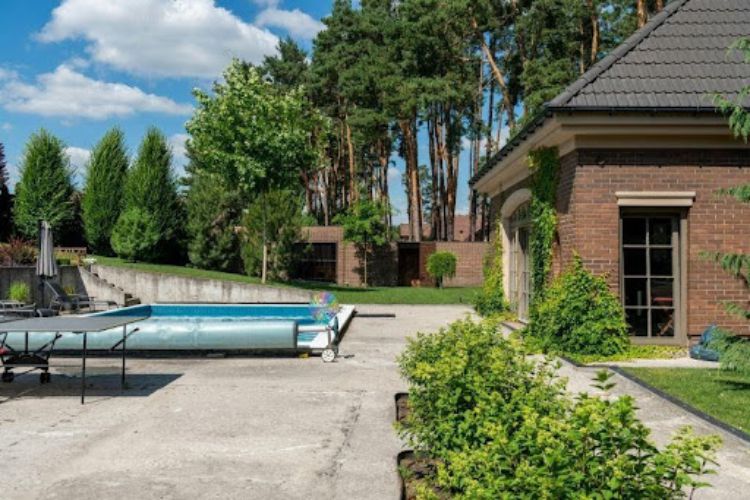
A pool cover changes your backyard’s entire flow. Most people consider it a safety tool, but it’s not just that. The hardware becomes a permanent fixture that shifts how you move and where you look.
Good landscaping supports the cover’s function. At the same time, it keeps the area clean, safe, and attractive. That balance doesn’t happen by accident. It comes from making smart choices early and sticking to them.
Here are a few creative ways to go about it:
Start With the Type of Pool Cover
Every design decision begins with the cover. Inground pools with automatic systems need clear edges and precise alignment. These tracks and housing units need proper planning for a precise finish.
Custom winter pool covers bring different demands when it comes to storage and seasonal changes. Such blankets come off and go back on. That means the surrounding space should stay flexible. Solar covers also need a dedicated spot when they’re not in use. This storage area shouldn’t disrupt the flow or block pathways.
Above-ground setups can be challenging to work with. The structure is higher, which affects how landscaping wraps around the perimeter. You’re working with height and visibility simultaneously rather than just framing a flat surface at the water’s edge.
Working with an experienced expert is crucial here. They’ll help you choose the right swimming pool cover and install it properly. They know how to match the cover to your pool dimensions and plan around the installation hardware. This is the kind of planning that keeps the whole setup working the way it should.
Protect the Mechanics With Smart Hardscaping
The area around the cover needs a solid base. Loose soil or mulch won’t hold up over time, especially near the installation hardware. Dirt shifts constantly, and that movement can put unnecessary stress on the entire system.
Hardscaping solves this problem effectively. Pavers, stone, or concrete create a stable surface that keeps everything in place. These materials simplify cleaning, which is important when you’re trying to protect water quality and prevent debris buildup around the tracks.
Setups involving a weatherproof swimming pool cover or built-in tracks require edges that stay clear and accessible. You’ll need to reach these components for routine checks, and blocking access turns a simple task into a frustrating project. Solid stone borders or wide coping stones provide the necessary room to work without disturbing your garden beds.
Make Maintenance Easy
A great backyard layout should work for you. Spaces that need constant scrubbing or fixing eventually become a burden.
It’s best to choose pool safety covers that handle the mess for you. Smooth pavers or composite decks rinse off in seconds and don’t trap the grime that gets tracked into the water. These choices keep the area looking sharp with minimal scrubbing.
Access is everything. You need enough room to walk around the pool without tripping over gear or stepping into a flower bed. Stored equipment and heater covers should have their own spots so they don’t block the path or ruin the view.
Keep Plants at a Distance
Plants bring life to your outdoor space, but they need strict boundaries. Leaves and debris rarely stay put. They usually get pulled into the mechanics when the cover moves. This buildup leads to avoidable wear on the motor and forces you into a constant cleaning cycle.
Organic matter also triggers algae growth once it hits the water. Creating a clean border is the best way to prevent this. Using gravel or river stone between planting beds and the pool edge provides a functional buffer that catches falling leaves before they reach the surface.
Focus on species that stay controlled and tidy. Anything that drops heavy seeds or spreads aggressively should stay far from the water. Keep taller growth away from the perimeter, too. This will ensure branches don’t hang over the cover or obstruct the view across the pool.
Plan for Drainage Ahead of Time
Water must move in the right direction to avoid costly complications. When it collects near the cover, it creates immediate performance issues. Standing water adds weight that can strain the motor and lead to long-term structural damage.
Grade the landscape so runoff flows away from the pool perimeter. A clear slope ensures heavy rain won’t overwhelm your setup. This prevents soil from shifting toward the tracks and keeps the area dry. Foresight like this is vital in regions where sudden downpours can wash garden debris directly into the system.
Effective drainage also protects the integrity of your hardscaping. When the surrounding ground stays stable, the pool shell and installation hardware remain perfectly aligned. This consistency prevents the cover from snagging. It keeps the entire operation smooth, reliable, and looking exactly how it should.
Think About How People Use the Space
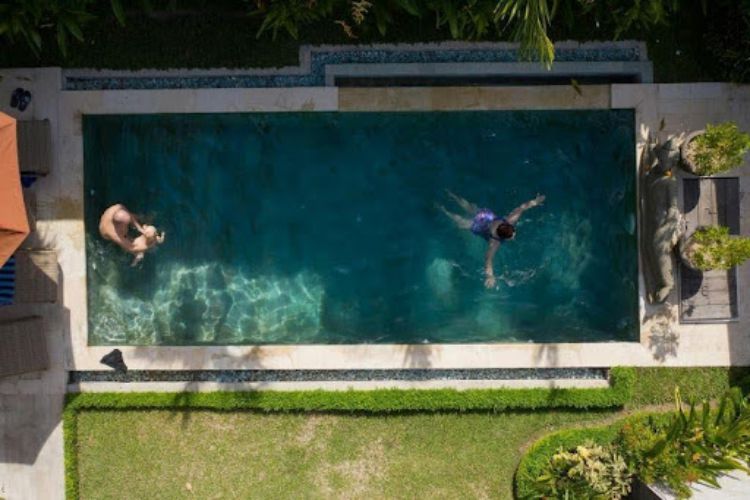 Landscaping dictates the rhythm of the yard. Awkward layouts become obvious the moment guests arrive.
Create clear, wide paths around the entire perimeter. Nobody should have to hurdle a pool cover or squeeze through tight gaps. The flow must feel intuitive from the second someone steps outside. Open walkways ensure the pool remains the centerpiece without becoming a physical obstacle.
You can also set up zones for different uses. A seating area, a place to relax, and an open space near the water all need room to function. That balance matters whether you’re dealing with a compact yard or a larger setup that includes an above-ground pool.
Conclusion
A pool cover becomes a permanent feature of the space. Planning the landscaping around this hardware ensures every element works better and looks seamless. Clean edges, clear paths, and smart material choices keep the system running without constant effort.
Get the structure right first. Build around it with purpose. This approach results in a backyard that feels easy to use, stays in good shape, and holds up over time.
