
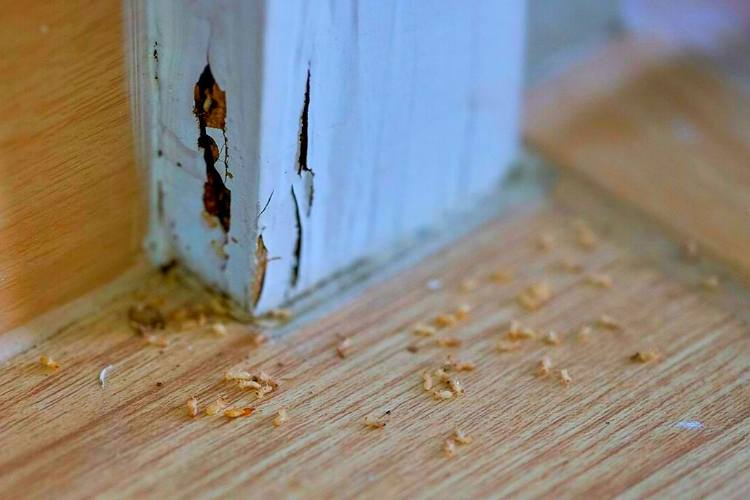
Most homeowners think of termites as a pest problem. In reality, termites are a structural problem that happens to involve pests.
A leaking pipe usually announces itself. Roof damage eventually creates visible stains. Electrical problems often trip breakers or cause lights to flicker. Termites are different. They work slowly, quietly, and almost entirely out of sight. A colony can expand through a home for months before a homeowner notices anything unusual, and by that point the damage may already be extensive.
That hidden nature is what makes termites so dangerous. The real threat is not the insects people see. It is the destruction happening behind walls, beneath flooring, and inside support structures long before the infestation is discovered.
Professional termite protection from companies like Talos Pest Control helps homeowners stop that damage before it turns into a serious safety and financial issue.
A Home Can Look Fine While Serious Damage Is Developing
One of the biggest misconceptions about termites is that homeowners will immediately recognize the signs of an infestation. In reality, termite damage often develops invisibly.
Wood is consumed from the inside out. Support beams may still appear solid externally while the interior has already been hollowed out. Floors may feel stable until weakening reaches a critical point. Even walls can hide active colonies for long periods without obvious visual clues.
This creates a dangerous timeline:
- The infestation begins quietly
- Structural weakening gradually spreads
- Moisture issues increase
- Repair costs grow
- Safety risks rise
By the time visible symptoms appear, termites may have already expanded into multiple parts of the home.
Structural Damage Is Only Part of the Problem
Most termite discussions focus on repair bills, but the real-world effects go beyond damaged wood.
As termites weaken framing and structural supports, homes can begin to shift subtly. Floors may become uneven. Door frames can move slightly out of alignment. Cracks may begin appearing around windows or ceilings. In severe situations, stairways, patios, or roofing sections can become unsafe.
These changes may seem cosmetic at first, but they often indicate deeper structural stress.
Unchecked termite infestations can also create secondary environmental problems inside the home. Damaged wood absorbs moisture more easily, especially in crawl spaces and attics. That moisture can contribute to conditions that encourage mold growth, poor indoor air quality, and further deterioration.
A termite problem rarely stays isolated for long. It often becomes part of a larger cycle of property damage.
Why Early Detection Matters More Than Most People Realize
There is a major difference between catching termites early and discovering them after years of activity.
Early-stage infestations are often localized and more manageable. Treatment may involve targeted solutions, preventative barriers, or limited repairs.
Late-stage infestations are a different story entirely. Structural carpentry work, flooring replacement, drywall removal, insulation replacement, and even temporary relocation may become necessary depending on the extent of the damage.
The financial gap between those two scenarios can be enormous.
That is why professional inspections matter so much. Homeowners rarely inspect the hidden areas termites prefer:
- Crawl spaces
- Attic framing
- Expansion joints
- Foundation gaps
- Interior wall voids
- Subfloor systems
Professional pest control technicians are trained to identify subtle evidence homeowners would likely miss completely.
Professional Pest Control Is About Prevention, Not Just Elimination
Many people think pest control only becomes necessary once insects are already visible. With termites, waiting for obvious signs is often the most expensive mistake a homeowner can make.
Professional termite management is designed around prevention and monitoring just as much as treatment.
An experienced company like Talos Pest Control evaluates conditions around the property that may increase termite risk, including:
- Excess moisture near the foundation
- Wood-to-soil contact
- Drainage issues
- Landscaping conditions
- Hidden entry points
- Vulnerable construction areas
Correcting these conditions helps make the property less attractive to termites in the first place.
Modern pest control strategies also focus heavily on long-term home safety. Many homeowners today want effective termite solutions that also consider family safety, pets, and environmental responsibility. Professional treatment plans can often balance strong protection with more targeted, responsible application methods than broad DIY chemical use.
Read more: DIY Vs. Professional Termite Treatment: What Really Works?
Protecting the Home Means Protecting the People Inside It
A home is more than lumber and drywall. It is where families sleep, gather, and build their lives. Structural damage affects more than property value. It affects safety, stability, and peace of mind.
Termites are dangerous precisely because they work silently. Professional pest control helps bring those hidden problems into the open before they become major structural threats.
For homeowners, the goal should never be waiting until termites become obvious. The goal is creating an environment where infestations are discovered early, controlled properly, and prevented from causing long-term damage at all.
