
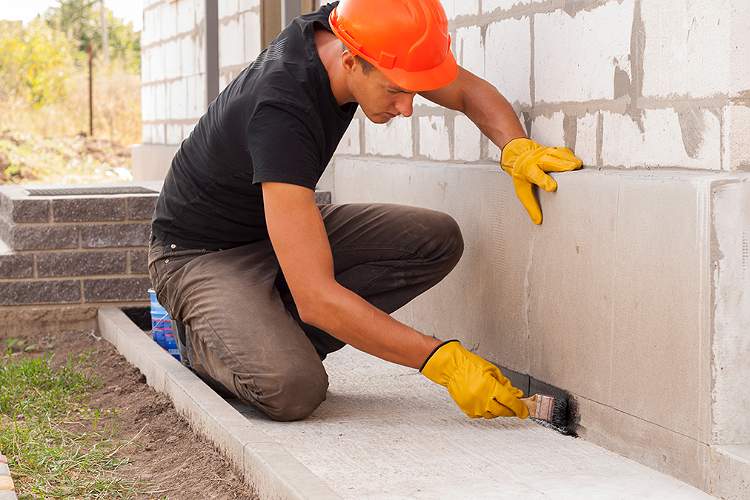
The Challenge of Canadian Foundations
Living in Canada means managing the physical toll that shifting seasons take on a building. The Canadian landscape, from clay-rich soils to regions with high water tables, presents unique challenges for residential foundations. Below the frost line, a constant struggle occurs as groundwater exerts pressure against concrete walls. Without a dedicated strategy for moisture management, even a minor vulnerability can quickly escalate into a significant structural concern.
Hydrostatic pressure is the primary culprit behind most basement moisture issues. When the soil becomes saturated with melting snow or heavy seasonal rain, water is forced inward. This pressure pushes moisture through microscopic pores in the concrete, leading to dampness, efflorescence, and cracks. For many Canadians, interior waterproofing has transitioned from a home improvement luxury to an essential preservation tactic.
The Role of Advanced Drainage Systems
One of the most effective ways to combat rising groundwater levels is through professional french drain installation. This system, integrated during a comprehensive interior waterproofing project, acts as a relief valve for the foundation. By creating a dedicated path for water to follow, the drain intercepts moisture before it can penetrate the floor slab or seep through the footings.
In an interior setup, this typically involves installing a perforated pipe within a trench at the lowest point of the foundation. This pipe is surrounded by gravel to facilitate filtration and leads directly to a sump pump. Experts at Leaquida Waterproofing emphasize that this method is particularly effective in older homes where original exterior clay tiles have degraded. By managing the water table from within, homeowners ensure their basement remains dry regardless of external soil saturation.
Comprehensive Interior Protection
A robust interior defense is about a layered system. Beyond the initial drainage setup, a proper installation includes specialized membranes on the interior walls. These dimpled sheets allow any moisture that penetrates the wall to trickle down safely into the sub-floor drainage system, preventing it from touching your finished walls or flooring.
This approach is a specialty of Leaquida Waterproofing, where the focus is on creating a dry, “closed-loop” environment. When walls are sealed and the floor is protected by an active drainage system, humidity levels drop significantly. This is crucial for preventing black mold, which thrives in damp, poorly ventilated corners. Protecting air quality is just as important as protecting the concrete itself.
Long-term Benefits and Property Value
Investing in professional moisture control provides structural insurance. When water sits against a foundation, it leads to the slow deterioration of concrete and the rusting of reinforcement steel. Over time, this compromises the load-bearing capacity of the walls. By choosing a proactive path, you extend the lifespan of your property and avoid the high costs of major structural rebuilds.
Furthermore, Leaquida Waterproofing helps homeowners transform damp storage areas into high-value living spaces like home offices or guest suites. A documented waterproofing system also serves as a powerful selling point, providing prospective buyers with confidence that the home has been maintained to high standards.
Securing Your Home’s Future
Ultimately, interior waterproofing allows you to regain control over your environment. You cannot change the Canadian climate, but you can change how your home responds to it. By integrating modern materials with proven engineering, you create a barrier that stands the test of time.
Addressing these vulnerabilities today is a strategic move that pays dividends in comfort and health. As extreme weather events become more frequent, a reliable defense system is the best way to ensure your home remains a safe haven for years to come.
