
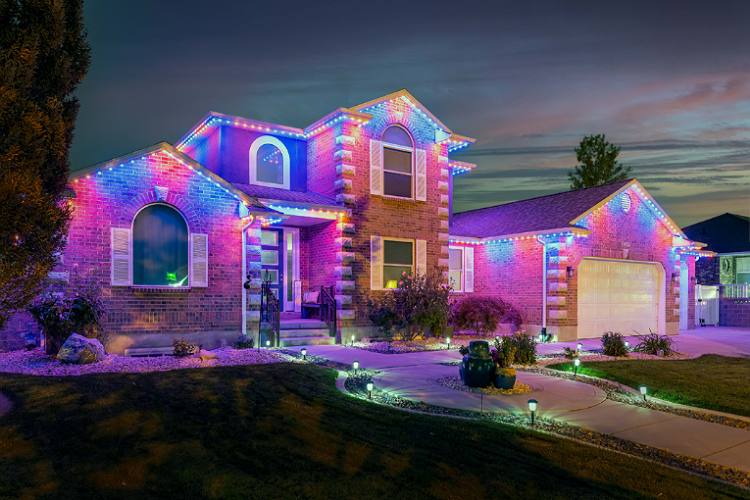
When the sun dips below the horizon, our outdoor spaces don’t have to disappear into darkness. From garden pathways to patios and driveways, lighting plays a critical role in how we experience the exterior of our homes. In recent years, outdoor LED lights have become a popular choice for homeowners seeking efficiency, durability, and style. More than just a modern trend, they represent a practical solution for safer, more sustainable living.
Outdoor lighting has always served essential purposes—guiding footsteps, deterring unwanted activity, and extending usable living space. What makes outdoor LED lights stand out is their ability to achieve these goals while conserving energy and minimizing maintenance. Understanding their uses and importance reveals why they have become a preferred option for exterior illumination.
Enhancing Safety and Visibility
One of the primary reasons people invest in outdoor lighting is safety. Dimly lit walkways, stairs, and entrances can pose serious risks, especially at night. Outdoor LED lights provide consistent and bright illumination that clearly defines pathways and elevation changes.
Unlike older lighting technologies that may flicker or dim over time, LED lights offer stable brightness. This reliability ensures that outdoor areas remain visible and secure. Whether installed along driveways, around pools, or near garden steps, they help prevent trips and falls.
For households with children, elderly family members, or frequent visitors, proper lighting offers peace of mind. Clear visibility fosters confidence when moving through outdoor spaces after sunset.
Energy Efficiency and Cost Savings
The energy economy of outdoor LED lighting is one of its biggest benefits. When compared to conventional incandescent or halogen bulbs, LEDs use a lot less electricity. This efficiency translates into lower utility bills over time.
In addition to reduced energy consumption, LED lights have a much longer lifespan. They often last thousands of hours longer than conventional bulbs, meaning fewer replacements and reduced maintenance costs.
For homeowners seeking environmentally conscious solutions, this efficiency contributes to a smaller carbon footprint. By using less power and generating less heat, outdoor LED lights support sustainable living without sacrificing performance.
Extending Outdoor Living Spaces
Outdoor areas have evolved into true extensions of the home. Patios become dining areas, decks serve as relaxation spots, and gardens transform into entertainment spaces. Adequate lighting is essential for making these spaces functional after dark.
Outdoor LED lights allow homeowners to enjoy their yards well into the evening. String lights can create a cozy atmosphere, while recessed pathway lighting enhances practicality. Spotlights can highlight seating areas or outdoor kitchens.
This ability to extend living space not only enhances lifestyle but also increases the overall usability of the property.
Improving Security
Lighting plays a critical role in deterring unwanted activity. Dark corners and shadowed areas can make properties more vulnerable. Outdoor LED lights strategically placed around entrances, garages, and side yards eliminate hiding spots and increase visibility.
Motion-activated LED fixtures are particularly effective. When triggered, they instantly illuminate areas, drawing attention and signaling activity. This sudden brightness can discourage potential intruders.
A well-lit exterior communicates care and attentiveness, which can contribute to a stronger sense of security for residents.
Highlighting Landscaping and Architecture
Beyond functionality, outdoor LED lights enhance the visual appeal of a property. They can accentuate architectural details, illuminate trees, and bring attention to water features or garden sculptures.
LED technology offers a range of color temperatures, allowing homeowners to choose warm or cool lighting tones. Warm tones create inviting atmospheres, while cooler tones provide crisp, modern illumination.
By layering different types of lighting—ambient, task, and accent—homeowners can achieve depth and dimension in their outdoor design. The result is a visually captivating landscape that shines even after sunset.
Weather Resistance and Durability
Outdoor lighting must withstand various weather conditions, from rain and wind to temperature fluctuations. LED fixtures are often designed with durability in mind. Many are sealed to prevent moisture damage and constructed from materials that resist corrosion.
Because LEDs generate less heat than traditional bulbs, they are less prone to damage from overheating. This resilience makes outdoor LED lights a dependable choice for long-term use.
Durable lighting reduces the need for frequent repairs, offering both convenience and cost savings.
Smart Technology Integration
Modern outdoor LED lights often integrate seamlessly with smart home systems. Homeowners can schedule lighting times, adjust brightness remotely, or control fixtures through mobile devices.
This flexibility enhances convenience while optimizing energy use. For example, lights can be programmed to turn off automatically during daylight hours or dim during late-night periods.
Smart integration also allows for customized lighting scenes, adapting to different occasions or preferences.
Increasing Property Appeal
Thoughtfully designed outdoor lighting can significantly enhance curb appeal. A softly illuminated façade, glowing pathway, or highlighted landscape feature creates a welcoming first impression.
For potential buyers, well-maintained lighting signals attention to detail and care. While lighting alone may not determine property value, it contributes positively to overall perception.
Outdoor LED lights offer a practical way to combine functionality with aesthetic enhancement.
Minimal Maintenance Requirements
Maintenance is often a concern with exterior fixtures. Traditional bulbs may burn out frequently, requiring replacements that can be inconvenient and costly.
LED technology reduces these concerns. With extended lifespans and durable construction, outdoor LED lights require minimal upkeep. Routine cleaning and occasional inspections are usually sufficient to maintain performance.
This low-maintenance aspect makes them an attractive choice for busy homeowners.
Conclusion
Outdoor LED lights represent a thoughtful blend of efficiency, durability, and design. They enhance safety, extend living spaces, and contribute to a welcoming atmosphere. At the same time, they support sustainability through reduced energy consumption and long lifespans.
By investing in well-planned outdoor lighting, homeowners illuminate not only their surroundings but also their commitment to smart, responsible living. In doing so, they create spaces that are safer, more beautiful, and ready to shine long after the sun sets.
