
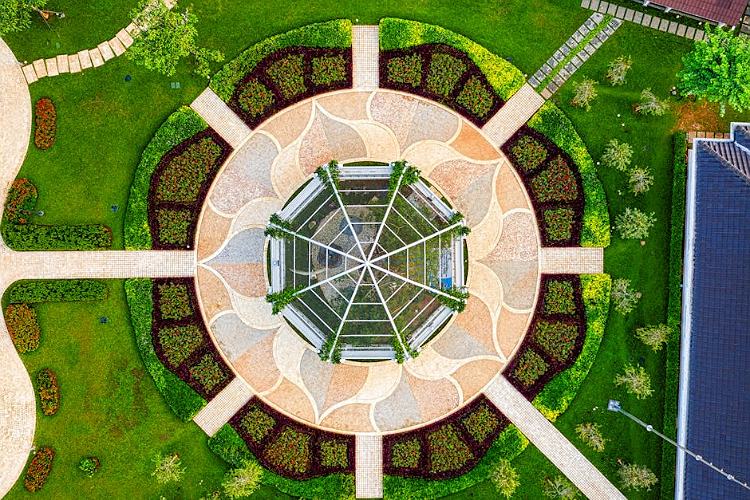
Great design doesn’t happen in isolation. Whether shaping a private garden or a large commercial property, the best outdoor spaces emerge when architecture and landscaping work in harmony. The collaboration between architects and landscape professionals transforms projects from functional layouts into living works of art — spaces that breathe, flow, and connect seamlessly with their surroundings.
Yet in many developments, these two disciplines still operate separately. Architects handle the building envelope; landscapers handle what surrounds it. But when they work together from the start, the results are more cohesive, sustainable, and striking.
A Shared Vision from the Ground Up
Every successful landscape begins with a clear vision — one that considers not just what’s planted, but how it interacts with light, structure, and human movement. Architects bring a deep understanding of spatial balance, materiality, and proportion, while landscapers contribute expertise in ecology, texture, and sensory experience.
When these perspectives merge early in a project, outdoor and indoor environments feel like parts of the same story. Pathways align naturally with entrances, sightlines frame views, and the transition from structure to nature feels effortless.
This is where collaboration pays off. According to experts at KD Architects, landscaping firms can ensure that their creative work complements the architectural intent — not competes with it. The result is a unified composition where buildings and gardens enhance one another rather than existing as separate entities.
Blurring the Boundaries Between Indoors and Outdoors
Modern architecture increasingly emphasizes fluid boundaries between interior and exterior space. Glass façades, open courtyards, and green roofs have blurred the traditional separation between house and landscape.
Landscapers play a vital role in continuing this narrative. Strategic planting can soften harsh lines, frame architectural details, or extend sightlines that make structures feel larger and more welcoming. For example, the placement of a single tree can balance a minimalist façade, while a carefully graded slope can integrate a building into its natural topography.
Architects, in turn, can design structures that respect natural contours and microclimates, reducing environmental disruption. When both teams coordinate from the outset, outdoor spaces cease to be “add-ons” — they become extensions of the architecture itself.
Sustainability: A Shared Responsibility
Sustainability has evolved from a design trend into a moral imperative. Both architects and landscapers are at the forefront of creating eco-conscious spaces, but collaboration maximizes their impact.
Architects may focus on energy efficiency, materials, and water use within the building, while landscapers handle soil health, biodiversity, and stormwater management. When these efforts align, the result is a genuinely sustainable ecosystem.
For example:
- Integrated rainwater harvesting systems can direct roof runoff into landscape irrigation.
- Planting native species reduces maintenance costs and supports local wildlife.
- Thoughtful site orientation minimizes erosion and improves natural cooling.
This shared focus on environmental stewardship not only benefits the planet but also enhances the property’s value and reputation. Clients increasingly demand eco-smart design, and integrated teams deliver it best.
Enhancing Aesthetics Through Collaboration
A well-coordinated project delivers visual unity — that elusive “wow factor” that makes people stop and take notice.
Architects understand massing, rhythm, and geometry. Landscapers understand texture, color, and seasonality. When these skill sets overlap, the visual composition gains depth and dimension. The stone of a building façade might echo the tones of nearby paving; a reflective pool might mirror structural lines; plantings might evolve seasonally to complement the building’s changing light.
Such harmony doesn’t happen by accident. It comes from shared planning sessions, visual mock-ups, and an understanding that both disciplines contribute equally to the end experience.
Functional Design: More Than Just Beauty
Beyond aesthetics, collaboration ensures functionality — that outdoor spaces don’t just look good but work effectively. Architects consider access routes, drainage, and zoning, while landscapers optimize soil structure, plant selection, and long-term maintenance.
Together, they can design spaces that invite use and interaction. A terrace that receives the right amount of shade; a garden path that guides visitors intuitively toward key features; a water feature that doubles as a cooling mechanism. Each element supports both form and function.
Such integration also prevents costly design conflicts later. By planning concurrently, architects and landscapers can avoid mismatched elevations, drainage issues, or clashing materials — problems that often arise when one discipline follows the other too late in the process.
Innovation Through Interdisciplinary Thinking
When creative minds from different disciplines collaborate, innovation thrives. Architects challenge landscapers to think structurally; landscapers remind architects to stay grounded in nature.
This exchange often leads to breakthroughs: green walls that merge art and ecology, sculptural pathways that double as drainage systems, or adaptive outdoor lighting that highlights both architecture and flora. The synergy between structure and environment sparks designs that are not only beautiful but also original.
Bringing Design Disciplines Together
The boundary between architecture and landscaping is no longer a line — it’s a meeting point. The best-designed spaces emerge when creative disciplines overlap, weaving built and natural environments into a single, living design.
For landscaping businesses, collaboration isn’t just about aesthetics — it’s about elevating expertise, sustainability, and value. Working hand-in-hand with architectural partners such as KD Architects opens doors to more innovative, functional, and inspiring projects.
Because true design harmony isn’t about who leads — it’s about how both sides work together to shape something timeless.
