
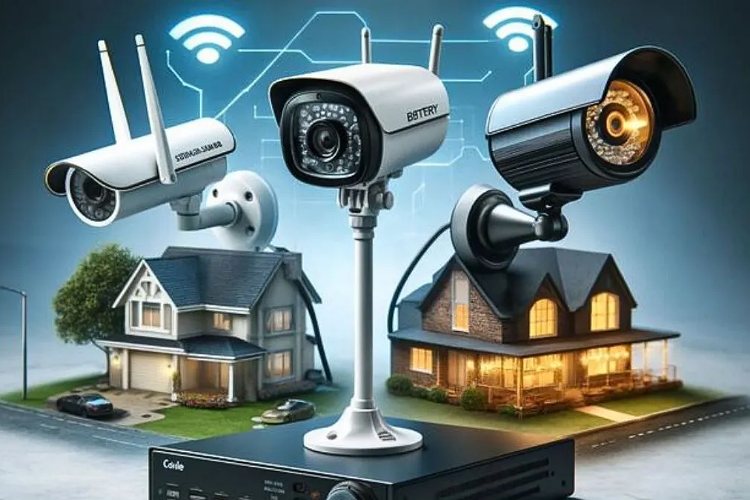
You are not the only one if you are thinking about CCTV camera installation and are unsure if it is really needed in your house or office. Security cameras have become a common choice among the Australian people for improving their security, scaring the criminals away, and getting tranquillity. CCTV systems are the modern security essentials when it comes to safeguarding your property, tracking your deliveries, or even watching pets during your absence.
Why CCTV Cameras Are Becoming Essential in Australia
Over time, security systems that are based on technology have become the most affordable option. CCTV offers a reliable safeguard with the most modern video quality, remote surveillance, and integration with smart homes, all at a price that is not as high as it used to be.
Key reasons people choose CCTV:
- Deterring crime – clearly placed cameras discourage trespassers.
- 24/7 surveillance – monitor your property from anywhere via smartphone apps.
- Evidence collection – in case of incidents, recorded footage is invaluable.
- Insurance benefits – some providers offer reduced premiums for enhanced security.
- Peace of mind – especially important for families and business owners.
Types of CCTV Cameras to Consider
Before you book an installation, it helps to understand the different types of cameras available.
Frequently selected options include:
- Dome Cameras – a subtle indoor camera that works well in commercial areas.
- Bullet Cameras – weatherproof and constructed to be ideal monitoring systems.
- PTZ cameras – for superior range covered through panning, tilting, and zooming.
- Wireless cameras – very easy to install and make great DIY solutions for viewing security.
- IP Cameras – safe, high in resolution, internet-enabled, and smart-home compatible.
Key Factors to Consider Before Installation
Choosing the right system involves more than picking a camera—it requires planning and suitability checks.
Consider:
- Areas of Coverage – point out areas with no surveillance and the least secured ones.
- Conditions of Lighting – in case it is needed, make sure cameras are equipped with night vision.
- Options for Storage – storage on the cloud versus local DVR/NVR systems.
- Quality of Resolution – better resolution equals more legible proof.
- Budget – balance features with affordability.
Professional vs DIY Installation
Both of the options have their useful benefits. However, the primary concern hinges upon complexity juxtaposed with familiarity in terms of technology.
DIY Installation
- Affordable
- Good for small spaces
- Easy with wireless cameras
Professional Installation
- Ensures proper positioning
- Better for large homes or businesses
- Includes wiring, integration and troubleshooting
- Provides expert advice on security needs
Steps Involved in CCTV Installation
Understanding the procedure allows for your proper and effective preparation.
- Site assessment – detect weak points of entry.
- Camera positioning – positioning that guarantees cameras cover broad, useful areas.
- Mounting and wiring – strong support for long-lasting performance.
- System setup – link DVR/NVR or cloud platforms and cameras.
- Testing – verify sharp visuals and smooth remote connectivity.
Your First Step Towards a Safer Property
An efficient CCTV system will provide you with the desired security, comfort and peace of mind for a long time. If you’re looking for surveillance for your house, monitoring a business or just wanting to be more aware of your surroundings, installing a CCTV system will always be a wise choice. Do you want to make your area safe? Look into professional CCTV camera installation services now and make the first move towards a more secure place.
