
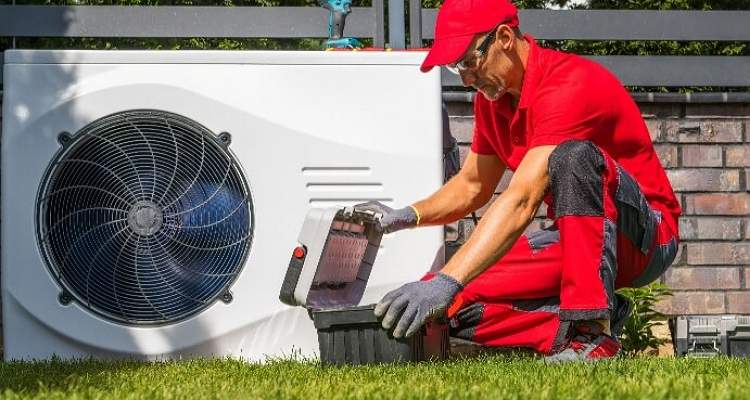
Heat pumps are essential for year-round comfort in Frisco, TX, providing both heating in winter and cooling in summer. However, like any mechanical system, heat pumps can fail unexpectedly. When a system breaks down, it can leave homeowners uncomfortable and increase energy costs. This guide will help homeowners understand emergency heat pump repair, common issues, warning signs, and steps to take when a system fails. Proper knowledge ensures safety, efficiency, and longer equipment life.
Why Emergency Heat Pump Repair Is Critical
Heat pumps operate using electricity, refrigerant, and moving parts, meaning a failure in any component can affect overall performance. Ignoring minor issues can escalate into costly repairs or even require complete replacement.
Emergency repairs are necessary when:
- The system stops producing heat or cooling during extreme weather
- Strange noises or burning smells are present
- There is water leakage or electrical issues
Early action prevents damage to other HVAC components and ensures consistent home comfort.
Common Causes of Emergency Heat Pump Repairs
1. Refrigerant Leaks
Refrigerant is crucial for transferring heat. A leak reduces efficiency and can cause the system to stop heating or cooling.
Signs:
- The system runs longer than usual but fails to reach the temperature
- Ice buildup on coils
- Hissing sounds near the outdoor unit
Solution:
A licensed technician locates and repairs leaks, refills refrigerant, and tests system performance.
2. Compressor Failure
The compressor is the “heart” of a heat pump. When it fails, the system can’t transfer heat effectively.
Signs:
- No airflow or temperature change
- Loud banging or humming from the outdoor unit
Solution:
Professional inspection is needed. Compressor repairs are complex and usually require replacement rather than DIY fixes.
3. Electrical Failures
Heat pumps rely on multiple electrical components: circuit boards, relays, capacitors, and wiring. Electrical faults can cause total shutdowns or intermittent operation.
Signs:
- System won’t start
- Frequent tripping of breakers
- Sparks or burning smells
Solution:
Turn off the power immediately. A licensed technician inspects wiring, replaces faulty components, and ensures safe operation.
4. Frozen Coils
Frozen evaporator or condenser coils can prevent airflow and reduce heat transfer. This is common in winter or high-humidity conditions.
Signs:
- Ice forming on indoor or outdoor coils
- Reduced heating or cooling output
- Strange noises as the blower struggles
Solution:
Turn off the system and allow the ice to melt. Schedule professional service to check airflow, refrigerant levels, and defrost system operation.
5. Fan or Blower Malfunctions
Fans distribute conditioned air throughout the home. A malfunctioning blower reduces comfort and can damage the system.
Signs:
- Weak airflow from vents
- Unusual rattling or squealing noises
- Overheating or system shutdown
Solution:
Technicians inspect and repair the motor, belts, or fan assembly.
6. Thermostat Issues
Faulty thermostats can prevent the heat pump from starting or running efficiently.
Signs:
- System ignores temperature settings
- Rapid cycling on and off
- No response to thermostat adjustments
Solution:
Replace batteries, recalibrate, or install a new programmable thermostat with professional guidance.
7. Drainage Problems
High-efficiency heat pumps produce condensation. Clogged or damaged condensate lines can cause water damage or system shutdown.
Signs:
- Water pooling near the indoor unit
- Musty odors
- Frequent system errors
Solution:
Clear blocked drains and inspect for leaks. Professionals may install condensate pumps if needed.
8. Ductwork Issues
Blocked, leaky, or poorly insulated ducts reduce efficiency and cause uneven heating or cooling.
Signs:
- Hot or cold spots in the home
- Dust accumulation around vents
- Increased energy bills
Solution:
Schedule duct inspection and sealing. Proper airflow prevents emergency repairs and improves indoor comfort.
9. Noise Problems
Unusual sounds often indicate failing components.
Types & Causes:
- Grinding: Blower or motor issues
- Hissing: Refrigerant leak
- Rattling: Loose panels or debris
Solution:
Turn off the system and call a professional. Ignoring noises may lead to major mechanical failure.
10. Age-Related Failures
Heat pumps older than 10–12 years are prone to multiple failures. Components wear down, reducing efficiency and increasing emergency repairs.
Signs:
- Frequent breakdowns
- Higher energy bills
- Inconsistent heating or cooling
Solution:
Consider replacement if repairs become frequent. Modern units are more energy-efficient and reliable.
Steps Homeowners Should Take During an Emergency
- Turn off the system: Prevent further damage.
- Check the thermostat: Ensure it’s set correctly.
- Inspect filters and vents: Clear obstructions.
- Check the breaker or fuse box: Ensure power supply is intact.
- Call a licensed professional: Avoid DIY repairs on electrical or refrigerant components.
- Document symptoms: Note noises, odors, or error codes for the technician.
Preventive Tips to Avoid Emergency Repairs
- Schedule annual maintenance: Professional tune-ups prevent major failures.
- Change filters regularly: Every 30–90 days, depending on usage.
- Monitor airflow and temperature: Catch issues early.
- Clear debris around the outdoor unit: Prevent airflow restriction.
- Check refrigerant levels: Ensure system efficiency and prevent frozen coils.
- Upgrade older units: Modern heat pumps reduce emergency risks.
Why Professional Emergency Heat Pump Repair Matters
While small maintenance tasks are homeowner-friendly, most emergencies require licensed technicians. Improper handling of electrical, refrigerant, or mechanical components can cause:
- Safety hazards
- Fire or gas risks
- Further damage to the system
- Voiding warranties
Professional repair ensures correct diagnosis, safe handling, and reliable performance.
Conclusion
Emergency heat pump repair is a crucial aspect of home comfort and safety in Frisco, TX. Recognizing warning signs, understanding common causes, and taking proactive steps can prevent costly repairs and system failures. Homeowners should prioritize maintenance, monitor system performance, and contact trusted professionals when emergencies arise. For residents seeking expert service, companies like Air Repair Pros in Frisco, TX, offer reliable emergency heat pump repair, maintenance, and replacement guidance — ensuring homes stay comfortable, safe, and energy-efficient year-round.
