
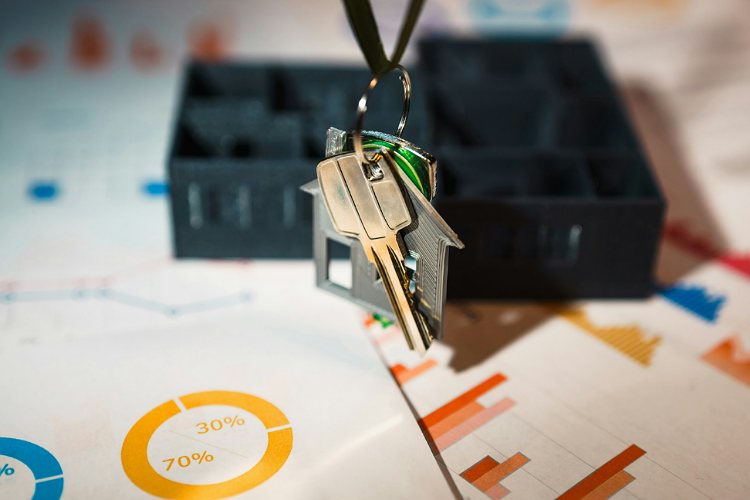
Owning a home is a major milestone. It gives you stability, a place to build memories, and a sense of belonging. But beyond being a comfortable place to live, a home is also one of the most valuable financial assets most people will ever own. Over time, while homeowners focus on daily life, mortgage payments, and upkeep, something else is building quietly in the background: home equity.
Many people don’t give much thought to the equity in their home until they need it. Yet understanding how it works can open up opportunities and give you more control over your financial future. Whether you’re planning for retirement, facing rising expenses, or simply looking for ways to strengthen your long-term financial security, home equity can play a bigger role than you might think.
What Home Equity Really Means
Home equity is the portion of your home that belongs to you, not the bank. Every mortgage payment increases your ownership stake, and rising property values can add even more. For many long-time homeowners, this equity eventually becomes one of their biggest financial resources.
There are different ways to access this equity depending on your goals and your stage of life. Some people use home equity loans or lines of credit. Others refinance or consider downsizing. Older homeowners also have options tailored to them. One example is a reverse mortgage, which allows homeowners aged 62 or older to use a portion of their home equity without having to move or take on monthly mortgage payments. If you want to explore whether this option could fit your situation, many helpful guides are available that explain the requirements in simple terms.
The bottom line is that home equity isn’t locked away forever. When used wisely, it can support your goals and make life a little easier.
Why Home Equity Matters
Home equity tends to become even more important later in life. After decades of making payments, many homeowners find that their mortgage is mostly paid off just as retirement expenses begin to rise. Healthcare, home repairs, and everyday living costs can add up quickly, and having equity to fall back on can offer peace of mind.
Home equity also grows in a fairly steady way. While the housing market can fluctuate, long-term trends have shown that home values generally rise over time. This makes equity one of the more dependable forms of wealth, especially compared to investments that swing up and down.
But the real value of home equity lies in its flexibility. It can help pay for home improvements, assist family members, reduce debt, or supplement retirement income. With the right approach, it becomes a practical tool that supports your quality of life.
Different Ways to Use Home Equity
Choosing the best way to tap into your equity depends on what you need and what makes the most sense for your financial situation.
Home equity loans are straightforward. They offer a lump sum with a fixed interest rate, which can be helpful for planned projects or debt consolidation.
Home equity lines of credit (HELOCs) give you access to funds as needed, similar to a credit card secured by your home. This works well for ongoing expenses or long-term projects.
Cash-out refinancing replaces your existing mortgage with a new one and gives you access to some of your equity in cash. This can be useful if you qualify for a better interest rate or want to combine refinancing with borrowing.
Downsizing is an additional potential. Selling a larger house and moving into something smaller can free up a significant amount of equity while reducing living costs and upkeep duties.
For older homeowners, a reverse mortgage can make it possible to stay in the home you love while turning part of your equity into usable funds. Because this option doesn’t require monthly mortgage payments, it can be especially helpful for those living on a fixed income. As mentioned earlier, helpful guides are widely available if you’re curious about the qualifications.
Each option has its own advantages and considerations. The right one depends on your goals and how long you plan to stay in your home.
When Homeowners Consider Using Their Equity
Most people begin thinking about their home equity when life changes or financial pressure grows. Rising expenses, medical bills, or reduced income in retirement are all common reasons to explore these options. Home equity can act as a cushion, helping you cover essential needs without dipping into savings too quickly.
There are also positive reasons to access home equity. You might want to help a child with college expenses or support a family member buying their first home. Maybe you’re finally ready to remodel your kitchen or make accessibility updates so you can age comfortably in place. In these situations, using home equity can help you maintain control over your lifestyle and make choices that feel right for you.
Using Your Home Equity Wisely
Before tapping into your equity, it’s important to think through the long-term impact. Borrowing more than necessary can limit your financial flexibility later. Comparing interest rates, fees, and repayment terms can help you make the most informed decision.
It also helps to consider how long you plan to stay in your home. Some options make sense only if you’re staying put for several years. Others work well even if you expect to move within a shorter period. Understanding your home’s value, your remaining mortgage balance, and your retirement plans will help guide you toward the option that fits best.
Speaking with a financial advisor or a housing counselor is also a smart step. They can help you weigh the pros and cons based on your goals and make sure you feel confident in your decision.
Final Thoughts
Your home is more than a roof over your head. It’s a financial foundation that can support your plans, your stability, and your future. Home equity takes time to build, but once it’s there, it can become one of your strongest assets.
By understanding what home equity is and how to use it wisely, you give yourself more control over your financial life. Whether you’re preparing for retirement, planning improvements, or just exploring your options, learning how your home’s value works for you can open doors and provide long-term peace of mind.
