For any business owner, maintaining a clean and safe environment for employees and customers is one of the top priorities. While traditional cleaning methods are essential, they often fall short. Wiping down surfaces can leave behind invisible pathogens, and reaching every nook and cranny is nearly impossible. This is where advanced disinfection methods come into play. Disinfectant fogging offers a comprehensive solution, ensuring that your commercial spaces are not just visibly clean but hygienically safe.
This article explores how advanced fogging technology can keep your business germ-free. We will delve into how fogging works, its benefits, and why it is becoming an indispensable part of modern hygiene protocols for businesses committed to the highest standards of safety.
Does Fogging Actually Work? The Science of Disinfection
The simple answer is yes, disinfectant fogging works, and it is highly effective. Unlike traditional cleaning, which relies on manual application, fogging disperses a disinfectant as a fine mist that settles on all surfaces, including those that are hard to reach. This process ensures comprehensive coverage, neutralising harmful microorganisms that manual cleaning can miss.
What is Antimicrobial Fogging?
Hannah from LLCSLTD said “Antimicrobial fogging is a process that uses specialised equipment to release a fog, vapour, or mist of a disinfectant solution. The tiny droplets in this fine mist remain suspended in the air for a period before settling on all surfaces within the space. “This method targets both air and surfaces, effectively killing a wide range of harmful bacteria, viruses, and other pathogens. The goal is to achieve a thorough disinfection that provides lasting protection and peace of mind.
How Does Disinfectant Fogging Work?
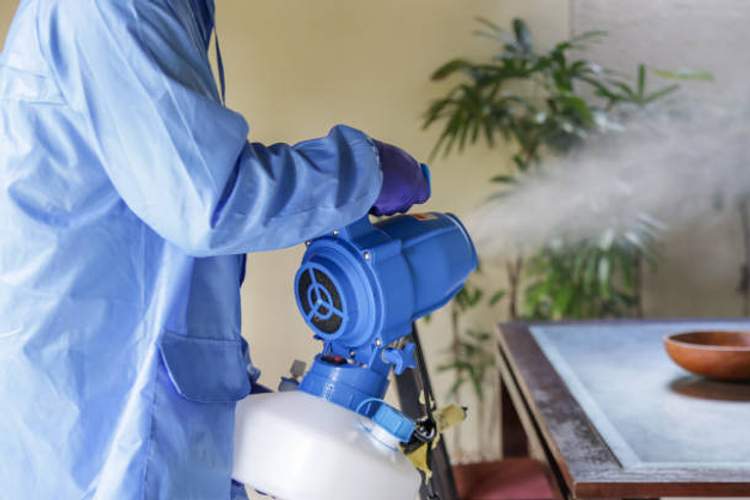
The fogging process uses a fogging machine to atomise a liquid disinfectant into tiny droplets, creating a mist that blankets an entire room. This advanced technology ensures that the disinfectant reaches every surface, corner, and crevice.
The Disinfection Process
- Preparation: The area to be treated is first prepared. This may involve a preliminary deep cleaning and ensuring the space is unoccupied.
- Application: A trained technician, wearing full PPE including eye protection, uses a fogging machine to fill the room with a fine mist of a hospital-grade disinfectant.
- Dwell Time: The disinfectant is left to settle on all surfaces for a specified “dwell time.” This is the period required for the disinfectant to effectively kill germs and pathogens.
- Ventilation: After the dwell time, the space is ventilated to clear any remaining mist from the air. The area is then safe for re-entry.
The result is a comprehensively disinfected space, significantly reducing the risk of cross-contamination.
Types of Fogging Technology
There are several application methods for fogging, each with its own advantages. The two most common are thermal fogging and electrostatic fogging.
Thermal Fogging
Thermal fogging uses heat to vaporise a disinfectant solution, creating a dense cloud of ultra-fine mist. The fogging machine heats the disinfectant, which is then released into the atmosphere. This method is excellent for covering large areas quickly and is effective at killing airborne bacteria and pathogens. Thermal fogging is widely used in various settings, from healthcare facilities to large public spaces.
Electrostatic Fogging
Electrostatic fogging is a more advanced technology that gives disinfectant droplets an electrical charge as they leave the fogging machine. Most surfaces have a neutral or negative charge, so the positively charged droplets are magnetically attracted to them. This creates a “wrapping” effect, where the disinfectant evenly coats all sides of an object, including hard-to-reach areas. This superior coverage makes electrostatic fogging extremely efficient, using less disinfectant while achieving better results.
Is Disinfectant Fogging Safe?
Safety is a primary concern for any business owner. When performed correctly by trained professionals using the right products, disinfectant fogging is completely safe.
Use of Non-Toxic Products
Professional fogging services use hospital-grade disinfectants that are powerful against germs but non-toxic and non-corrosive once the service is complete. These products are chosen for their effectiveness and their safety profile, ensuring they do not leave behind harmful residues on surfaces or in the air. The treated space becomes a safe environment for everyone.
No Harmful Residues
One of the key benefits of modern fogging is that it leaves no sticky residue or unpleasant odours. The fine mist evaporates after the dwell time, leaving surfaces clean, disinfected, and ready for use. This makes it ideal for use on a wide range of materials, including sensitive surfaces and soft furnishings, without causing damage.
Key Benefits of Fogging for Your Business
Incorporating disinfectant fogging into your hygiene strategy offers numerous advantages over relying solely on traditional cleaning.
- Comprehensive and Effective Disinfection
Fogging provides a level of thorough disinfection that manual cleaning cannot match. It reaches areas that are often missed, such as ceilings, high shelves, and complex equipment. This effective protection against a wide spectrum of pathogens, including viruses that cause the common cold, helps businesses maintain the highest hygiene standards.
- Time and Cost Efficiency
Disinfectant fogging can treat a large area in a fraction of the time it would take to manually wipe all surfaces. This efficiency means less downtime for your business. While there is an upfront cost for the fogging service, it can be more cost-effective in the long run by preventing illness-related absenteeism and demonstrating a commitment to safety that builds customer trust.
- Enhanced Safety and Peace of Mind
For any business owner, ensuring the well-being of staff and clients is paramount. Regular fogging helps maintain a healthy environment by significantly reducing the presence of germs. This provides complete peace of mind, knowing you have taken an extra step to protect everyone in your facility. This commitment to safety can be a powerful differentiator for your brand.
- Improved Air Quality
Fogging does more than just clean surfaces; it also sanitises the air. The process helps to eliminate airborne pathogens and can neutralise odours, leaving the air fresh and clean. This is particularly beneficial in high-traffic commercial spaces where air quality can quickly deteriorate.
- Versatility Across Industries
Disinfectant fogging is not limited to a specific type of business. It is invaluable in:
- Healthcare Settings: Where controlling infection is critical.
- Offices: To reduce the spread of illness among employees, especially in shared spaces.
- Schools and Nurseries: To protect children and staff from common germs.
- Gyms: To disinfect shared equipment and changing rooms.
- Hospitality: To assure guests that rooms and public areas are hygienically clean.
Integrating Fogging with Your Cleaning Services
Disinfectant fogging is most effective when used as part of a comprehensive cleaning strategy. It is not a replacement for regular cleaning but rather a powerful enhancement.
A Layered Approach to Hygiene
- Regular Cleaning: Daily tasks like wiping surfaces, vacuuming, and cleaning restrooms are still necessary to remove dirt and grime.
- Deep Cleaning: Periodic deep cleaning should be performed to tackle more intensive cleaning tasks.
- Disinfectant Fogging: Regular fogging treatments should be scheduled to provide a final, comprehensive layer of disinfection, killing any remaining invisible pathogens.
This combined approach ensures that your business is clean on the surface and hygienically safe at a microbial level.
What to Look for in a Fogging Service
When choosing a provider for your disinfection needs, it is important to select a reputable company.
- Trained Technicians: Ensure they have experience and are properly trained in using the equipment and handling disinfectants.
- High-Quality Disinfectants: Ask what products they use. They should be hospital-grade, proven effective against a broad range of pathogens, and non-toxic.
- Customised Service: A good provider will assess your needs and recommend a schedule and method (e.g., thermal fogging or electrostatic fogging) that suits your business.
- Safety Protocols: They should have clear safety procedures, including the use of PPE and guidelines for re-entry into the treated space.
Conclusion: A Proactive Step for a Healthier Business
In today’s world, a commitment to hygiene is non-negotiable. Advanced fogging technology provides an effective, efficient, and safe way to keep your business germ-free. By reaching every surface with a powerful disinfectant, it goes beyond the limitations of traditional cleaning methods, offering a superior level of protection against harmful bacteria and viruses.
Investing in regular fogging helps maintain a healthy environment, reduces the risk of illness, and provides invaluable peace of mind for you, your employees, and your customers. It is a proactive investment in the health and safety of your business, demonstrating a level of care that sets you apart.
