
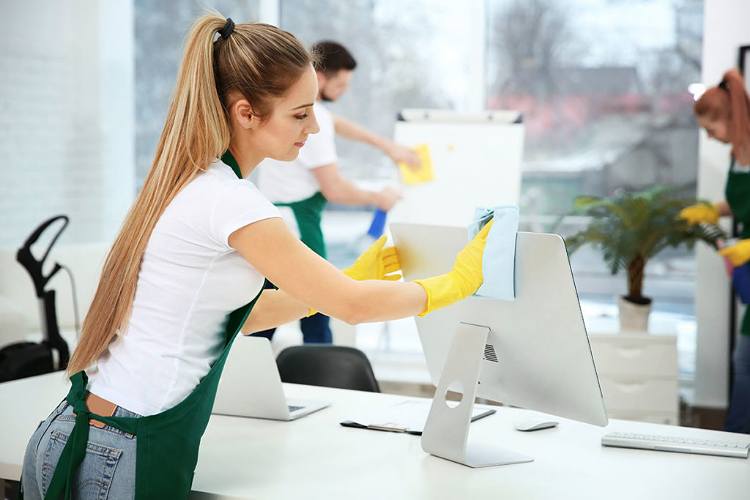
Workplace environments bring together people, shared surfaces, and daily routines that can easily contribute to the spread of illness if cleanliness is not maintained properly. Offices, warehouses, retail stores, and other commercial spaces often experience constant foot traffic, making them vulnerable to bacteria, viruses, and allergens. Maintaining a clean environment is not only about appearance but also about safeguarding employee health and productivity. When cleaning practices are consistent and thorough, the risk of illness transmission decreases significantly. Businesses that prioritize cleanliness create a healthier atmosphere where employees can perform their tasks without unnecessary exposure to harmful contaminants or environmental hazards.
Clean Workplaces Reduce Illness Risk
1. Health-Focused Cleaning Practices
A clean workplace begins with structured cleaning routines that focus on high-contact surfaces such as desks, door handles, keyboards, and shared equipment. These areas can harbor bacteria and viruses that spread quickly among employees if left untreated. Commercial cleaning practices involve regular disinfection, ensuring that surfaces are not only visibly clean but also free from harmful microorganisms. In offices where multiple individuals use the same tools or spaces, this level of attention plays a vital role in maintaining overall health. Many organizations rely on reputable commercial cleaning services in Los Angeles to maintain consistent sanitation standards, especially in high-traffic environments where daily cleaning alone may not suffice. By addressing these critical areas, workplaces can reduce the likelihood of illness spreading through casual contact.
2. Reducing Airborne Contaminants
Air quality is another important factor that affects workplace health. Dust, allergens, and airborne particles can accumulate over time, particularly in buildings with limited ventilation or heavy use. Commercial cleaning services often include air-focused tasks such as vacuuming with high-efficiency filters, cleaning vents, and removing dust from frequently overlooked surfaces. These measures help prevent respiratory issues and allergic reactions among employees. When air quality improves, individuals experience fewer symptoms such as coughing, sneezing, and irritation, which can otherwise cause discomfort and reduce productivity. Clean air supports a more comfortable and healthier workspace, allowing employees to focus on their responsibilities without being affected by environmental irritants.
3. Preventing Cross-Contamination
Cross-contamination occurs when germs are transferred from one surface or person to another, often through shared tools or improper cleaning methods. In a workplace setting, this can happen quickly if cleaning materials are reused without proper sanitation or if certain areas are neglected. Commercial cleaning practices are designed to prevent this by using designated cleaning tools for different spaces and ensuring that disinfectants are applied correctly. For example, restrooms, break rooms, and workstations require different cleaning approaches to prevent the spread of contaminants. By following structured cleaning protocols, workplaces can minimize the transfer of harmful microorganisms and create a safer environment for everyone. This level of detail is essential in maintaining hygiene across all areas of a commercial space.
4. Supporting Employee Well-Being
A clean workplace does more than prevent illness; it also contributes to overall employee well-being. When employees feel that their environment is clean and cared for, they are more comfortable and confident in their surroundings. This sense of security can reduce stress and improve morale, which indirectly supports better health. Employees are less likely to worry about exposure to germs or allergens, allowing them to focus on their tasks more easily. Additionally, a well-maintained workspace reflects a company’s commitment to the people who work there. This can lead to higher job satisfaction and a stronger sense of responsibility among employees to maintain cleanliness in their own areas.
5. Consistency in Cleaning Standards
Consistency plays a crucial role in preventing workplace illness. Occasional cleaning is not enough to maintain a healthy environment, especially in busy commercial spaces. Regular and scheduled cleaning ensures that contaminants do not have the opportunity to build up over time. This includes daily cleaning of high-contact areas, periodic deep cleaning, and ongoing monitoring of hygiene standards. When cleaning routines are consistent, the risk of sudden outbreaks of illness is reduced. Employees benefit from a stable and predictable level of cleanliness, which supports long-term health and productivity. Businesses that maintain consistent cleaning standards create an environment where illness prevention becomes part of the daily routine rather than a reactive measure.
6. Targeting High-Risk Areas
Certain areas within a workplace are more prone to contamination than others. Restrooms, kitchens, and shared meeting spaces often see higher use and require more frequent attention. Commercial cleaning services focus on these high-risk zones by applying thorough cleaning and disinfection techniques. In restrooms, for example, surfaces must be sanitized regularly to prevent the spread of bacteria. In kitchens or break rooms, cleaning efforts must address food-related contaminants that can lead to illness. By targeting these specific areas, cleaning practices become more effective in reducing overall health risks. Addressing high-risk zones ensures that the most vulnerable parts of a workplace are kept under control.
7. Enhancing Long-Term Workplace Health
Maintaining a clean environment over time contributes to long-term health benefits for employees. When workplaces invest in regular cleaning, they reduce the frequency of illness-related absences and improve overall productivity. Employees who work in clean environments are less likely to experience recurring health issues caused by poor hygiene or environmental factors. Over time, this creates a more stable workforce and reduces disruptions caused by sick leave. Long-term cleanliness also supports better maintenance of the workplace itself, preventing the buildup of dirt and contaminants that can damage surfaces and equipment. By focusing on long-term health, businesses can create a sustainable and productive work environment.
A Cleaner Workplace Culture
Cleanliness in the workplace can influence behavior and encourage employees to adopt healthier habits. When a workspace is consistently maintained, employees are more likely to follow good hygiene practices such as cleaning their own desks, washing their hands regularly, and avoiding clutter. This shared responsibility contributes to a culture where cleanliness becomes part of the daily routine. A clean environment sets expectations for everyone in the workplace, promoting accountability and awareness. Over time, this culture helps reinforce the importance of hygiene and illness prevention, creating a positive cycle that benefits both employees and the organization as a whole.
Commercial cleaning plays a significant role in preventing workplace illness by addressing both visible dirt and hidden contaminants that can affect employee health. Through consistent cleaning routines, attention to high-contact surfaces, and improved air quality, workplaces can reduce the spread of germs and create a safer environment. Targeting high-risk areas and preventing cross-contamination further strengthen these efforts, ensuring cleanliness is maintained throughout the workplace. A clean environment not only supports physical health but also contributes to employee comfort and morale. By prioritizing cleanliness, businesses can foster a healthier, more productive workplace where employees can perform their tasks without unnecessary health risks.
