
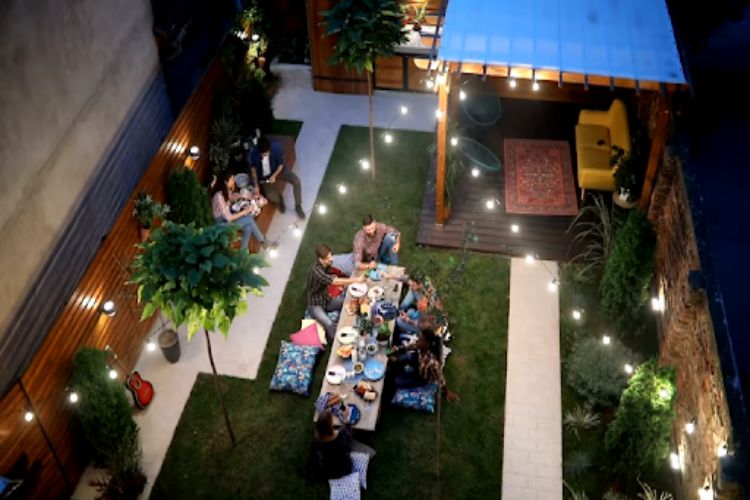
A great outdoor entertaining space feels easy. People settle in without being directed. Conversations flow. Food moves smoothly from inside to out. There is room to sit, stand, laugh, and relax. The problem is that many backyards look good but fall apart once guests arrive. Seating feels awkward. Lighting is harsh or missing. Everyone crowds the same spot. The good news is that it rarely needs a complete overhaul. A few thoughtful changes to layout, lighting, and comfort can turn an underused yard into a place people genuinely love spending time in.
Start With How You Actually Entertain
Before you move a single chair, think about how you really use your outdoor space. Are you hosting casual weekend BBQs with mates, long Sunday lunches with family, or low-key evening drinks with neighbors? How many people typically show up? Do kids need room to move around, or is this more of an adults-only zone?
These details shape everything from furniture choices to layout. A space designed for standing and mingling looks completely different from one built for seated dinners.
When you’re clear on your entertaining style, every decision becomes easier and more intentional.
Get the Layout and Flow Right First
Layout sets the tone for everything else. Guests should move easily between the kitchen, BBQ, table, and seating without crossing paths or squeezing past furniture. Clear walkways reduce stress and keep hosts relaxed. Creating loose zones helps, too.
One area for eating, another for lounging, and space for standing chats near food or drinks. Doors and prep areas should never become choke points. Before buying anything new, try shifting what is already there.
Walk the path a guest would take on arrival. Good flow feels invisible, but it makes entertaining noticeably easier for everyone.
Choose Furniture That Invites People to Stay
Forget matching sets. The best outdoor furniture is flexible, comfortable, and easy to move. Mix seating types—a bench here, a few chairs there, maybe a low lounge for relaxed conversation.
Prioritize comfort over aesthetics. Cushions should be plush enough to keep people seated but easy to pack away when the weather turns. Lightweight chairs let you quickly reconfigure for the occasion. Tables should work for both dining and casual drinks.
Opening up your indoor living area with bifold doors online can instantly create a seamless, breezy connection to your outdoor entertaining space.
Use Lighting to Change the Mood
Lighting transforms your outdoor space from functional to magical. Layer it thoughtfully: task lighting over the BBQ and dining table, ambient lighting for warmth, and accent lights to highlight plants or architecture.
String lights, lanterns, and soft wall-mounted fixtures create an atmosphere without glare. Avoid harsh downlights that cause people to squint or feel exposed. Solar options are cost-effective and easy to use.
Proper lighting encourages guests to stay longer, especially after sunset.
Design for Weather, Not Just Sunny Days
An outdoor space you can use for only three months a year isn’t much of an investment. A truly usable outdoor space works across changing conditions.
Shade is essential, whether through umbrellas, sails, or a pergola. Wind direction matters more than many realize, especially around seating zones. Even small screens or planting can make a difference.
For cooler evenings, outdoor heaters, fire pits, or simple throws extend comfort without fuss.
Materials should withstand sun, rain, and temperature changes without needing constant maintenance or upkeep.
Flexible solutions are often preferable to permanent structures. Areas that adapt easily stay in use far more often than those reserved only for perfect weather.
Add Personality Without Clutter
This is where your space starts to feel like yours. Add greenery in pots or garden beds to soften hard edges and bring life to the area. An outdoor rug defines zones and adds warmth underfoot.
Cushions in a cohesive color palette tie everything together without overthinking it. Keep the décor intentional—fewer, better-chosen pieces always look more polished than a crowded setup. Stick to low-maintenance plants and materials that won’t demand constant attention.
The goal is personality, not perfection. Let the area reflect how you live, not how a magazine says it should look. Restraint is your friend here.
Your outdoor entertaining space doesn’t need to be finished to be functional. You can start with one change: better lighting, a furniture shuffle, or a splash of greenery, and build from there. Great spaces evolve as you use them and learn what works. Focus on comfort, connection, and ease of relaxation. Trends fade, but a backyard where everyone feels welcome never goes out of style. Start small, stay practical, and enjoy the process.
