
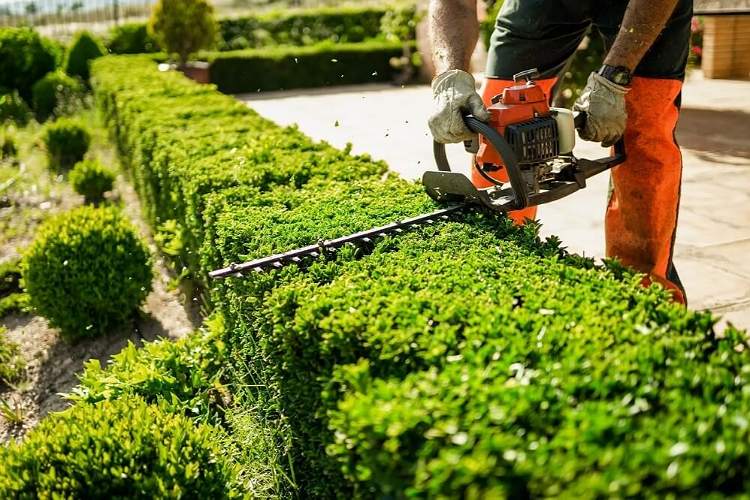
Hedges form the backbone of American gardens, providing privacy, structure, and wildlife habitat while defining outdoor spaces with living architecture. Yet achieving consistently healthy, attractive hedges requires more than occasional trimming—it demands understanding seasonal timing, proper technique, and equipment care that many gardeners overlook.
Whether managing formal box edging or sprawling native hedgerows, the principles of effective hedge maintenance combine horticultural knowledge with practical tool management to deliver results that enhance both garden aesthetics and ecological value.
Understanding Seasonal Hedge Trimming
Timing hedge cuts appropriately protects wildlife, promotes plant health, and ensures optimal regrowth. The optimal periods for trimming generally align with cooler months, particularly between September and February, helping avoid the bird nesting season while minimizing plant stress.
Spring and Summer Considerations
Wildlife experts advise against cutting hedges between March and August to avoid disturbing nesting birds. If trimming becomes essential during this period, thoroughly check for wildlife, especially nesting birds, before commencing work. This precaution reflects both legal protections under the Migratory Bird Treaty Act and ethical gardening practices that support biodiversity.
For maintenance trimming—the annual or twice-yearly cuts that keep established hedges tidy—the best time falls between spring and summer for most species. Fast-growing hedges such as privet and Leyland cypress may require trimming three times yearly: late spring, early summer, and fall. This frequent attention prevents excessive growth that becomes difficult to manage and maintains the formal appearance many gardeners desire.
Fall and Winter Trimming Windows
Fall, from September to November, represents the preferred trimming period for many hedge types, preparing plants for winter while supporting healthy regrowth. This timing allows hedges to develop protective calluses over cuts before frost arrives, reducing disease risk while ensuring energy reserves support spring growth.
Winter trimming, during dormant periods from December to February, minimizes stress on plants and can lead to lush growth in spring. Deciduous hedges such as beech, hawthorn, and hornbeam particularly benefit from late winter to early spring pruning, around February to March. This structural pruning gives hedges time to regenerate and fill out during the growing season. Native hedges including hawthorn, hazel, and viburnum should be trimmed in fall or winter when growth has ceased.
Hedge Trimming Techniques for Professional Results
Proper technique transforms hedge trimming from a chore into an art form that enhances garden appearance. Understanding how to approach different hedge sections ensures even growth and prevents common problems like bare patches at the base.
Creating the Ideal Hedge Profile
When trimming hedges, shape matters as much as size. Always taper sides slightly so the base remains wider than the top, ensuring daylight reaches lower portions. This pyramid shape promotes equal sunlight exposure, preventing lower branches from becoming weak and sparse while maintaining dense, bushy growth from ground to crown.
Without this taper, hedges develop thin, gappy bases as shaded lower branches decline while top growth flourishes. Even simple rectangular hedges benefit from subtle tapering that creates healthier, more attractive plants requiring less renovation work over time.
Vertical Trimming Technique
For the vertical sides of medium-height hedges, trim upwards in arcing movements to cut flat faces cleanly. This approach provides better control than downward strokes while naturally following the plant’s growth pattern. Use long, sweeping motions with trimmers, moving them vertically or diagonally for consistent results.
When working on high hedges with long-reach equipment, adjust the cutter bar to appropriate angles depending on distance. Working at close range requires straight cuts, while distance trimming benefits from angled blade positions that improve reach and visibility.
Addressing Growth Patterns
On side shoots only, cut back new growth by two thirds during formative years, leaving main stems to grow until the hedge reaches desired height. This selective
approach builds strong structure while encouraging dense branching that creates effective screening.
Occasionally, hedges develop gaps or thin spots requiring targeted intervention. Selectively prune branches within thicker areas to allow light and air circulation, but avoid removing excessive foliage at once, as this exposes inner branches to potential damage. The only way to rejuvenate irregular, patchy, or misshapen hedges involves radical hard trimming followed by reshaping, though caution applies with conifers that won’t regenerate from old wood—yew being the notable exception.
Essential Hedge Trimmer Maintenance
Regular maintenance extends tool service life, reduces accident risk, and ensures consistent cutting performance. Neglected equipment delivers poor results while requiring premature replacement, making systematic care economically sensible and practically necessary.
Before and After Every Use
Start each session with thorough visual inspection of your hedge trimmer. Check for fuel leaks in gas models, examine the general condition of shrouds and handles, ensure anti-vibration devices function properly, and keep cooling air inlets free of dirt and debris. Examine blades for damage, checking whether they need sharpening, lubrication, or retightening.
After each use, cleaning becomes paramount. Use a damp cloth to wipe off dirt and moisture, removing residue of leaves and twigs caught in teeth. This simple step prevents corrosion and maintains blade sharpness between professional servicing. Apply maintenance spray or care oil to both sides of the blades, then briefly operate the hedge trimmer to spread the oil over moving parts.
For cordless models, inspect battery condition regularly, looking for signs of damage or deterioration. Store batteries in cool, dry places and avoid complete depletion before recharging, as this extends overall battery life.
Weekly and Monthly Maintenance Tasks
Depending on usage frequency, perform these checks weekly or monthly. Lubricate blades to reduce friction and prevent wear, creating smoother cutting action that requires less effort. Inspect power cables on corded models for damage, as compromised insulation presents serious safety hazards requiring immediate attention.
Look for signs of rust or corrosion, especially around joints or moving parts where moisture accumulates. A quick wipe-down with rust inhibitor spray prevents minor surface oxidation from developing into serious deterioration. These preventative measures cost little but preserve equipment value significantly.
Seasonal and Annual Servicing
At least annually—ideally before peak hedge-cutting season—conduct thorough servicing or professional inspection. Sharpen blades or arrange professional servicing to maintain cutting performance, as dull blades tear rather than cut, damaging plants while requiring more effort.
For gas models, clean or replace air filters, inspect spark plugs, and check ignition systems. These components directly affect starting reliability and running smoothness, with degraded parts causing frustrating performance issues. gasoline tanks should be cleaned on a regular basis. If the tool won’t be used for three months or more, empty the tank before storing it and dispose of used gasoline appropriately. Every year, qualified technicians should replace the pickup body in the fuel tank.
Corded and cordless models benefit from electrical safety tests ensuring everything operates safely. Switch levers, trigger mechanisms, locking levers, and retaining latches all require functional verification, with detailed information about components available in operating manuals.
Replacement Parts and Component Care
Understanding when components require replacement prevents mid-season failures while maintaining optimal performance. Quality hedge trimmer parts ensure equipment continues delivering professional results year after year.
Blade Maintenance and Replacement
Blades represent the most critical hedge trimmer component, directly determining cut quality and efficiency. Proper maintenance starts with keeping blades sharp and clean, removing sap and debris after every use to prevent build-up and rust. However, even well-maintained blades eventually require sharpening or replacement as metal wears through repeated contact with woody stems.
Professional sharpening services restore cutting edges effectively, though replacement becomes necessary when teeth sustain significant damage or wear becomes excessive. Installing genuine replacement blades designed for specific trimmer models ensures proper fit, balance, and performance while maintaining manufacturer warranties.
Power System Components
Gas hedge trimmers rely on air filters, spark plugs, and fuel lines functioning correctly to keep engines running smoothly. Air filters trap debris before it enters combustion chambers, but clogged filters restrict airflow and reduce power output. Regular inspection and replacement maintain engine efficiency and starting reliability.
Spark plugs ignite the fuel-air mixture, with fouled or worn plugs causing difficult starts, rough running, and increased fuel consumption. Annual replacement represents inexpensive insurance against frustrating performance problems, particularly before intensive trimming seasons when reliability matters most.
Fuel lines deteriorate over time, developing cracks that cause leaks or allow air into fuel systems. Inspecting lines during annual servicing identifies problems before they cause failures, with replacement lines readily available as hedge trimmer parts that restore system integrity.
Electrical and Battery Components
Cordless hedge trimmers depend on battery condition and charging system functionality. Batteries gradually lose capacity through repeated charge cycles, eventually requiring replacement when runtime becomes insufficient for typical tasks. Genuine replacement batteries deliver specified voltage and capacity while including safety features that protect against overheating or overcharging.
Corded models require attention to power cables and internal electrical components. Damaged cables present serious safety risks and require immediate replacement, while worn switches or motor brushes cause intermittent operation that frustrates users. Accessing quality electrical components through specialist suppliers ensures compatibility and safety compliance.
Storage and Long-Term Care
Proper storage protects hedge trimmers during off-season periods, preventing deterioration that shortens equipment life. Clean tools thoroughly before storage, removing all organic debris and moisture that promotes rust formation. Apply protective oil to metal surfaces, creating barriers against atmospheric moisture.
Store equipment in dry, covered locations away from temperature extremes. Batteries should be removed from cordless models and stored separately at moderate charge levels—typically 40-60%—to maximize lifespan. Gas models benefit
from fuel system draining or stabilizer addition preventing fuel degradation during storage periods.
Conclusion
Successful hedge care combines proper timing, effective technique, and diligent equipment maintenance. Understanding seasonal considerations protects wildlife while promoting plant health, while mastering trimming methods delivers professional results that enhance garden aesthetics.
Regular hedge trimmer maintenance and timely component replacement ensure equipment reliability and longevity, making quality tools worthwhile investments that serve gardeners for years. By integrating these elements into routine garden management, you’ll achieve healthy, attractive hedges that fulfill both practical and aesthetic roles within your outdoor spaces.
