
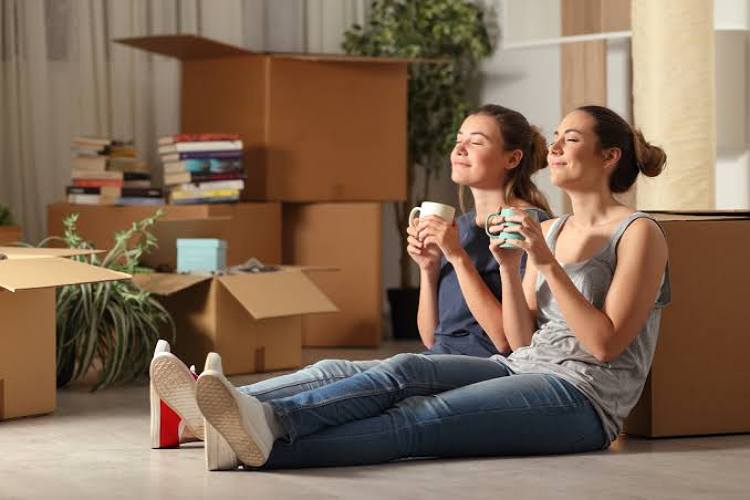
Moving to a new home is often an exciting milestone, but it can also be one of the most stressful experiences people face. Whether relocating across town or moving to a completely new city, the process involves planning, organizing, packing, and adjusting to a different environment. Without preparation, the entire experience can quickly become overwhelming.
This is why learning reliable moving tips can make a significant difference. Simple strategies and thoughtful preparation can save time, reduce stress, and help ensure a smoother transition from one home to another. Understanding why these tips matter and how they help can turn a complicated move into a manageable and even positive experience.
Why Preparation Matters When Moving
One of the most important parts of any move is preparation. People often underestimate how much time and effort is required to sort belongings, pack boxes, arrange transportation, and coordinate schedules. Starting early allows individuals and families to break the process into smaller tasks rather than rushing everything at the last minute.
Preparation also helps prevent common mistakes such as misplaced items, damaged belongings, or forgotten essentials. When moving is approached with a clear plan, it becomes easier to stay organized and avoid unnecessary stress.
Many experienced movers recommend creating a simple checklist before the process begins. This checklist may include tasks such as gathering packing supplies, labeling boxes, notifying utility providers, and updating address information. Following practical moving tips like these helps people stay focused and organized throughout the transition.
Decluttering Before Packing
A move offers the perfect opportunity to evaluate personal belongings. Over time, households accumulate items that are rarely used or no longer needed. Packing everything without sorting through it can make moving more difficult and time-consuming.
Before placing items into boxes, it helps to go through each room and decide what should be kept, donated, recycled, or discarded. This step reduces the number of things that need to be packed and transported, which can save both effort and space.
Decluttering also helps create a fresh start in the new home. Instead of filling the new space with unnecessary items, people can focus on bringing only the belongings that are meaningful or useful.
Among the most valuable moving tips is to sort items early in the process. Doing so allows more time to responsibly donate or recycle unwanted belongings.
Organizing and Labeling Boxes
Packing may seem straightforward, but poor organization can lead to confusion when unpacking later. One of the simplest yet most effective strategies is labeling boxes clearly.
Each box should include the name of the room it belongs to and a short description of the contents. For example, labeling a box “Kitchen – Cooking Tools” or “Bedroom – Winter Clothes” makes it much easier to locate items later.
Another helpful approach is using a color-coding system. Assigning a different color label or marker to each room helps movers quickly identify where boxes should go when unloading.
Good labeling prevents the frustration of searching through multiple boxes just to find one important item. It is one of the practical moving tips that can save hours during the unpacking process.
Packing Essentials Separately
During the first day or two in a new home, many belongings may still be packed away. For this reason, it is helpful to prepare a separate “essentials box” that contains important everyday items.
This box may include things such as personal documents, medications, phone chargers, toiletries, and basic kitchen supplies. Having these items readily available ensures that the first night in the new home is comfortable and organized.
Families with children or pets may also want to include comfort items like favorite toys, snacks, or bedding. Small details like this can make the transition feel smoother for everyone involved.
Among commonly shared moving tips, preparing an essentials box is often mentioned because it prevents unnecessary stress during the first days after moving.
Protecting Fragile and Valuable Items
Another important part of moving is ensuring that delicate belongings remain safe during transportation. Glassware, electronics, artwork, and other fragile items require extra care when packing.
Using protective materials such as bubble wrap, packing paper, or soft cloth can help cushion delicate objects. Placing these items in sturdy boxes and filling empty spaces prevents them from shifting during transport.
It is also wise to label boxes containing fragile items so they can be handled carefully. Keeping valuable documents and small important items with you rather than placing them in moving boxes can add an extra layer of security.
Learning proper packing techniques is one of the most practical moving tips, especially for people who want to avoid damage to their belongings.
Managing Time and Reducing Stress
Moving involves many tasks that must be completed within a limited time frame. Without a clear schedule, it is easy to become overwhelmed. Breaking the moving process into smaller steps can help manage time effectively.
For example, one day can be dedicated to packing books and decorations, while another day focuses on clothing and household items. Tackling one area at a time helps maintain progress without creating unnecessary pressure.
Taking breaks is also important. Moving is physically demanding, and allowing time to rest can prevent exhaustion. Staying hydrated, eating regular meals, and maintaining a steady pace can make the process healthier and more manageable.
Following balanced moving tips that emphasize planning and pacing helps ensure that the entire experience remains organized rather than chaotic.
Adjusting to a New Environment
Once the move is complete, the next stage involves settling into the new environment. This process may take time, especially if the move involves a different neighborhood or city.
Exploring the area, meeting neighbors, and gradually unpacking belongings can help create a sense of familiarity in the new space. Small routines, such as arranging furniture or decorating rooms, contribute to making the house feel like home.
Moving is not only about transporting belongings but also about beginning a new chapter. Approaching the experience with patience and flexibility can help individuals and families adapt more comfortably.
Conclusion
Moving can be both exciting and challenging. The process involves numerous tasks that require organization, planning, and careful handling of belongings. By learning practical moving tips, individuals can approach the experience with greater confidence and efficiency.
From decluttering and labeling boxes to packing essentials and managing time effectively, these strategies help reduce stress and prevent common moving problems. Ultimately, thoughtful preparation allows people to focus on the positive aspects of relocation, including new opportunities and fresh beginnings in a different home.
With the right mindset and well-planned steps, moving does not have to feel overwhelming. Instead, it can become a smoother journey toward a new place to live, grow, and create lasting memories.
