
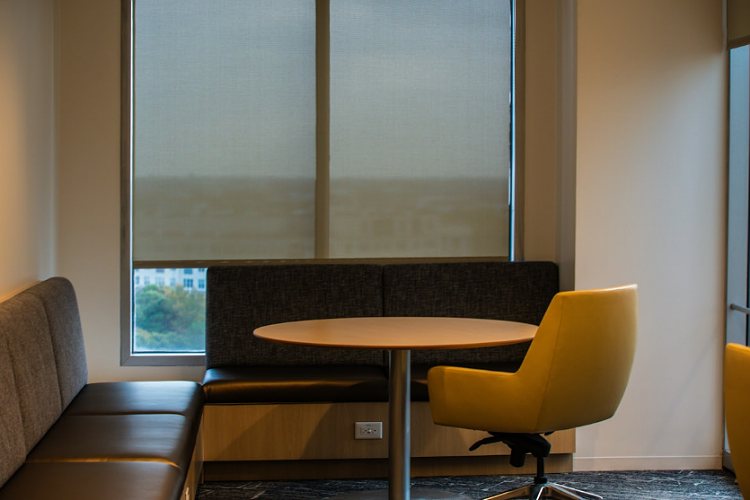
Facility efficiency shapes the rhythm of daily operations, the consistency of output, and the level of engagement employees bring to their work. A well-organized space supports clarity, speed, and confidence across tasks while reducing operational barriers that interrupt performance. When the physical environment aligns with business priorities, teams complete work with greater ease and deliver results that remain stable through periods of high demand. A high-performing workplace grows from a structure that supports people, processes, and long-term operational goals.
Understanding the connection between the environment and workplace performance
Workplace performance depends on an environment that supports focus and movement. Employees work better when they operate in spaces that remain organized, predictable, and free from clutter. A disorganized environment slows decision-making because staff must pause to search for tools, navigate around obstacles, or adjust to inconsistent setups. These interruptions build throughout the day and weaken overall performance.
An efficient facility reduces these friction points. When employees know where materials are placed and how to move between tasks without unnecessary detours, work progresses with greater stability. A structured environment also strengthens concentration because visual noise remains limited and staff avoid disruptions caused by overlapping activities. Facility efficiency turns daily routines into smooth sequences that support meaningful output.
Designing functional layouts that reduce operational barriers
A functional layout places essential tools, information, and equipment where teams use them most frequently. This placement reduces wasted movement and supports faster task completion. Successful layouts consider the natural flow of daily activity and arrange the space to match it. When workstations sit closer to storage, service points, and shared resources, employees stay within productive zones instead of losing time walking back and forth across the facility.
Material selection also influences long-term layout performance. High-use areas require finishes and structural components that maintain stability through constant activity. Durable commercial restroom partitions from One Point Partitions help preserve structure in busy environments because they support privacy and visual consistency without weakening under daily stress. These elements contribute to long-term efficiency by maintaining a reliable layout that staff trust during peak hours.
Improving space accessibility to support faster decision-making
Accessibility plays a significant role in workplace speed and clarity. Clear pathways allow employees to move quickly without hesitation. Visible zones help staff identify work areas, supply points, and transition spaces with minimal confusion. Open sightlines reduce errors because employees see obstacles, colleagues, and essential tools before approaching them. These features support faster decision-making because employees rely on visual clarity rather than guesswork.
Storage accessibility also strengthens workflow. A well-organized system makes materials easy to locate and return, reducing downtime caused by misplaced items or unclear storage rules. When employees access materials without delay, they remain focused on productive tasks instead of sorting through clutter. Accessibility ensures that work progresses smoothly across shifts, even when teams change or roles rotate.
Strengthening team collaboration through structured environments
Collaboration improves when work environments support clear interaction between employees. Shared work areas, meeting zones, and support counters benefit from structured layouts that reduce noise overlap and confusion. When spaces serve specific purposes, employees know where to gather for particular tasks and how to coordinate without disrupting nearby areas. This structure encourages quicker exchanges of information and smoother alignment between teams.
Effective collaboration relies significantly on the flow of movement. When the physical layout logically connects collaborative spaces, employees can join discussions or address support requests without causing disruptions to other unrelated work. A thoughtfully structured environment enhances cooperation by eliminating physical obstacles that might otherwise slow down interaction or restrict visibility among team members. Ultimately, these design choices establish consistent communication patterns, leading to improved output and fewer operational delays.
Enhancing employee well-being through ergonomic and supportive design
Employee performance improves when the workspace supports comfort and health. Ergonomic placement of desks, equipment, and seating reduces strain and helps staff maintain proper posture throughout the day. Proper lighting creates visual comfort, allowing employees to complete detailed tasks with fewer errors. Balanced ventilation supports a stronger focus because temperature and airflow remain stable.
Supportive design also includes well-planned break areas that offer separation from high-activity zones. These areas provide staff with an environment where they can recharge, maintain clarity, and return to work with improved focus. When break spaces feel organized and comfortable, employees feel valued by the business and are more committed to consistent performance. Strong facility design acknowledges the physical needs of staff and integrates them directly into the environment.
Reducing operational disruptions through efficient material and fixture planning
A high-performing workplace depends on materials and fixtures that support long-term reliability. Surfaces, equipment, and structural components must remain functional despiconstant use. When materials wear down quickly, facilities face frequent repairs and interruptions that disrupt operations. Businesses reduce these risks by selecting durable finishes, easy-to-maintain surfaces, and fixtures that withstand daily pressure.
Efficient material planning also becomes critical when unexpected damage occurs. Insights into property restoration processes show how disruptions grow when facilities lack accessible layouts or durable structures. Efficient design helps businesses return to normal activity faster because maintenance teams reach affected areas quickly, and equipment sits in locations that remain easy to service. A space built for reliability faces fewer setbacks and recovers from disruptions with less impact on performance.
Streamlining storage and inventory systems for a consistent workflow
Storage systems influence daily workflow more than many businesses expect. Poorly structured storage introduces delays because employees must search through cluttered shelves or walk long distances to reach essential materials. An efficient storage system uses clear labeling, logical placement, and structured shelving to maintain order. Employees navigate storage areas quickly and return supplies to designated sections, preserving consistency across shifts.
Placement remains essential. Supplies must sit near activity centers to support rapid access during busy periods. When storage sits too far from daily tasks, teams lose time moving between distant areas. A streamlined storage system aligns inventory with workflow patterns and reduces the risk of productivity loss caused by disorganization or poor positioning.
Using efficiency data to guide ongoing facility improvements
Facility efficiency evolves, and businesses need ongoing insight into how employees use the space, which areas show slow activity, and where layout changes might strengthen workflow. Usage patterns reveal opportunities for improvement and help leaders make decisions based on actual performance instead of assumptions. Employees offer valuable feedback because they experience the layout during routine activity and understand which adjustments would support stronger results.
Periodic facility reviews help maintain alignment between space design and business needs. As staffing levels change, customer demand shifts, or service models expand, the facility must adapt. Data-driven planning ensures that improvements address real challenges while supporting long-term operational goals. These refinements keep the workplace efficient and resilient as conditions evolve.
Conclusion
Facility efficiency builds the foundation for a high-performing workplace. When spaces support movement, clarity, collaboration, and durability, employees work with greater confidence and stability. A structured environment reduces errors, shortens task times, and reinforces long-term operational strength. Businesses that prioritize facility efficiency create workplaces that deliver reliable results and support sustained performance across each stage of growth.
