
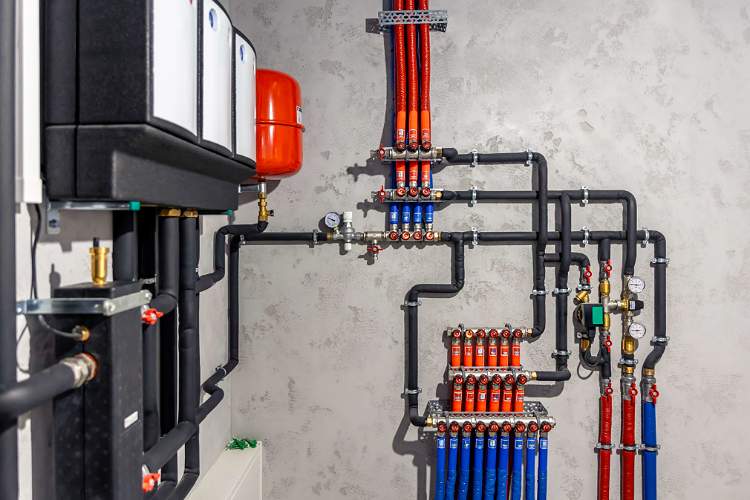
A well-functioning furnace is critical for home comfort, especially during cold months in Frisco, TX. However, many homeowners overlook regular heating maintenance services, assuming their furnace will continue to operate efficiently without intervention. This common mistake can lead to serious furnace failures, costly repairs, and reduced energy efficiency.
In this guide, we will explore the risks of skipping furnace maintenance, common signs of impending failure, preventative measures, and tips for keeping your heating system running smoothly all year long.
Why Regular Furnace Maintenance Is Essential
Furnaces are complex systems combining electrical, mechanical, and gas components. Over time, dust, debris, and wear can compromise efficiency and safety. Regular maintenance helps:
- Identify small issues before they escalate
- Improve energy efficiency and reduce utility bills
- Ensure consistent heating throughout your home
- Prevent safety hazards such as carbon monoxide leaks
Skipping maintenance accelerates wear and can result in unexpected furnace breakdowns, leaving homeowners uncomfortable and facing emergency repairs.
Common Consequences of Skipping Maintenance
1. Reduced Energy Efficiency
Symptoms
- Higher utility bills
- Inconsistent indoor temperature
- Longer furnace runtime
Causes
- Dirty filters restricting airflow
- Dusty blower motors and heat exchangers
- Malfunctioning thermostat
Impact
A neglected furnace consumes more energy to heat your home, resulting in increased costs and unnecessary strain on system components.
- Shortened Furnace Lifespan
Symptoms
- Frequent component failures
- Need for repeated minor repairs
Causes
- Accumulated dust and debris
- Lack of lubrication for moving parts
- Worn-out burners or heat exchangers
Impact
Skipping annual maintenance can reduce a furnace’s life by several years. Preventive care keeps the system running efficiently and delays the need for replacement.
- Increased Risk of Breakdowns
Symptoms
- Furnace stops mid-cycle
- Unusual noises or vibrations
- Cold spots in the home
Causes
- Worn-out components
- Electrical malfunctions
- Clogged vents or dirty filters
Impact
Unexpected breakdowns often occur during peak winter months, causing inconvenience, discomfort, and emergency repair costs.
- Safety Hazards
Symptoms
- Strange odors or burning smells
- Carbon monoxide alarms triggered
- Pilot light or ignition issues
Causes
- Gas leaks or faulty burners
- Cracked heat exchangers
- Improper venting or airflow restrictions
Impact
Neglecting furnace maintenance increases the risk of fire hazards or carbon monoxide poisoning, putting your household at serious risk.
- Poor Indoor Air Quality
Symptoms
- Dust accumulation
- Allergies or respiratory irritation
- Unpleasant odors from vents
Causes
- Dirty air filters
- Dusty ductwork and blower components
- Mold or bacteria growth in humidifiers
Impact
Skipping maintenance allows debris to circulate throughout your home, reducing comfort and potentially impacting health.
- Loud or Strange Noises
Symptoms
- Grinding, squealing, rattling, or popping sounds
- Increasing noise levels over time
Causes
- Worn blower motors or belts
- Loose panels or components
- Ignition or gas valve issues
Impact
Noises are often early indicators of mechanical failure. Ignoring them can result in major furnace malfunctions that require costly repair or replacement.
- Thermostat and Control Failures
Symptoms
- Inaccurate temperature readings
- Furnace short-cycling or running continuously
- Unresponsive thermostat
Causes
- Electrical issues in control boards
- Dirty sensors or wiring corrosion
- Lack of calibration
Impact
Malfunctioning controls reduce heating efficiency and cause unnecessary wear on system components, potentially leading to full furnace failure.
- Frozen or Clogged Components
Symptoms
- Furnace shuts down unexpectedly
- Ice buildup in vents or heat exchanger
- Reduced airflow
Causes
- Blocked vents and ductwork
- Dirty air filters
- Poor airflow and ventilation
Impact
Clogged components can overheat the system, cause shutdowns, or damage critical parts like the blower motor or heat exchanger.
- Corrosion and Rust
Symptoms
- Water or condensation leaks
- Rust stains on the furnace exterior
- Reduced heating efficiency
Causes
- Moisture accumulation
- Lack of inspection and cleaning
- Age-related wear
Impact
Rust weakens the structural integrity of the furnace, often leading to irreparable damage and necessitating replacement.
- Increased Repair Costs
Symptoms
- Repeated service calls
- Frequent replacement of minor parts
Causes
- Neglecting annual inspections
- Allowing small issues to escalate
Impact
Regular maintenance reduces the frequency and cost of repairs. Skipping service can lead to significant repair bills or even early replacement.
How Preventive Maintenance Prevents Furnace Failure
1. Annual Furnace Inspection
A licensed technician checks all components, cleans the system, and identifies potential problems before they escalate.
2. Filter Replacement
Replacing air filters every 30–90 days ensures optimal airflow and prevents overheating.
3. Lubrication of Moving Parts
Blower motors, belts, and fans should be lubricated to reduce friction and wear.
4. Thermostat Calibration
Ensures accurate temperature readings and prevents short-cycling.
5. Cleaning and Flushing
Removing dust, dirt, and debris from vents, burners, and heat exchangers improves efficiency.
6. Safety Inspections
Check gas connections, carbon monoxide detectors, and venting to prevent hazards.
7. Ductwork Maintenance
Seal leaks and clean ducts to improve airflow and indoor air quality.
Tips for Homeowners
- Schedule professional heating maintenance services before winter begins.
- Monitor your furnace for unusual noises, smells, or uneven heating.
- Don’t ignore repeated small repairs; they may indicate a larger problem.
- Consider energy-efficient upgrades during maintenance for long-term savings.
Preventive care ensures a reliable, safe, and efficient heating system, while skipping maintenance increases the likelihood of unexpected failure.
Conclusion
Skipping furnace maintenance may seem convenient, but it significantly increases the risk of breakdowns, costly repairs, safety hazards, and reduced system lifespan. Homeowners in Frisco, TX, benefit from regular inspections, cleaning, and professional service to ensure reliable and efficient heating. For residents seeking trusted expertise, companies like Woods Comfort Systems provide comprehensive heating maintenance services, ensuring furnaces operate safely and efficiently throughout the year.
