
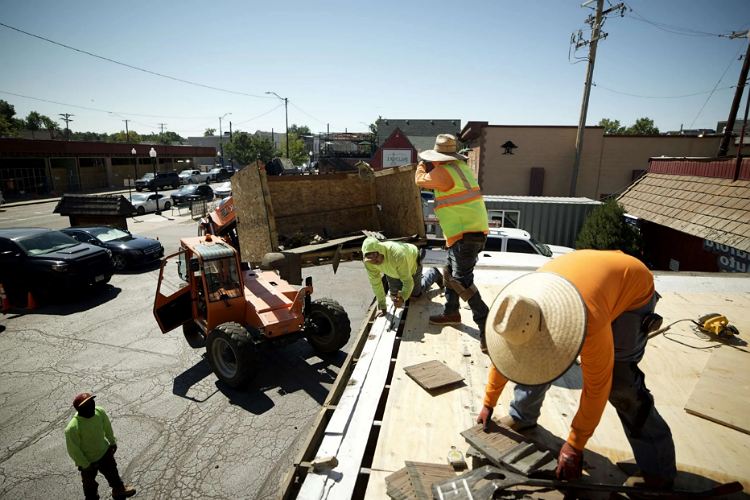
Undertaking a residential renovation is a major milestone for any homeowner. Whether the goal is to modernise an outdated kitchen, open up a cramped living room layout, or perform a complete structural overhaul of an older property, the process represents a significant investment of time, emotion, and financial resources. A successful renovation does not merely improve the visual appeal of a house; it enhances the daily comfort of its inhabitants, optimises energy efficiency, and substantially increases the market value of the property. However, many people focus solely on the final stages of the transformation, such as selecting premium countertops, installing elegant flooring, or choosing the perfect paint colours. In doing so, they often overlook the critical initial phases that make those beautiful finishes possible. A durable, high-quality renovation is only as good as the preparation that precedes it, and this preparation begins with stripping away the old to make way for the new.
In the world of professional construction, the renovation process is a sequence of carefully planned events. Before new structural framing can be erected, before modern electrical wiring can be routed, and before new plumbing lines can be laid, the existing, outdated elements of the property must be removed. This initial phase is where many homeowners make their first major mistake by treating the removal process as a simple, crude task of destruction. The popular media often portrays demolition as a chaotic, high-energy event where walls are smashed with sledgehammers without much thought. In reality, modern building standards and safety protocols require a highly calculated, systematic approach known as dismantling works to prepare a site correctly for reconstruction.
Unlike blunt demolition, which focuses on tearing down structures as quickly as possible with little regard for what lies beneath, professional dismantling is a controlled, surgical process. It involves the methodical removal of specific materials, fixtures, partition walls, and old utility lines while actively preserving the surrounding structural elements. The primary goal of controlled dismantling is to establish a clean, safe, and structurally sound starting point for the rebuilding team. When executed correctly, this phase minimises the risk of accidental damage to the home’s vital infrastructure, protects the health of the workers and residents, and ensures that the entire renovation project proceeds on a level, stable foundation.
The Structural and Safety Risks of Improper Demolition
The structural integrity of a building is a delicate balance of forces, and modifying any part of a house requires a deep understanding of physics and construction engineering. One of the greatest dangers of amateur or uncontrolled demolition is the accidental compromise of load-bearing walls. In many homes, especially older ones, partition walls that appear cosmetic may actually be supporting a portion of the floor or roof above them. Removing such a wall without installing temporary structural supports, like steel I-beams or heavy-duty jacks, can lead to immediate sagging, cracked plaster in upper rooms, or even a catastrophic partial collapse of the building. Professional dismantling teams are trained to identify these load-bearing elements and work around them safely, ensuring that the structural skeleton of your home remains perfectly stable throughout the entire renovation.
Beyond the structural risks, the interior walls and floors of a home house a complex network of active utility lines. Behind the drywall and plaster lie high-voltage electrical cables, pressurised water pipes, gas lines, and HVAC ductwork. Blindly smashing through a wall with heavy tools can easily rupture a water line, causing instant flooding and severe moisture damage to dry areas of the home. Even worse, striking an active electrical conduit can result in severe electrical shocks to workers or create hidden fire hazards that may spark days after the demolition is complete. Professional dismantling technicians utilise specialised detection equipment to map out these hidden utilities before any physical work begins, allowing them to isolate and shut off the necessary systems and safely reroute them without disrupting the rest of the household.
Furthermore, older residential properties often contain hazardous materials that were commonly used in construction decades ago. Materials such as lead-based paint, old plaster, and various forms of asbestos insulation pose severe health risks if they are disturbed and become airborne. When these materials are smashed and pulverised during blunt demolition, they release microscopic toxic fibres and dust particles into the air. These particles can easily travel through the home’s ventilation system, contaminating living areas and posing long-term respiratory health risks to your family. Certified dismantling experts follow strict hazardous material containment protocols. They seal off the work zone with heavy-duty plastic barriers, use industrial negative-pressure air filtration systems, and wear specialised protective equipment to ensure that all toxic debris is safely contained, removed, and disposed of according to strict environmental regulations.
Efficiency, Waste Management, and Environmental Responsibility
Another significant advantage of choosing professional dismantling services over crude demolition is the level of organisation and efficiency it brings to the job site. When a site is dismantled systematically, materials are sorted at the source rather than being thrown into a giant, mixed pile of waste. Wood, metal, concrete, glass, and old appliances are separated as they are removed. This organised approach prevents the workspace from becoming cluttered with dangerous piles of debris, which can cause trips, slips, and falls for the workers on site. A clean, organised workspace allows subsequent trades – such as framers, plumbers, and electricians – to begin their work immediately without having to spend hours clearing away leftover rubble.
This methodical sorting of materials also has a profound positive impact on the environment. The construction and demolition industry is one of the largest contributors to landfill waste worldwide. However, a vast majority of the materials removed during a renovation can actually be recycled, repurposed, or salvaged. Professional dismantling companies work closely with local recycling facilities and salvage yards to ensure that reusable wood, metals, and concrete are kept out of landfills. Valuable architectural features, such as old hardwood flooring, vintage doors, or antique light fixtures, can often be carefully uninstalled during the dismantling phase and preserved for reuse, either in the new design or by selling them to other restorers. This eco-friendly approach reduces the overall carbon footprint of your renovation project and promotes a circular economy within the construction industry.
Setting the Stage for Flawless Finishing Work
The quality of the final finishing work in a renovated space is directly dependent on the quality of the preparation. If the dismantling phase is done poorly, it leaves behind uneven subfloors, crooked wall studs, and residual debris that will plague the construction team during the installation of new materials. For example, if old adhesive or underlayment is not thoroughly removed from a concrete subfloor, the new hardwood or tile flooring installed on top of it will eventually squeak, warp, or crack under foot traffic. Similarly, if old plaster and lath are not stripped cleanly from the framing, the new drywall panels will not sit flush, resulting in visibly uneven walls that are incredibly difficult to paint or furnish.
By investing in professional, detailed dismantling, you ensure that every surface is stripped down to its clean, original structural elements. This allows the carpentry team to install new wall framing that is perfectly plumb and level, which in turn ensures that drywall, cabinetry, and interior doors can be installed with absolute precision. When your walls are perfectly straight and your floors are perfectly flat, the final finishes will look flawless, and the structural integrity of your home will be protected for decades to come.
Conclusion
A home renovation is a journey of transformation that holds the promise of a more beautiful, comfortable, and valuable living space. While it is easy to get caught up in the exciting decisions of the design and building phases, it is vital to remember that the success of the entire project rests on how well the old structures are prepared. Professional dismantling works represent the crucial bridge between the old home and the new, providing a safe, clean, and structurally sound foundation for all subsequent renovation services. By prioritising controlled preparation and partnering with certified specialists who understand building physics, safety codes, and environmental responsibility, you protect your financial investment and ensure that your remodelling journey is completed with total peace of mind.
“At CBS Renovation, we believe successful renovation starts with trust, clear communication, and quality execution. Every project is approached with careful planning, skilled craftsmanship, and respect for our clients’ space and timelines. Our goal is to deliver renovation solutions that are not only visually appealing, but built to last and add real value to each property.”
Director, CBS Renovation
