
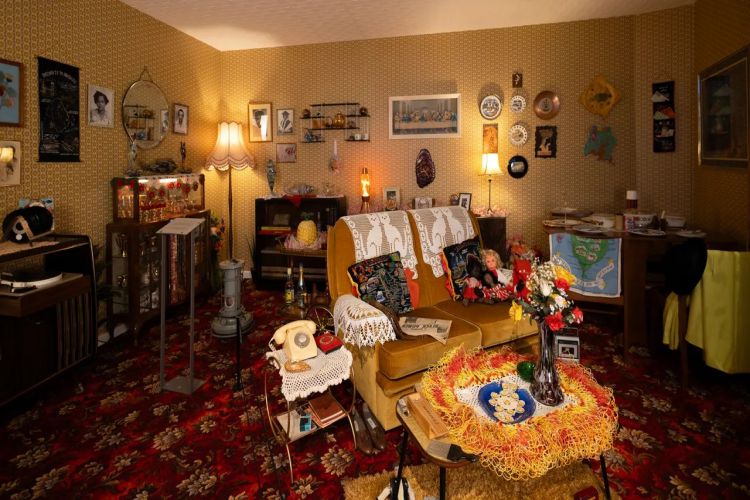
There are things in every home that you can’t replace with a receipt. Perhaps a grandmother could only afford a chipped dish. A framed print can start a marriage. Musical instruments, hand-made furniture, ancient photographs and children’s creations tell stories that ordinary packing labels can’t explain. It takes more than power to move these objects; it takes awareness, temperance and a sense that significance is personal.
The secret is not to treat every possession as being equally vulnerable. This is a waste of material and of attention span. Instead, families can identify the items that would cause real distress if lost or damaged and then build protection around their particular vulnerabilities. Glass needs to be impact resistant, timber needs to be protected from abrasion and moisture, electronics need to be held in place and artwork needs to have non-transferring ink or texture.
Make a Collection List, Not Just a Box Count
When looking for the best removalists melbourne, owners of fragile or emotional things should ask about how odd goods will be appraised, wrapped, carried and secured. A good plan may involve specialized containers, corner guards, padded coverings, separate handling notes or a special location within the vehicle. The answer should describe the technique, not simply offer a vague reassurance that all will be well.
You can include pictures, dimensions and any known weak points in a short collection list. Maybe a table has a wobbly leg, a mirror has an antique frame, or a sculpture needs to stay upright. Recording these facts allows everyone to treat the object consistently. It is also easier to inspect every item when it arrives at the new address.
Choose the Correct Materials
Newspaper is convenient, but ink can stain pale surfaces. “Adhesive tape can remove finishes or leave a residue. Plastic wrap will protect against moisture but can trap condensation around some things if left on too long. Thoughtful packing means clean paper, bubble cushioning, sturdy cartons, moving blankets and breathable layers appropriate to the object, rather than using one material for everything.
Another danger is empty space. A carton with a delicate item inside might pick up speed every time the carton spins. Pack the gaps tightly enough to prevent movement, but don’t pack them so that pressure is put on sensitive portions. You can put lighter items in larger boxes and heavy stuff in smaller containers. This makes every load safer to move and easier to stack.
Design the Journey with Delicate Parts
How an item is wrapped is just as important as where it sits in the truck. Place delicate cartons where they will not be crushed by heavy furniture or things that can move. You may need straps for tall things; mattresses can serve as barriers and artwork should be kept upright if its construction needs it. And the route matters—expect rather than discover at speed sudden braking, steep driveways and rough access points.
“On arrival, fragile items should be moved to a designated quiet area. This protects them from being placed in busy halls together with other furniture still arriving. Then someone can inspect the package and the condition before the item is fully unpacked.
Let Memory Come Whole
A museum protects objects because they mean more than their materials. Without getting too formal, the same principle can be applied to a home move. The goal is to determine what has to be further thought about. State that clearly and apply an approach appropriate to the structure of the object.
When treasured objects arrive safely at the new house, they do more than fill a space. They make a continuity. Familiar photos, instruments, and furnishings help make a strange address feel inhabited. Careful movement maintains that bridge between places so a family can begin a new chapter without leaving its most important stories behind.
