
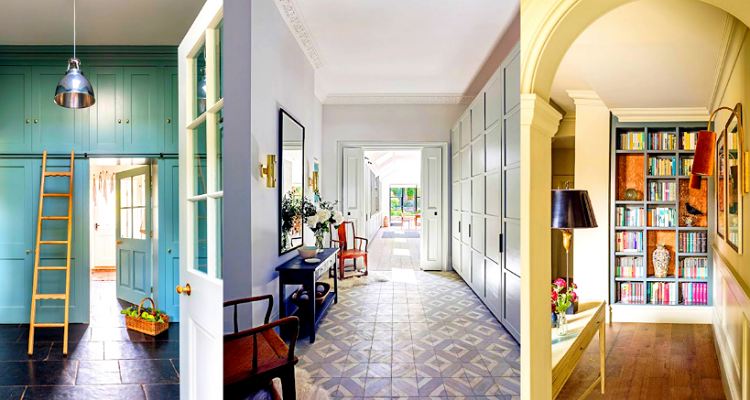
The entrance is one of the hardest-working parts of any property. It has to guide people in, create a first impression, cope with daily traffic and support security. In renovation projects, it is often tempting to focus on larger rooms first, but a poor entrance can undermine the rest of the work. A clear and welcoming arrival point makes the whole property feel more organised.
Good entrance design is a mixture of appearance and function. The materials need to be durable, the route needs to be obvious and the details should match the character of the building. Whether the property is a family home, office, clinic or small retail unit, the entrance should answer simple questions quickly: where do I go, what do I do and does this place feel well-managed?
For homes, offices and commercial premises where the entrance sets the tone, the renovation brief should be written around how the property will be used after the work is complete. Property owners planning entrance upgrades should consider arrival, circulation, maintenance, visitor comfort and long-term presentation before committing to products or finishes. This approach helps avoid upgrades that look good in isolation but do not solve the practical problems of the building.
External surfacing is central to that impression. Where the entrance connects to a garden, terrace or raised approach, composite decking can be used to create a clean transition and define the arrival area more clearly. It can help avoid the patched-together look that sometimes appears when old paving, gravel and timber are mixed without a plan. This also provides a natural reference point for wider decking plans across the property.
Once inside, visitor facilities should continue the same level of care. In commercial or public-facing buildings, washrooms can strongly affect how people judge the property. Simple improvements such as better lighting, cleaner surfaces and reliable hand dryers can make the space feel more professional and easier to maintain.
The visual language at the door is equally important. Traditional signage can be particularly effective for period buildings, independent businesses and homes with named entrances. It gives the arrival point a sense of permanence and can complement brick, stone, timber or metal details without looking temporary.
For busier entrances, digital signage can add flexibility. It can show opening times, reception instructions, visitor guidance or current notices, allowing the information to change without cluttering the area with posters. The key is to use it as part of the entrance design rather than as a screen added without thought.
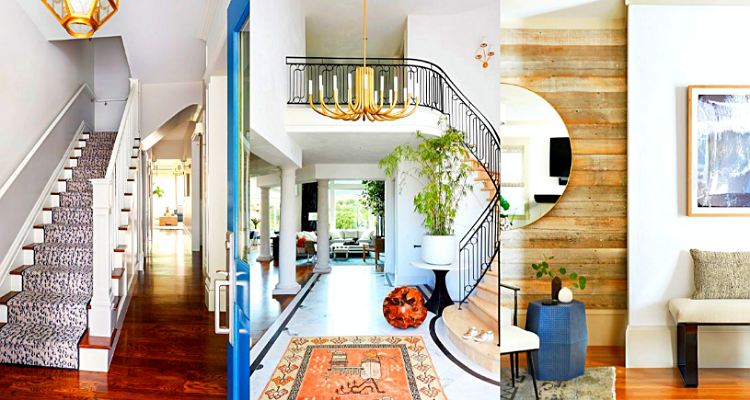 The route to the door should be reviewed first. Uneven surfaces, unclear paths, poor drainage and awkward changes in level can all make an entrance feel less safe. These problems may seem minor in dry weather, but they become much more noticeable during rain, winter evenings or busy periods.
Lighting should be layered. A bright security light alone can feel harsh, while purely decorative lighting may not provide enough visibility. A balanced scheme should make the doorway, step edges, signage and access controls easy to see.
Materials should suit the level of traffic. A private side entrance may need a different specification from a main office doorway. Durable thresholds, easy-to-clean flooring and robust wall finishes help prevent the entrance from looking worn too quickly.
Storage and clutter control are often overlooked. Parcels, umbrellas, shoes, bins, cleaning equipment or promotional displays can quickly make an entrance feel messy. Built-in storage, clear zones and simple rules about what belongs near the door can preserve the effect of the renovation.
Security features should be integrated neatly. Intercoms, access panels, cameras and letterboxes are practical necessities, but they should not feel randomly positioned. Aligning them with other details can make the entrance look calmer and more deliberate.
Budget control is easier when each improvement has a clear purpose. Some items will be about first impressions, some will reduce maintenance, and others will improve safety or comfort. Setting those priorities early helps prevent the project from becoming a list of unrelated purchases. It also makes it easier to explain why certain details are worth protecting if costs need to be reviewed.
Another useful exercise is to separate permanent decisions from changeable ones. Structure, drainage, services, access routes and primary surfaces are difficult to alter later, so they deserve more careful planning. Furniture, displays, loose planters, notice content and decorative accessories can be adjusted more easily as the property settles into use. This distinction helps owners spend money where it will have the longest effect, while still leaving room for the space to evolve.
The finishing schedule should include small but important items such as trims, thresholds, cleaning access, cable routes, fixing points and replacement planning. These details are rarely the focus of the design conversation, but they often decide whether the finished property feels properly resolved. When they are left until the end, they can look improvised.
Communication between everyone involved is also important. Designers, contractors, owners, facilities teams and regular users may all notice different risks. A contractor may raise installation constraints, while a facilities manager may spot cleaning or maintenance issues. Bringing those views together before final decisions are made usually leads to a more practical result and reduces the chance of expensive adjustments after completion.
A short review after the works are complete can also be valuable. Owners can check whether the new layout is being used as expected, whether any surfaces are wearing faster than planned, and whether visitors or occupiers are still asking the same questions. This feedback does not have to lead to major changes, but it can highlight small adjustments that make the renovation perform better in real life.
Seasonal performance should be reviewed as well. A property can feel successful on a dry installation day but behave differently during heavy rain, darker evenings, busy trading periods or school holidays. Thinking about those conditions helps ensure the renovation remains useful throughout the year rather than only working in ideal circumstances, which is often where the real value of careful planning becomes obvious.
It is also important to think about how the space will be managed after completion. If a product needs regular cleaning, someone has to be responsible for it. If information changes, someone has to update it. If an outdoor space is added, it must be clear how it will be used and maintained. A renovation is more successful when the operational plan is considered alongside the visual result.
A successful entrance gives people confidence before they enter the main space. By combining clear routes, durable surfaces, appropriate signage, good lighting and practical visitor facilities, property owners can create an arrival point that feels safe, polished and easy to use.
