
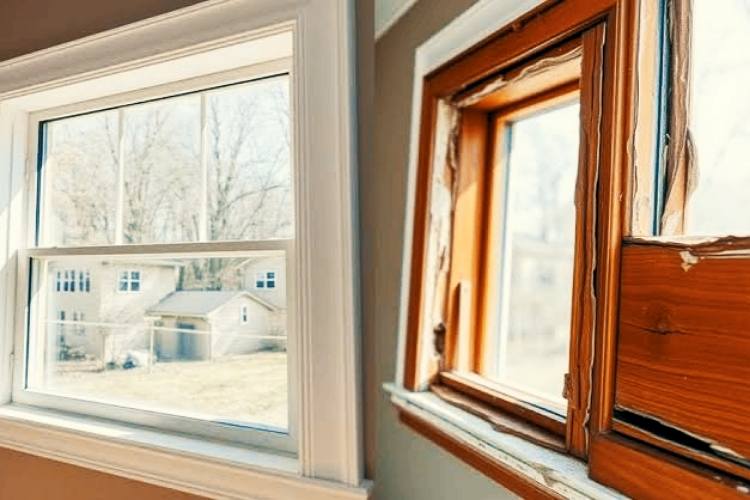
Your home’s windows play a crucial role in comfort, energy efficiency, security, and curb appeal. However, like any part of your house, windows don’t last forever. Over time, wear and tear can affect their performance, leading to higher energy bills and reduced comfort. Recognizing the signs that it’s time to replace your windows can help you avoid costly repairs and improve your home’s overall value.
One of the most common indicators that your windows need replacement is drafts and air leaks. Your windows might no longer be an effective seal if you detect warm air seeping in during the summer or cold air entering your house during the winter. These leaks force your HVAC system to work harder, resulting in increased energy consumption and utility costs. Modern, energy-efficient windows can greatly increase comfort and insulation. Know more about modern windows and doors; visit here: pella.com/locations/in/lafayette.
Another sign to watch for is difficulty opening or closing your windows. Windows should operate smoothly and securely. If they stick, jam, or refuse to stay open, the frames may have warped due to age, moisture damage, or structural settling. Faulty operation can also become a safety concern during emergencies when quick access is necessary.
Condensation between glass panes is another clear indication that replacement may be needed. Double- and triple-pane windows rely on insulated glass units to maintain efficiency. When the seal between panes fails, moisture becomes trapped inside, creating foggy glass that cannot be cleaned from either side. This not only affects visibility but also reduces the insulating properties of the window.
Visible damage such as cracked glass, rotting frames, or water damage should never be ignored. Wood frames are particularly vulnerable to moisture and may begin to rot over time. Damaged windows can allow water infiltration, leading to mold growth, structural issues, and expensive repairs. Replacing compromised windows can protect your home from further damage.
Many homeowners also replace windows due to rising energy bills. Older windows often lack today’s advanced energy-saving technologies, such as Low-E glass coatings, insulated frames, and multiple panes. If your heating and cooling costs continue to increase despite regular HVAC maintenance, outdated windows may be contributing to the problem. Modern replacement windows are designed to improve energy performance and help lower monthly utility expenses.
Excessive outside noise entering your home may also signal that your windows are no longer performing effectively. Newer window systems offer enhanced sound reduction, creating a quieter and more comfortable indoor environment, especially for homes located near busy streets or commercial areas.
Finally, many homeowners choose window replacement to improve their property’s appearance and resale value. New windows can instantly refresh your home’s exterior and interior while boosting market appeal. Whether you’re planning to sell or simply want to enhance your living space, investing in replacement windows can deliver long-term benefits.
If you’ve noticed any of these warning signs, it may be time to explore professional window replacement options. The right replacement windows can improve comfort, energy efficiency, and the overall beauty of your home for years to come.
