
As homeowners look for more efficient and flexible ways to heat and cool their homes, ductless mini-split systems have become an increasingly popular choice. These innovative HVAC systems offer a range of benefits that make them attractive for both new construction and existing homes. From improved energy efficiency to personalized comfort, it’s easy to see why more homeowners are considering mini split installation as a smart investment for their property.
One of the biggest advantages of ductless mini-split systems is their energy efficiency. Traditional HVAC systems rely on ductwork to distribute conditioned air throughout the home. Over time, ducts can develop leaks that allow heated or cooled air to escape, resulting in wasted energy and higher utility bills. A mini split installation eliminates this issue by delivering air directly into individual rooms or zones, helping homeowners maximize efficiency and reduce energy consumption.
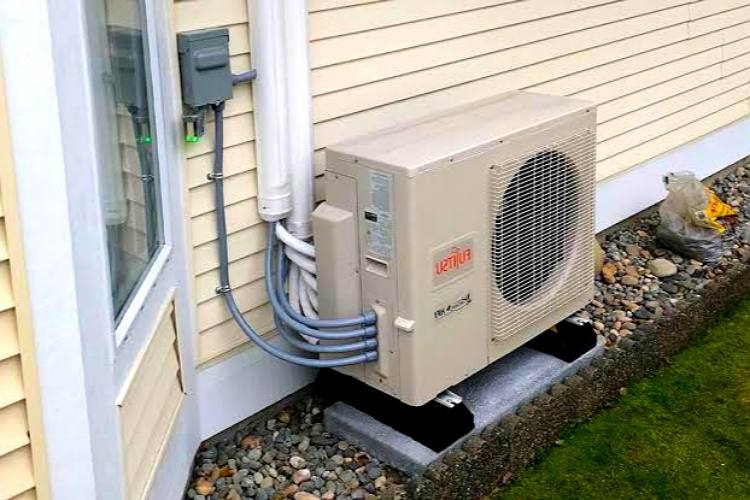
Another reason homeowners are choosing mini-splits is their flexibility. Unlike traditional systems that require extensive ductwork, mini-split systems consist of an outdoor unit connected to one or more indoor air handlers. This design allows them to be installed in a variety of spaces, including older homes, room additions, garages, sunrooms, home offices, and converted attics. For homes where adding ductwork would be difficult or expensive, mini split installation provides a practical and cost-effective alternative.
Personalized comfort is another major benefit. Mini-split systems allow homeowners to create separate temperature zones throughout the house. Each indoor unit can be controlled independently, enabling family members to set temperatures based on their preferences. This zoning capability helps eliminate common comfort issues, such as one room being too hot while another is too cold. With a properly planned mini split installation, homeowners can enjoy consistent comfort in every area of the home.
Many homeowners also appreciate the quiet operation of mini-split systems. Traditional HVAC equipment can produce noticeable noise when running, especially when ductwork amplifies airflow sounds. Mini-splits are designed to operate quietly, making them ideal for bedrooms, offices, nurseries, and other spaces where noise reduction is important.
Indoor air quality is another factor driving the popularity of ductless systems. Since mini-splits do not use ductwork, they avoid many of the dust, debris, and allergens that can accumulate inside traditional ducts. Many models also include advanced filtration systems that help improve indoor air quality by capturing airborne particles. As a result, homeowners may enjoy a cleaner and healthier living environment following a mini split installation.
In addition to efficiency and comfort, mini-split systems can help reduce long-term operating costs. While the initial installation cost may be higher than some conventional options, the energy savings often offset the investment over time. Many homeowners find that lower utility bills and reduced maintenance requirements make mini-splits a financially sound choice.
As energy costs continue to rise and homeowners seek more customizable comfort solutions, ductless systems are becoming a preferred HVAC option. Whether upgrading an existing home, adding living space, or improving energy efficiency, a professional mini split installation offers numerous benefits. With flexible installation options, quiet operation, enhanced comfort, and impressive energy savings, it’s no surprise that more homeowners are choosing ductless mini-split systems for their heating and cooling needs.
